Bathroom Paint
Bathroom paint comes down to steam, condensation, and how hard the finish needs to work. If the walls are sound and you just need a wipeable finish, standard bathroom paint is usually enough. If the room stays damp or gets poor ventilation, mould resistant paint is the one to reach for. Trade bathroom paint with a quicker recoat can save time, but you lose a bit of working time on patchy walls.
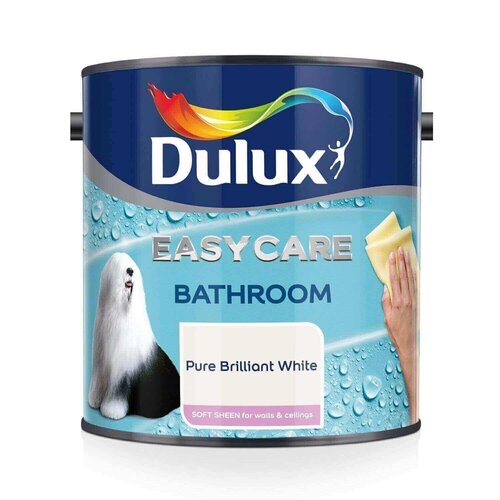
Dulux Easycare Bath Soft Sheen - 2.5L Brilliant White
Soft sheen brilliant white bathroom paint with 5-year mould protection
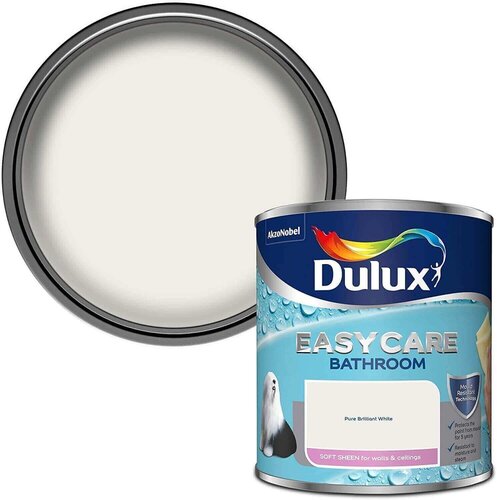
Dulux Easycare Bath Soft Sheen B - 1L White
Dulux Easycare bathroom paint in soft sheen white, 1 litre
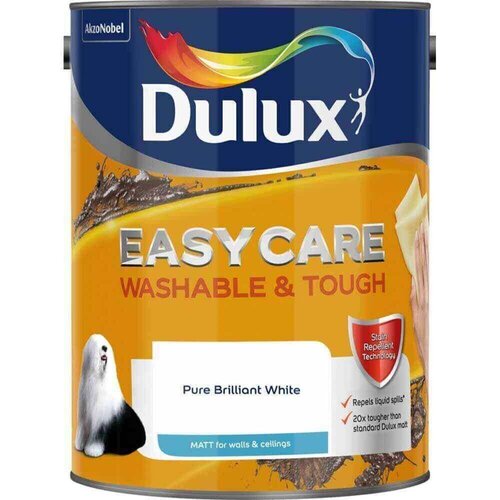
Dulux Easycare W&T Matt - 5L Brilliant White
Durable matt bathroom paint for walls and trim, 5L Brilliant White
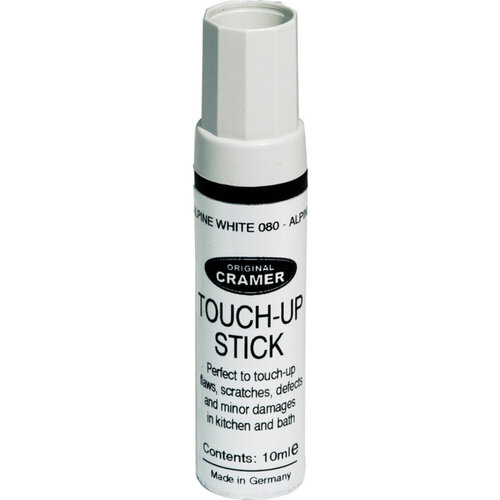
Cramer Kitchen & Bath Touch Up Stick - 10ml
10ml touch-up stick to repair scratches and flaws in kitchens and bathrooms
Dulux Easycare Bathroom Soft Sheen Colour Mixing - 2.5L
Dulux Easycare Bathroom soft sheen paint in 2.5L tinted colour
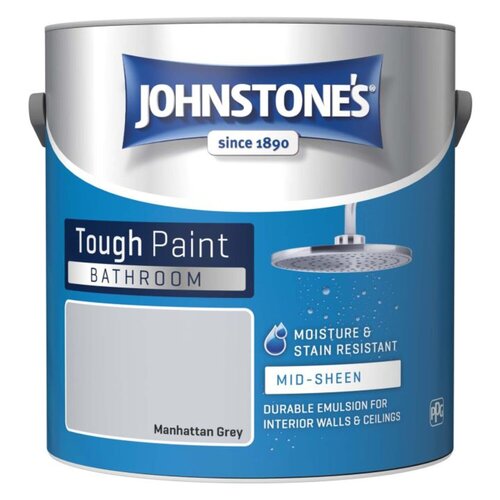
Johnstone's Bathroom Mid Sheen Emulsion - 2.5L Manhattan Grey
Manhattan Grey bathroom emulsion with a moisture-resistant mid sheen finish
Dulux Easycare Bathroom Soft Sheen Colour Mixing - 1L
Dulux Easycare Bathroom soft sheen paint in 1L tinted colour
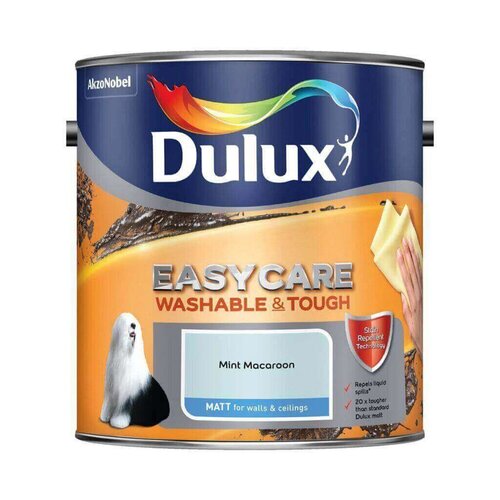
Dulux Easycare W&T Matt - 2.5L Mint Macaroon
2.5L Mint Macaroon bathroom paint for walls and trim
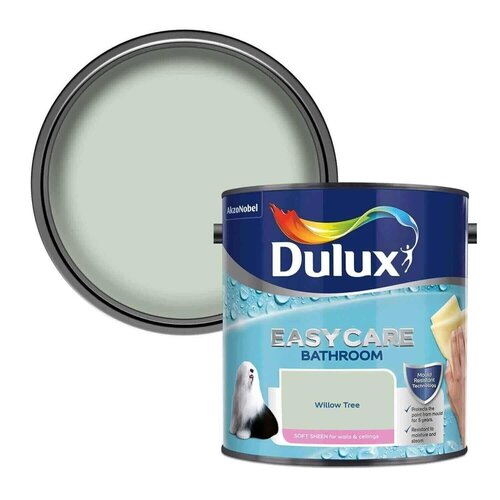
Dulux Easycare Bath Soft Sheen - 2.5L Willow Tree
Mould resistant bathroom paint with soft sheen finish in Willow Tree, 2.5L
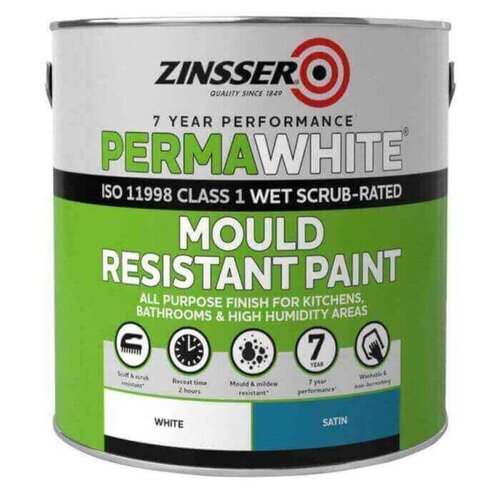
Zinsser Perma-White Mould Resistant Interior Paint Satin - 5L
Mould resistant satin paint for high-humidity interiors, 5L.
For the Trade
Start with how hard the room works, then decide how much resistance you need. On a busy bathroom, trade bathroom paint with a tougher, wipeable finish usually makes more sense than a basic interior option. Splashes and regular cleaning are what bring the call-backs. If condensation is the main issue, mould resistant paint is the one people ask for. You still need the rest of the system right, or it won’t earn its keep. White is still the common spec because touch-ins show less patchy, but bathroom paint white isn’t the only route if the job calls for colour.
Types of Bathroom Paint
Bathroom emulsion is the plain option when the spec is straightforward and you do not need extra resistance. Moisture resistant bathroom paint suits rooms where steam and condensation are part of the job.
If the walls need regular wiping, washable bathroom paint or wipeable bathroom paint gives you more tolerance without moving into a heavier coating. Mould resistant bathroom paint is the better call where staining keeps coming back, though you are paying for that extra protection rather than a different finish.
Trade bathroom paint usually sits in the middle. You get enough durability for regular use, without over-specifying the room. If you are comparing the wider range, Interior Paint & Surface Preparation is the hub to step back to.
Selection Factors for Bathroom Paint
The real call is the substrate and how quickly you need to turn it round. New plaster pulls paint differently to a previously painted wall, so coverage and recoat time only mean much once you know what you’re going over.
Bare or repaired areas usually need more attention than sound painted surfaces. That’s where a Drop Cloth or Dust Sheets & Carpet Protectors earns its keep. The job stays cleaner, and you’re not chasing marks after the finish is on.
If the room’s already painted and the surface is sound, you can usually work to the product’s normal spread and recoat figures. On fresh or patchy substrate, expect those numbers to move.
Finish the Room
Once you’ve picked the bathroom paint, the next call is what the surface needs before it goes on. On sound, previously painted walls, you’re usually checking adhesion and clearing off residue. On patchy or repaired areas, a primer or undercoat can stop the finish looking uneven and save you a second pass.
Don’t skip the prep kit either. A missed bit of dust or grease will show through in a room that gets steam every day. Keep the right rollers, brushes and masking to hand so you’re not fighting the finish at the end.
Related searches
Local availability for Bathroom Paint