Floor Sockets & Boxes
Floor sockets usually come down to two things: how much traffic the area sees, and whether you need a recessed lid that sits out of the way or a simpler floor box for a straightforward power point. In busy commercial spaces, the lid and body take more punishment than people expect, so a flimsy unit gets noticed quickly. If you need to keep the floor line clean, recessed floor sockets are the usual choice. If access and cost matter more than appearance, a basic floor box is the better shout.
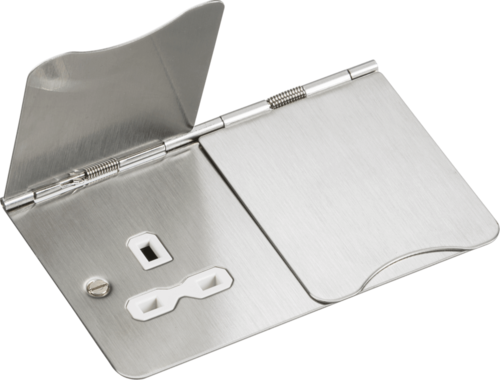
Knightsbridge Floor Socket - 2 Gang 13A
2-gang 13A unswitched floor socket with white insert flat plate
Knightsbridge 2G Floor Socket 13A PB
13A 2-gang unswitched floor socket with white insert, flat plate design.
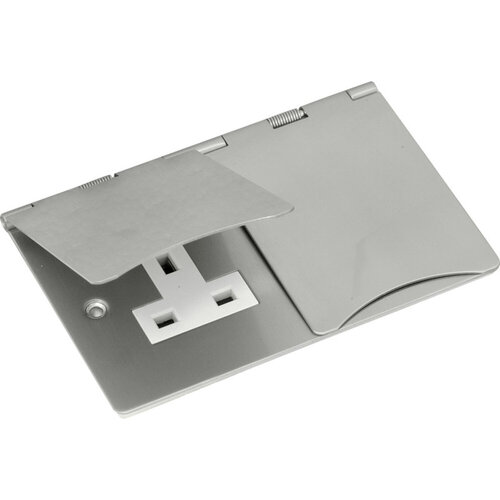
Floor Socket Twin - Satin Chrome
Satin chrome flat twin 13A floor socket
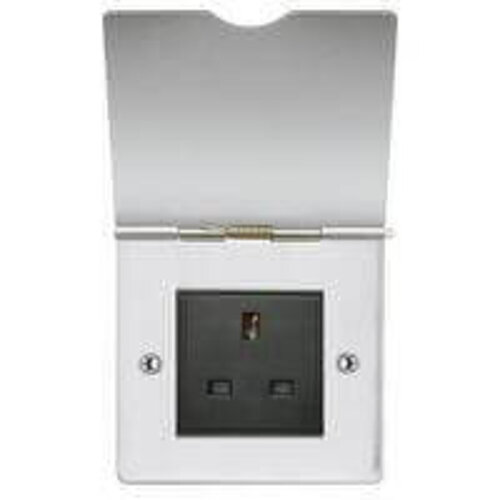
Niglon 1 Gang Unswitched Floor Socket
Unswitched 1 gang floor socket
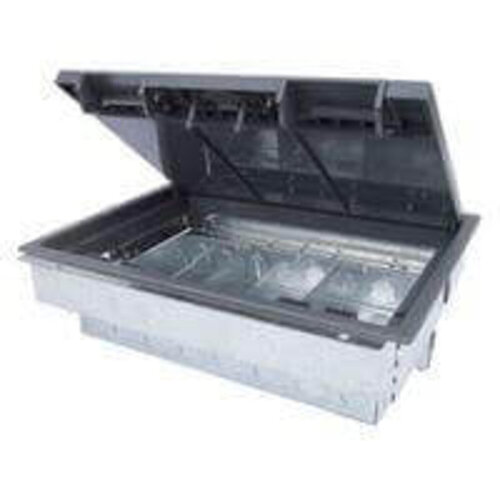
Tass Cable Management 3 Compartment Cavity Floor Box - 303mm x 321mm
Galvanised steel 3-compartment floor box for carpeted floors
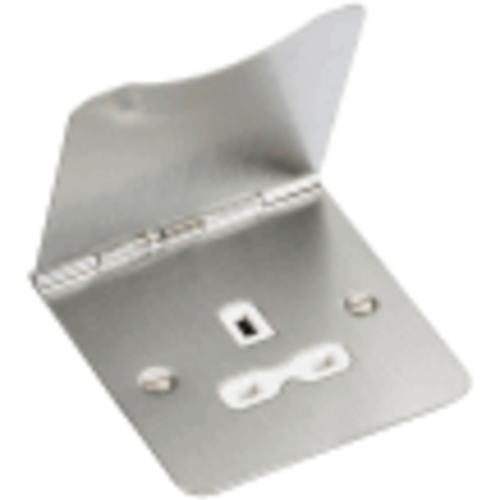
Knightsbridge 1G Floor Socket 13A
1 gang unswitched 13A floor socket with white insert and flat plate
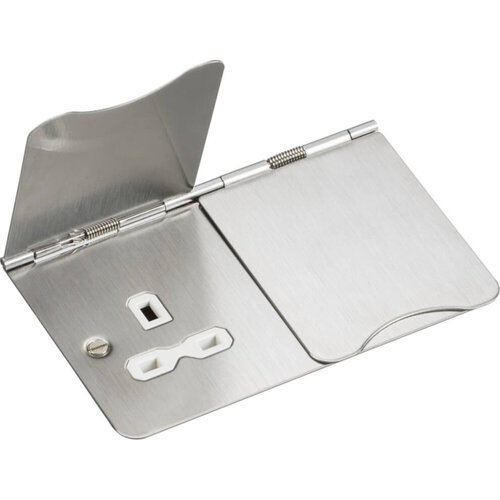
Knightsbridge 13A 2G Unswitched Floor Socket - Brushed Chrome with White Insert
Brushed chrome 13A 2G unswitched floor socket with white insert, anti-microbial …
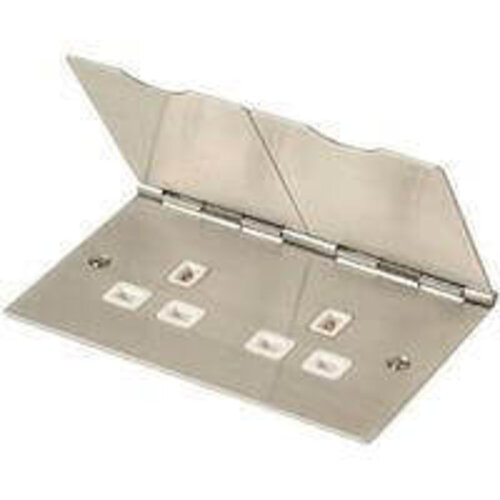
Scolmore 13A 2 Gang Unswitched Floor Socket - Stainless steel White interior
13A 2 gang unswitched floor socket in stainless steel with white interior.
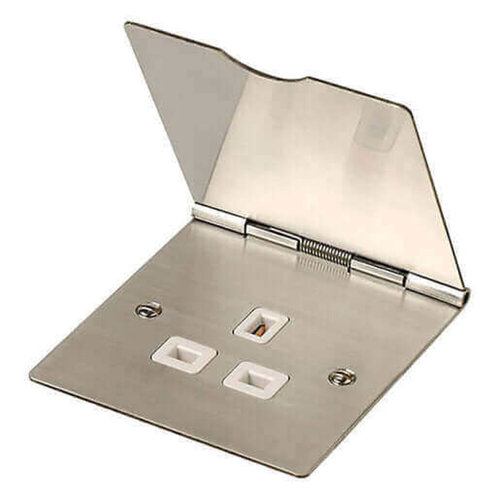
Click Essentials 13A 1 Gang Floor Socket - Stainless Steel
13A single floor socket in stainless steel.
For the Trade
Start with the space you’ve actually got and how it’ll be used, because that usually decides the spec before finish does. Tight access, shallow voids and a busy traffic line all push you one way. A calmer area with more room under the floor gives you more choice. Recessed floor sockets suit jobs where you want the lid out of the way. A basic floor box is often the more straightforward call where depth and cable entry are less of a fight. The bit that gets missed most is lid position. If it sits under desks or in a walkway, you need a layout that won’t get knocked every day.
Types of Floor Sockets & Boxes
Most jobs come down to how much of the fitting you want visible and how much cable movement you need to allow. A recessed floor socket keeps the lid flatter, so it suits areas where people walk over it or furniture sits close by. The trade-off is the box needs the right void, and you need to be more exact with the fit.
A floor socket box with a more open layout suits heavier use or mixed plug shapes and leads. It sits a touch more proud, so you lose some of that low profile. If you’re matching the rest of the job, check the wider Wiring Accessories range before you settle.
Selection Factors for Floor Sockets & Boxes
What usually decides floor sockets is the lid, the body depth and how much abuse the area will take. If you need the finish to sit quietly in the floor, a recessed floor socket is the one to reach for. You give up a bit of access around the mechanism, but the profile stays cleaner.
If the job needs more room for mixed plugs or a less fussy layout, a deeper floor box is usually the better call. Check the box depth before you commit. That is where jobs get caught out.
If you are building out the surrounding wiring, Back Boxes and Pattress Boxes are the next thing to line up. For grouped outlets in one position, Combination Plates may suit better.
Finish the Room
Once the floor sockets are picked, the next call is what sits around them and how clean the finished area needs to be. In a raised floor or screed job, you may still need matching panels, access covers or adjacent finishes to keep the opening where you want it and avoid a bodge round the lid.
Where the run comes back to the wall, back boxes and pattress boxes are the usual follow-on. Combination plates make more sense when you’re bringing several services into one point. Leave the surrounding finish to the end and the socket may be right, but the detail will look patched.
Local availability for Floor Sockets & Boxes




