Packing Tape
Packing tape comes down to three things: how heavy the cartons are, how much handling they’ll take, and whether you want clear or brown on the box. Lighter parcel tape works for ordinary dispatch. If the seals are getting knocked about in transit, move up to a stronger roll or a wider format. Brown packing tape suits plain cartons. Clear works better on labels and printed boxes where you do not want the tape to stand out.
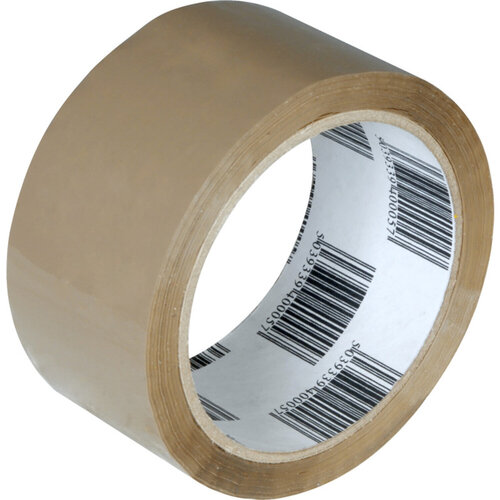
Packing Tape - 48mm x 66m
Brown self-adhesive polypropylene tape, 48mm x 66m, for cardboard packaging.
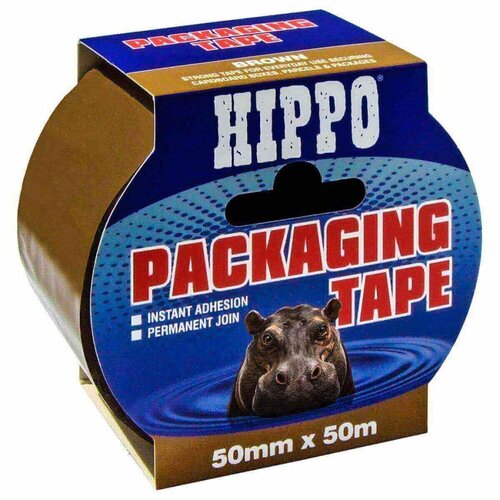
Hippo Packaging Tape - 50mm x 50m Brown
Brown polypropylene packaging tape, 50mm x 50m, high strength, instant adhesion
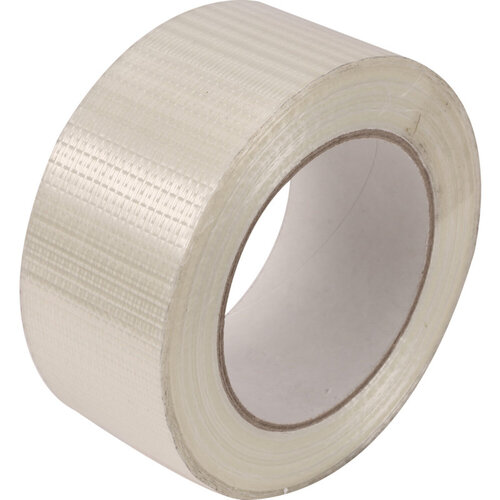
Extra Heavy Duty Packaging Tape - 50mm x 50m
Clear extra heavy-duty reinforced tape, 50 mm x 50 m
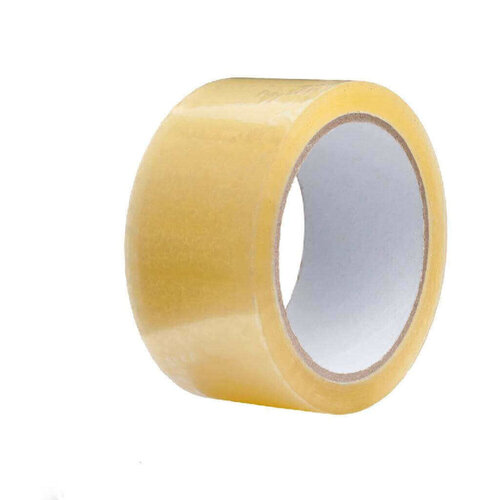
Ultratape Packtape Heavy Duty Adhesive Packaging Parcel Tape - 50mm Clear
Heavy-duty clear packing tape, 50mm wide
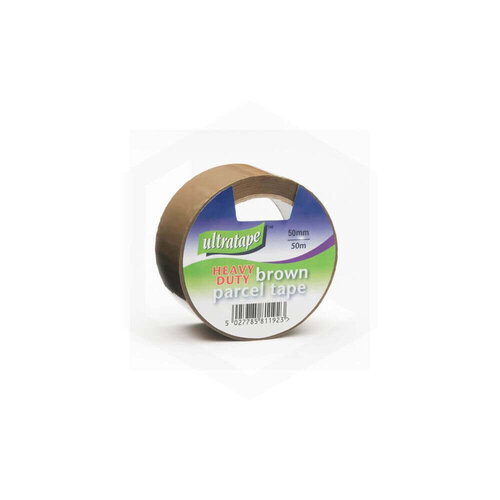
Ultratape Parcel Tape - 50mm x 50m
Parcel tape, 50 millimetres wide x 50 metres long
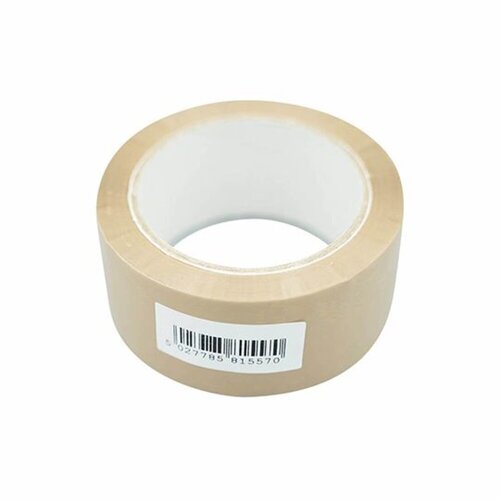
Parcel Tape - 50mm x 66m Brown
Brown parcel tape, 50mm x 66m
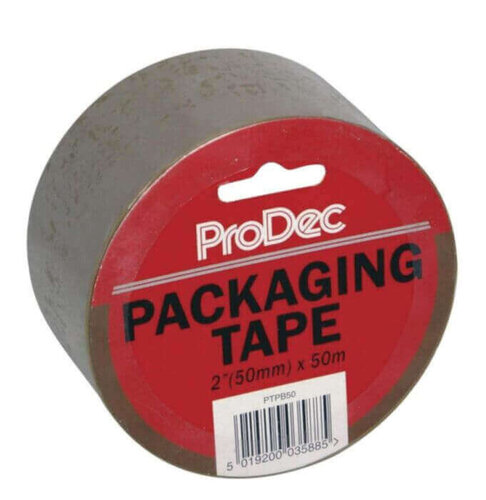
Prodec Packaging Tape - 50mm x 50m Brown
50mm x 50m brown packaging tape for fast grab and permanent adhesion
Ultratape CT2566 Adhesive Packing Tape Plain Core - 25mm x 66m Clear
25mm x 66m clear PVC packing tape with strong adhesive
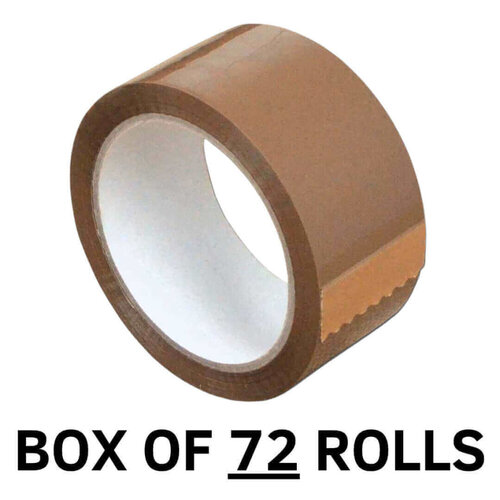
Parcel Tape - 48mm x 66m Brown Box of 72
Brown parcel tape 48mm x 66m box of 72 rolls

Ultratape Fragile Packaging Handle With Care Adhesive Printed Tape - 50mm x 66m
50mm x 66m printed packing tape with 'Fragile' messaging, low noise unwind and h…
For the Trade
Start with the box size, the weight in it, and how rough the handling is before you worry about finish. For ordinary dispatch, standard packing tape is usually enough. Once cartons are heavy, overfilled, or moving through a warehouse chain, you need stronger packing tape with a wider face and a better grab. Brown packing tape suits a plain carton finish. Clear parcel tape keeps labels or print visible. Most problems come from tape that is too narrow, too light, or a poor roll that starts lifting at the corners.
Packing Tape Types and Layouts
If you’re choosing packing tape for day-to-day dispatch, the first split is usually finish and holding power. Clear packing tape keeps labels and print visible. Brown packing tape suits plain cartons or mixed stock because it hides scuffs better.
Heavy duty packing tape or strong packing tape comes into play when cartons are overfilled, awkward, or likely to take rough handling. It costs a bit more, but you get a firmer seal and fewer call-backs for split seams. Packing tape rolls in trade pack quantities make sense when you’re burning through it. If you want the full range, Tapes is where the other formats sit.
What to Check Before You Buy
Width is the first call. Wide packing tape gives you more bite across the seam, so it suits bigger cartons or boxes that have been overfilled and want to spring back.
Narrower rolls are easier to handle and waste less on smaller boxes. The trade-off is less forgiveness if the flap is under strain. For plain dispatch, most lads just need a roll that runs clean and sticks first time. If the job needs a different hold, look at Carpet Tape or Double Sided Tape instead.
Useful Alongside Packing Tape
Once you’ve picked the packing tape, the next call is what else is being sealed and how hard the handling will be. If cartons are stacked, dragged or reused, stronger packing tape is the safer buy. Light tape lifts at the seam.
For mixed dispatch, parcel tape is the everyday choice. Brown packing tape suits plain cartons when you want a neater finish. If the job moves beyond boxes and into fixing, masking or temporary holding, the other tape ranges take over. Packing tape should not be doing work it was never bought for.
Related searches
Local availability for Packing Tape










