Thermometers
Thermometers start with two things: what you’re measuring and how fast you need the reading. Probe styles suit contact checks and give you a proper reading in the material, while infrared thermometers work when speed matters or you can’t reach the surface. Digital thermometers are the common all-round choice, but for food, room conditions or outdoor temperatures, the format matters more than the label on the box.
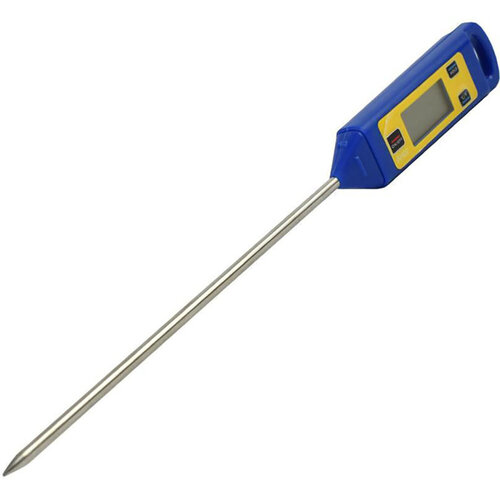
Arctic Hayes Stem Thermometer
Stem thermometer with -55°C to 330°C range and max/min readings
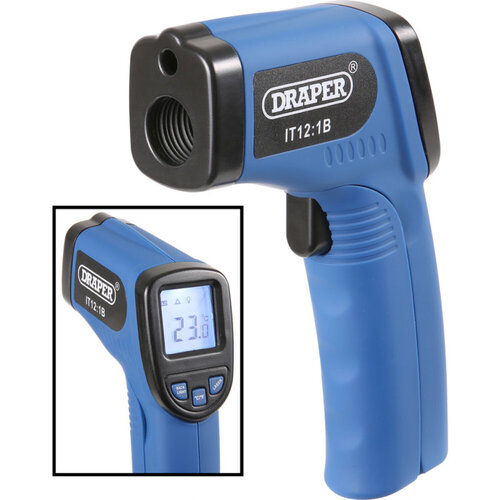
Draper Infrared Thermometer
Non-contact infrared thermometer, -50 to 550°C range and 12:1 optics
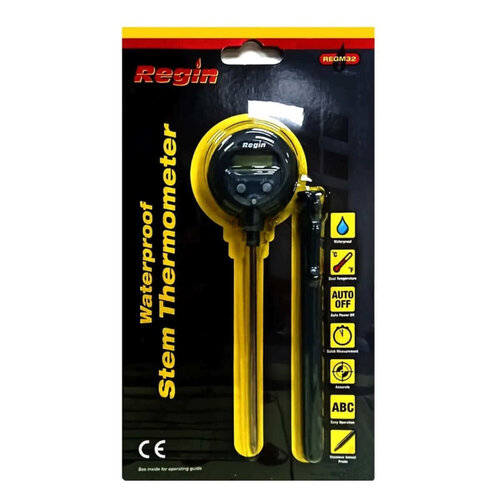
Regin Waterproof Stem Thermometer
Replacement waterproof stem thermometer with 50°C to 150°C range
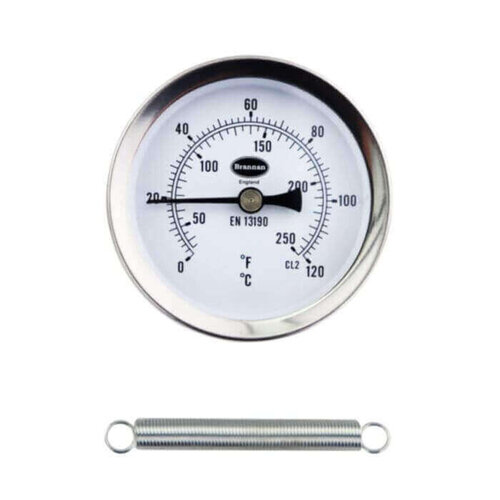
Brannan Clip On Pipe Thermometer with Bezel & Temperature Range 0 to 120 °C/°F
Clip-on bimetal pipe thermometer for pipes 20–50mm, range 0 to 120°C/°F
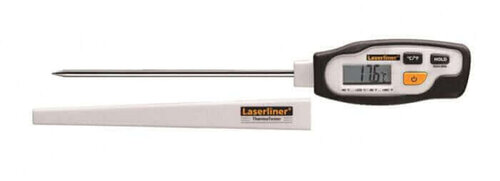
Laserliner Thermotester
Digital immersion thermometer with -40°C to +250°C range

SureLife ThinTemp Infrared Thermometer Easy Touch
Non-contact infrared forehead thermometer, one-button design
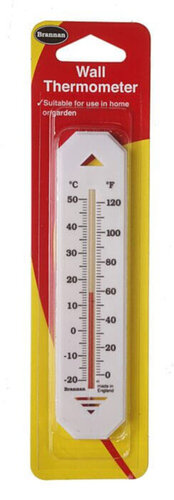
Brannan Wall Thermometer Plastic - 150mm
150mm plastic wall thermometer with Celsius and Fahrenheit
Regin 3-in-1 Thermometer
3-in-1 thermometer: infrared, probe, clamp, orange/black
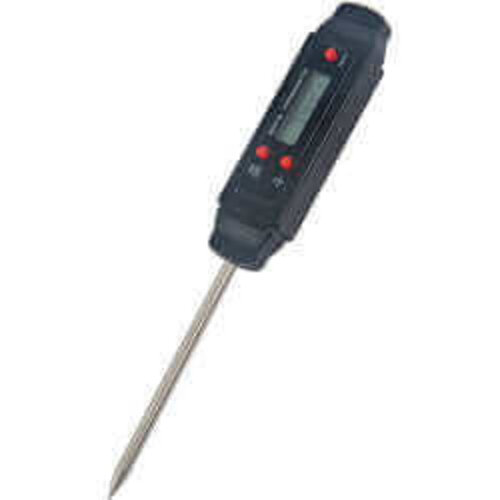
Silverline Digital Thermometer
Digital thermometer with -40°C to +250°C range and hold function
For the Trade
Start with the space you’ve got and how you need to take the reading. That usually narrows it down fast. If you need a quick check in tight access, infrared thermometers save time because you are not waiting on contact. They only work as well as the surface and the operator, though. If you need a reading you can leave in place or verify against a specific point, digital thermometers with a probe make more sense, even if they take a bit longer to use. Finish and accessories come after that. Most call-backs come from picking the wrong format for the job, not from the display on the box.
Thermometer Types and Layouts
The first split is usually speed against certainty. Infrared thermometers are the quick pick for surface checks when you don’t want to stop the job. You lose direct contact, so you need to know the surface is the bit you want to read.
Probe thermometers and other digital thermometers take longer, but they suit checks where the reading has to be taken at a specific point. Trade thermometers are the plain, no-fuss option for everyday use. Food thermometers and cooking thermometers come in when the check needs to go into the product rather than across the surface.
If you’re buying across the wider Testing Equipment range, that is usually the split that decides it.
What to Check Before You Buy
Digital thermometers with a probe suit jobs where you need a reading you can trust. They take longer, and you need contact with the material.
Infrared thermometers are quicker for surface checks and awkward access. They do not tell you what is happening inside the material.
If you are only checking ambient conditions, room thermometers are the neater fit. For other testing work, Detectors and Electrical Testers sit alongside them, but they cover different jobs.
Useful Alongside Thermometers
Once you’ve picked the thermometer, the next call is usually what else needs to go with it. On food and catering work, that often means storage and cleaning kit so the probe stays in good order and does not get battered in the van.
For room checks, you are usually thinking about the fixings and the surrounding finish. You want the unit where it can be read properly, not tucked behind pipework or a radiator. Most call-backs come from the bits around the thermometer, not the reading itself.
Related searches
Local availability for Thermometers




