Hard Hats & Face Shields
Hard hats come down to the job and how they’ll be worn. A hard hat with chin strap suits movement, height work and windy sites better than a plain shell. If you need a hard hat with visor, you get quicker face coverage at the cost of a bit more bulk. Vented hard hat options help when heat builds. Full brim hard hat styles suit glare and rain run-off better than a standard crown.
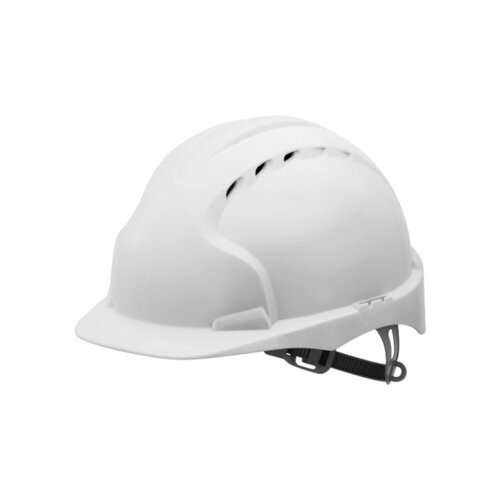
JSP EVO2 Adjustable Safety Helmet - White
BS EN 397 approved, vented, adjustable helmet in white
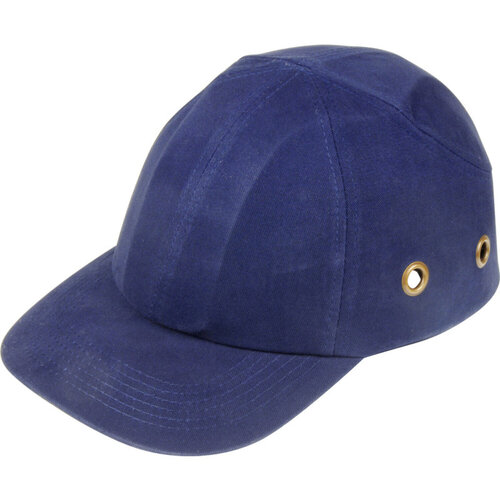
Bump Cap - Navy
Navy bump cap, baseball cap style, EVA and ABS, one size
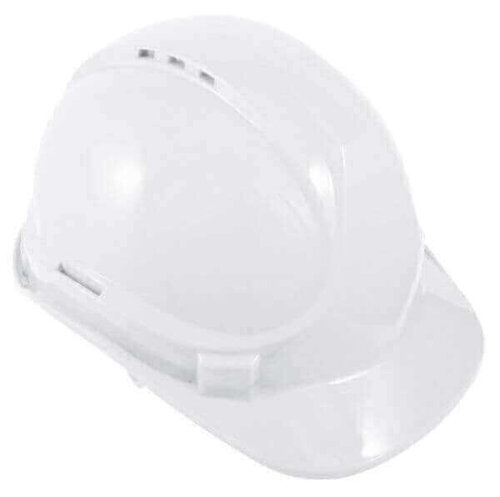
Blackrock 6 Point Hard Hat Safety Helmet - White
Blackrock white 6-point hard hat, CE EN397 approved
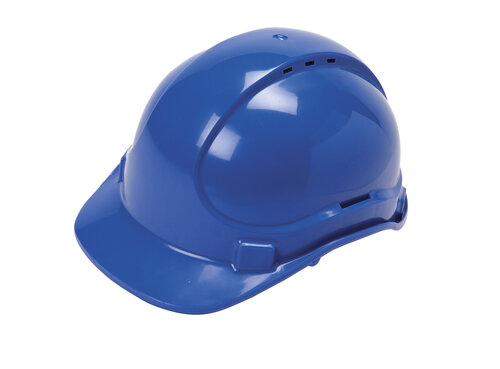
Blackrock 6 Point Hard Hat Safety Helmet - Blue
Blackrock blue 6-point hard hat, CE EN397 approved
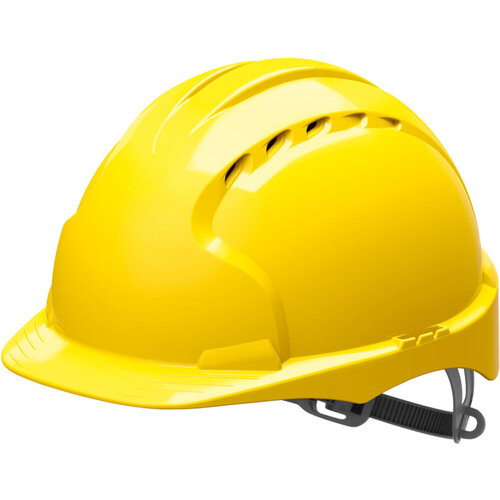
JSP EVO2 Adjustable Safety Helmet - Yellow
BS EN 397 approved, vented, adjustable helmet in yellow
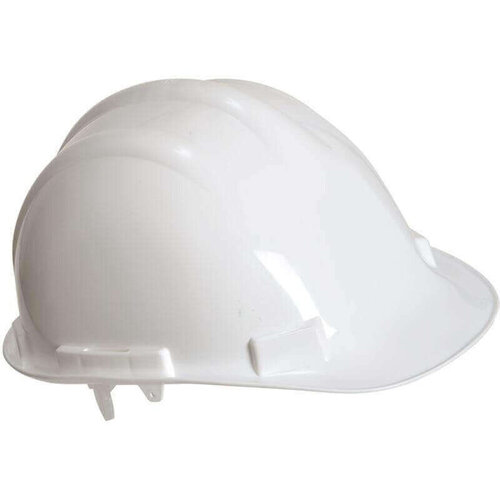
Portwest Expertbase Hard Hat Safety Helmet - White
White hard hat with electrical insulation up to 1000Vac, size 55-62cm.
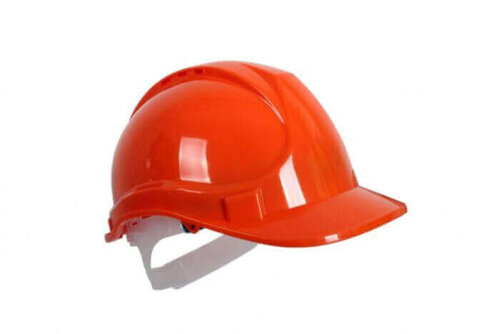
Blackrock 6 Point Hard Hat Safety Helmet - Orange
Blackrock orange 6-point hard hat, CE EN397 approved
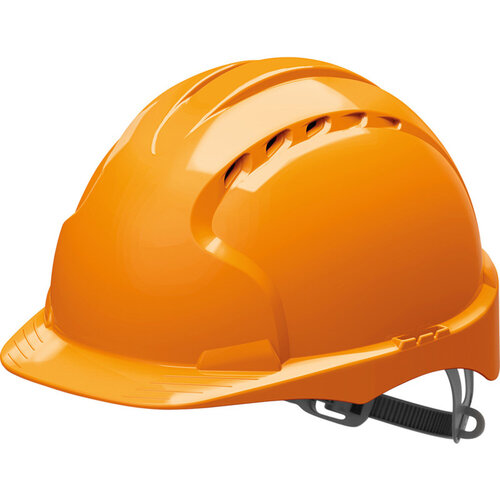
JSP EVO2 Adjustable Safety Helmet - Orange
BS EN 397 approved, vented, adjustable helmet in orange
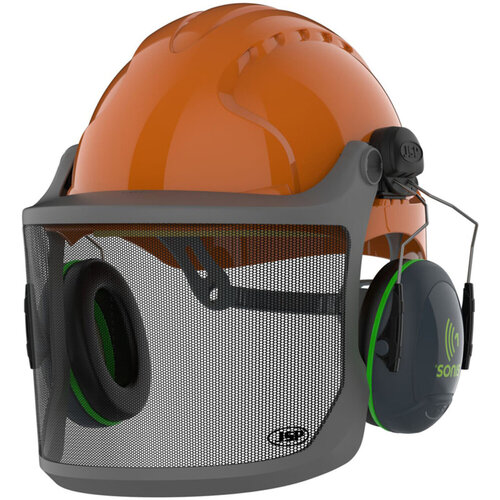
JSP Evo3 Forestry Helmet with Sonis Ear Defenders & Evoguard M1 Forestry Visor
JSP EVO3 forestry helmet with ear defenders and mesh visor
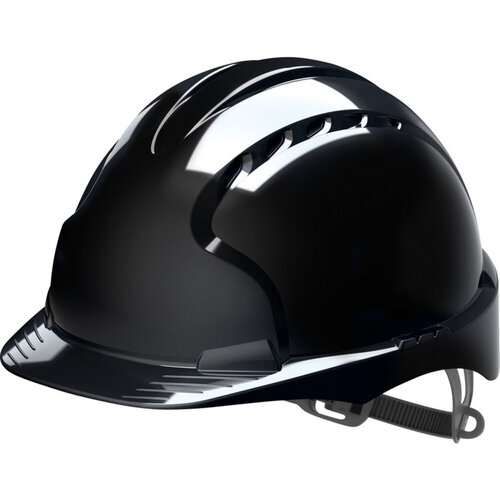
JSP EVO2 Adjustable Safety Helmet - Black
Black HDPE safety helmet with slip ratchet and adjustable harness
For the Trade
Start with the space you’ve got and how the kit will be worn, because that usually rules out half the options before you look at finishes or extras. On tight access or jobs with a lot of overhead work, a compact shell and a hard hat with chin strap usually make more sense than a looser setup that shifts about. Where the work is hot or the wear is long, a vented hard hat may be the one you reach for, but you give up a bit of weather protection. A hard hat with visor suits quick face coverage. A full brim hard hat is usually picked when glare and rain are the bigger nuisance.
Hard Hats & Face Shield Types and Layouts
If you’re narrowing hard hats, the first split is usually between plain trade hard hats and hard hat helmets with extras. Plain shells suit general site wear because they stay simple, light and easy to issue in quantity.
A hard hat with visor makes more sense when you want face coverage without separate kit. It cuts down on swapping between items, but it adds bulk.
A hard hat with chin strap is the one to reach for where movement or wind is a factor. The strap is one more thing to get right, and some lads won’t wear it unless the job really calls for it.
If you’re buying through PPE, that’s where the layout matters more than the name on the box.
What to Check Before You Buy
The first thing to check is how you’ll wear the helmet. A hard hat with chin strap earns its keep when you’re moving about, climbing ladders, or working in wind. A full brim hard hat is the better call in rain or glare, with more cover round the edge.
If you need a hard hat with visor, decide whether the face shield is built in or separate. Once the visor goes on, bulk and balance change. Vented hard hat options help on warmer jobs, but they are not the first pick if you want a simpler shell. If the job also needs Disposable Overalls or Ear Protection, sort those at the same time so you are not mixing kit from different lines.
Useful Alongside Hard Hats & Face Shields
Once you’ve picked the hard hats, the next call is what else the job needs around them. On a dusty strip-out or fit-out, you’ll often order disposable overalls and face masks and dust masks at the same time. Head protection on its own does not cover the rest of the exposure.
If the site is noisy, ear protection usually goes on the same order rather than being left to chance. It keeps the kit together for the job and avoids filling gaps later.
Related searches
Local availability for Hard Hats & Face Shields













