Flooring Sealants & Adhesives
When you’re choosing flooring sealants and adhesives, start with what the floor is doing. Timber, vinyl, laminate and mixed substrates all call for different products. A wood floor adhesive is the usual pick on timber jobs. Where movement is expected, a flexible floor adhesive comes into play. For a neat finish at the perimeter or around joints, the sealant matters as much as the bond.
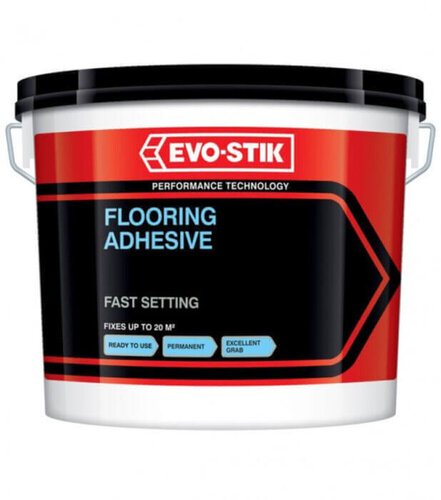
Evo-Stik Flooring Adhesive - 5L
5L solvent-free flooring adhesive for PVC, carpet, cork and linoleum
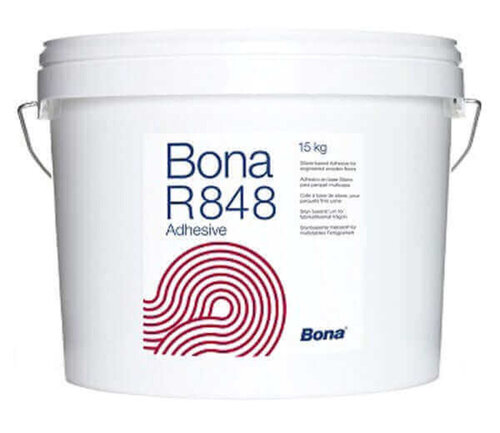
Bona R848 Solvent-Free Parquet Adhesive - 15kg
Solvent-free elastic parquet adhesive for engineered wood flooring, 15kg
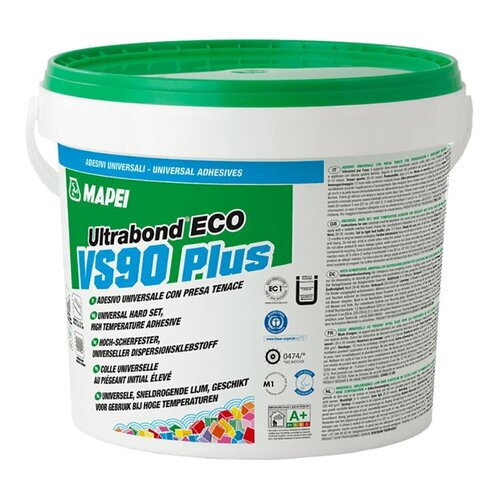
Mapei Eco Acrylic Adhesive Vinyl/PVC/Rubber Ditra Mat VS90 - 15kg
15kg tub of acrylic adhesive for vinyl, PVC and rubber, compatible with Ditra Ma…
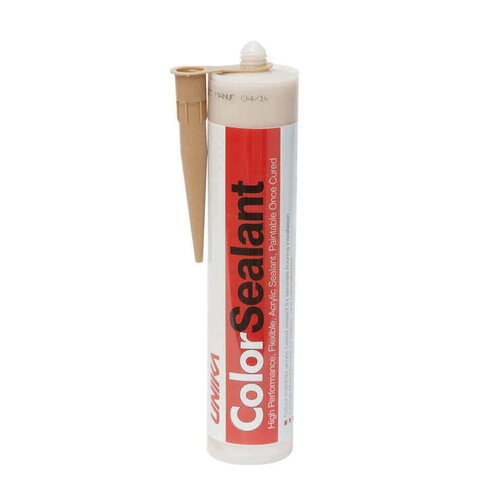
Unika Flooring Colour Sealant - 310ml Medium Oak
Unika 310ml Medium Oak acrylic gap filler & sealant for flooring
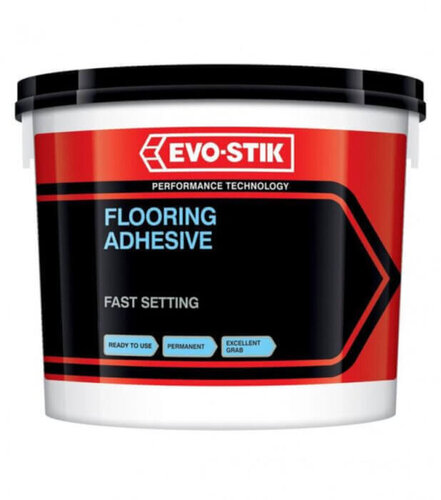
EVO-Stik Flooring Adhesive - 2.5L
Solvent-free flooring adhesive for PVC, cork, linoleum and carpet.
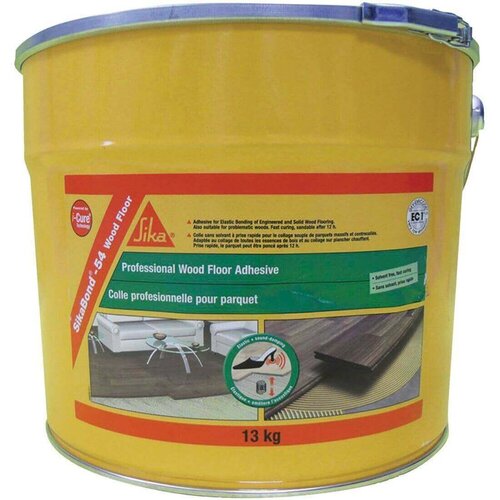
Sika Sikabond-54 Wood Floor Adhesive - 13kg
Fast-curing elastic wood floor adhesive for bonding onto tiles and underfloor he…
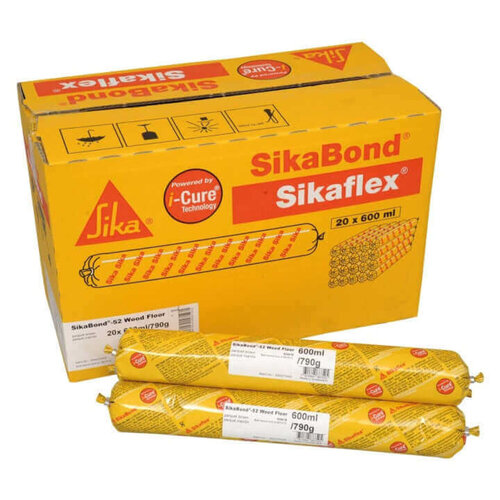
Sika Sikabond 52 Wood Floor - 600ml
Sikabond 52 wood floor adhesive, 600ml
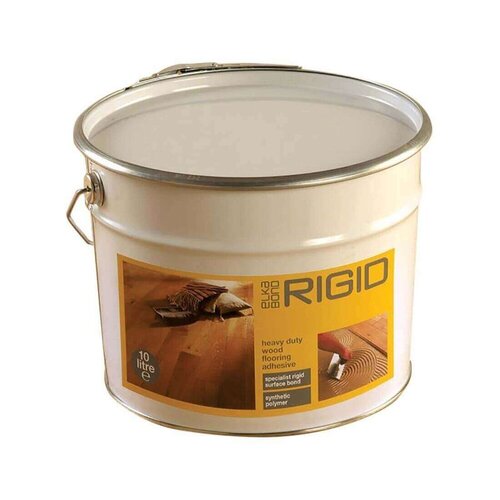
Elka Rigid Flooring Adhesive - 10L
Bonds solid and engineered flooring to concrete, screeds, plywood and chipboard
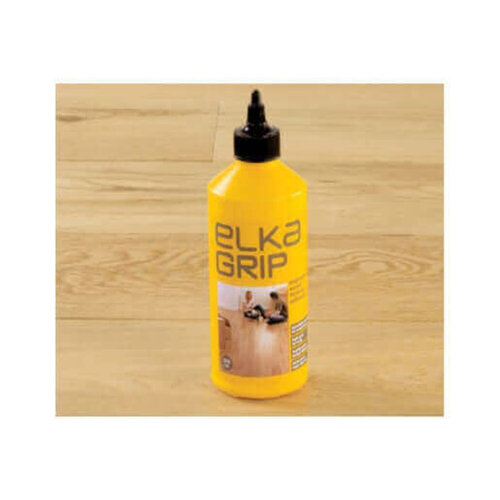
Elka Grip - 500ml
Solvent-free, flexible wood flooring adhesive, 500ml
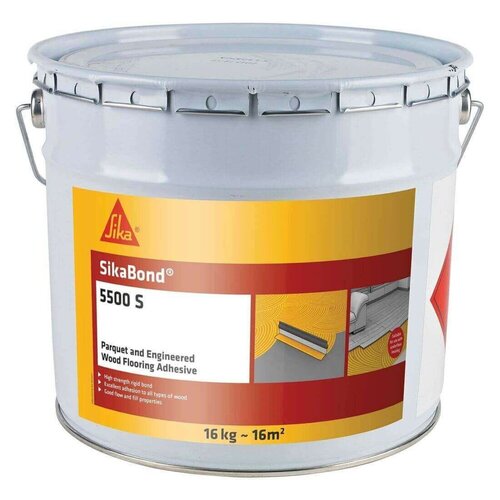
Sika Sikabond 5500S Rigid Wood Flooring Adhesive - 16kg
16kg high-strength adhesive for parquet and engineered wood flooring
For the Trade
You narrow flooring sealants and adhesives by the job first. Start with what you’re bonding, how much traffic it’ll take, and whether you need grab, flexibility, or a cleaner edge. A quick grab floor adhesive helps on awkward areas, but you’ve got less time to adjust it. A flexible floor adhesive usually earns its keep where the floor moves a bit. A firmer trade floor adhesive suits steadier substrates and heavier wear. The wrong call is often the one that looks fine on day one and gets called back once the floor starts working.
Flooring Sealants & Adhesive Types and Layouts
At the counter, the first split is usually between bond and finish. A floor adhesive is for holding the floor down. A floor sealant is for closing joints or edges where movement matters. They’re often bought together, but they do different jobs, so don’t treat them as interchangeable.
If you’re working through the wider Tile Adhesive & Grout range, that’s the point to separate fixing from finishing. Adhesive gives you the hold. Sealant gives you movement tolerance. Pick the wrong one and it usually comes back as a call-back.
What to Check Before You Buy
Material choice is usually what narrows flooring sealants and adhesives down. Wood floor adhesive is the one you reach for when the board needs a bit of give and a cleaner handle on timber. A firmer floor adhesive suits steadier substrates where you want less movement underfoot.
The trade-off is straightforward. Flexible mixes cope better with movement, but they can feel less immediate on the trowel. Stiffer ones grab differently and give you less forgiveness if the base is still working. That’s why the job, not the label, decides it.
Once the floor is fixed, you’re usually finishing the edges with Grout or, where the finish needs touching up later, Grout Pens.
Useful Alongside Flooring Sealants & Adhesives
Once the floor’s down, the next call is usually the edges and the rest of the room, not another adhesive. Check whether you need a floor sealant at movement points, then move on to the items that finish the job properly - trims where the floor meets another surface, and any adjacent wall or wet-area products if the spec runs into them.
Get the order wrong and you’re working back round finished edges. That’s where the call-backs start. Flooring sealants and adhesives sit in the middle of that sequence, but the surrounding products need lining up with them.
Local availability for Flooring Sealants & Adhesives




