Motorised Valves
When you’re picking motorised valves, start with the circuit you’re controlling and the pipe size, then check whether you need simple open-or-close control or a mid position valve for a cylinder arrangement. A 2 port motorised valve suits a straight zone. A 3 port motorised valve is the one you reach for when the flow needs diverting rather than just shutting off. Most call-backs come from the wrong body size or the wrong action, so match the valve to the pipework and control setup before you leave the counter.
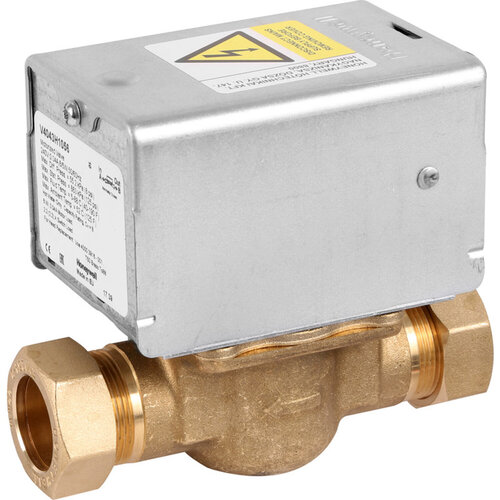
Honeywell Home 2 Port Zone Valve - 22mm
22mm 2-port motorised zone valve for central heating
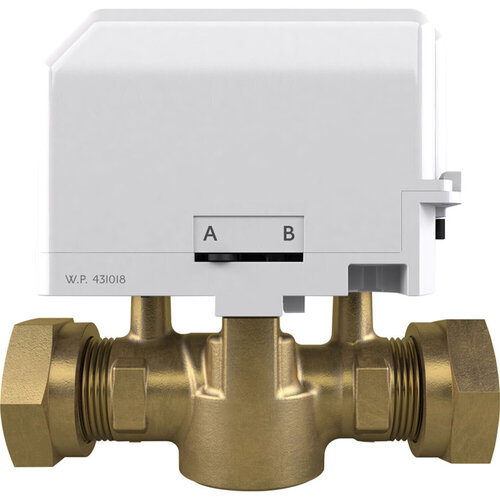
Drayton 2 Port Zone Valve - 22mm
2 port motorised zone valve, 22 millimetres compression, 230V
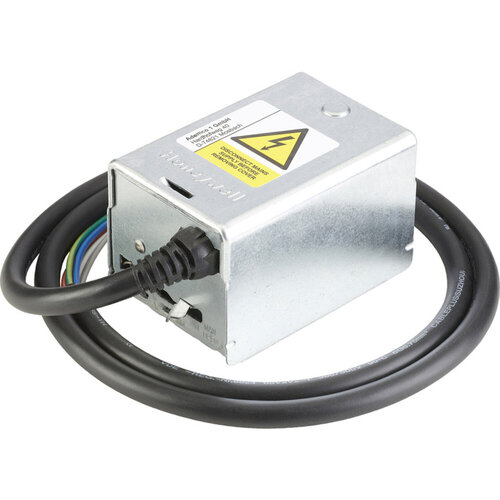
Honeywell Home Powerhead for V4043H Valves
Replacement powerhead for Honeywell V4043H 2-port motorised valve
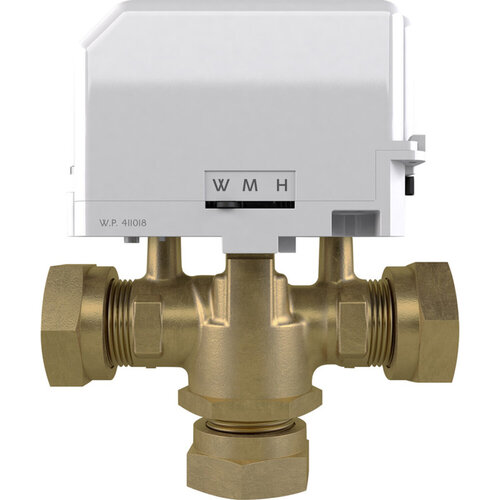
Drayton Mid Position Valve - 22mm
Drayton mid-position valve 22mm, 230V, with snap-on actuator
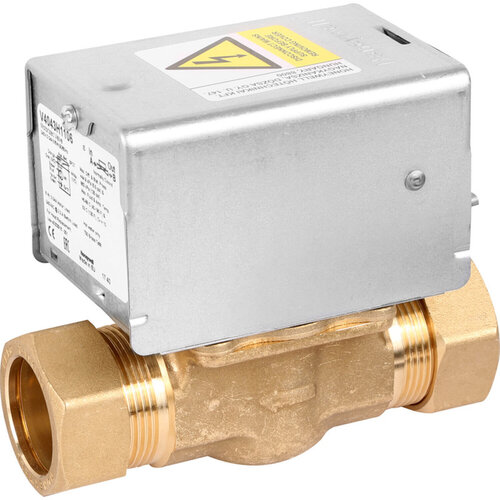
Honeywell Home 2 Port Zone Valve - 28mm
28mm 2-port motorised zone valve for central heating
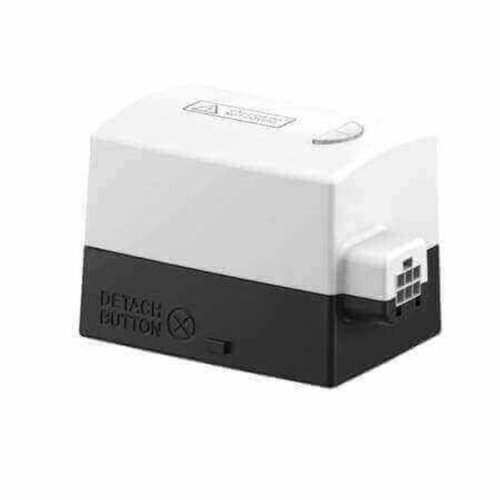
EPH Controls Actuator for Honeywell 2 Port Valve
230V replacement actuator for Honeywell 2-port valves, white and black
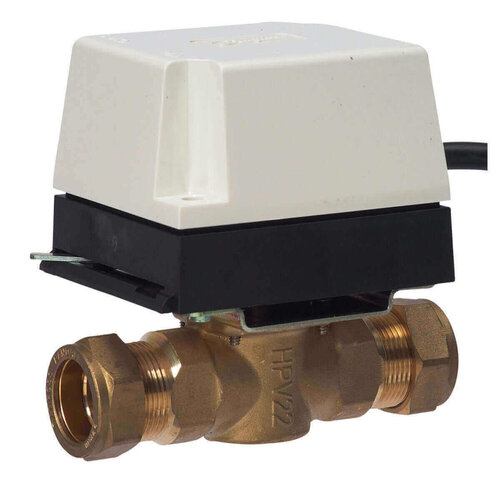
Danfoss HP22 2 Port Motorised Valve
2-port motorised zone valve for 22mm pipe, IP40 rated
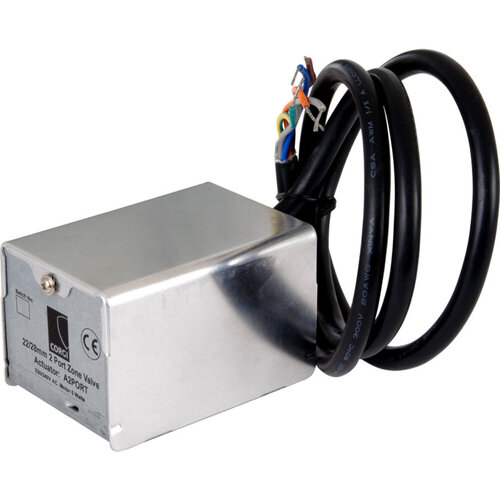
Corgi Replacement Actuator for Motorised Valve - 2 Port Actuator
Replacement 2-port actuator for Corgi or Honeywell valves
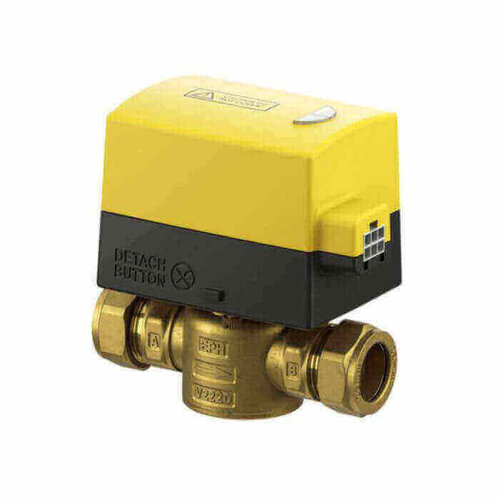
EPH Controls Two Port Compression Motorised Valve with Detachable Actuator - 22m…
Two-port compression motorised valve with detachable actuator, 22mm, for domesti…
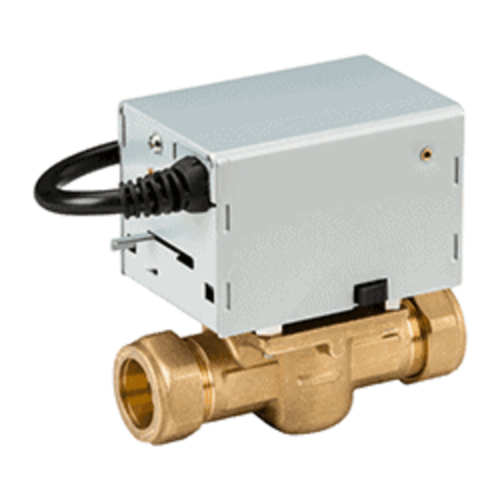
ESi 22mm 2 Port Zone Valve ESZV222LM - ESI 22mm 2 port zone valve ESZV222
22 mm 2-port motorised zone valve with detachable actuator, ESZV222
For the Trade
Start with the space you’ve got and how the circuit needs to behave, because that usually rules out half the options before you look at anything else. In a tight plant room or a cramped airing cupboard, body size and pipe orientation matter more than the badge on the box. A mid position valve suits a different control setup to a simple zone valve, and a 3 port motorised valve only makes sense where the flow needs to be directed rather than just opened and shut. Most call-backs come from valves picked to suit the pipework, not the job.
Types of Motorised Valves
For most jobs, you’re choosing between a 2 port motorised valve and a 3 port motorised valve.
A 2 port motorised valve suits a straight open-or-close circuit. Use it when you need simple control and no flow sharing. It keeps the setup direct, which helps on cleaner installs and straightforward replacements.
A 3 port motorised valve works where the system needs to switch between paths. You get more control, but you give up some simplicity. If the wiring or pipework is already awkward, that extra function can add another point to check.
Trade motorised valves usually make sense when you want a like-for-like replacement. They match the existing arrangement and avoid reworking the control layout. If you’re working across Central Heating, the valve type should follow the system layout, not the other way round.
Selection Factors for Motorised Valves
Start with what the circuit needs to do, then match the body style and size to the pipework.
A 2 port motorised valve suits simple open-or-close control. Use a 3 port motorised valve when you need to divert flow rather than just stop it.
Mid position valve jobs are less common. Use one only when the system needs that intermediate position. Check the fittings around it as well. A replacement can turn into a bigger job if you are short on the right bits, so it makes sense to look at Central Heating Accessories at the same time. If the valve sits in a wider hot water setup, check the rest of the plant against Water Heaters before you leave the counter.
Finish the Room
Once the motorised valves are chosen, the next call is usually the bits around them that keep the job tidy and serviceable - access panels, pipe boxing, and any adjacent finishes that let you get back to the valve without tearing the area apart later.
If the valve ends up behind a neat finish, sort the access now, not when you’re back on a call-out. Where the pipework is being altered as well, the surrounding accessories matter more than the valve itself, because a clean service route saves time on the next visit.
Related searches
Local availability for Motorised Valves










