Caulking Guns
Caulking guns come down to how much sealant you’re pushing, how often you’re using it, and how much control you want at the nozzle. A light skeleton gun suits occasional work and smaller cartridges. A heavier frame or ratchet-style gun gives you more control on thicker materials and longer runs, but you’ll feel the extra weight. For repeat sealing, a smoother trigger and less flex in the frame usually saves time and material. A gun that twists is the one that starts wasting both.
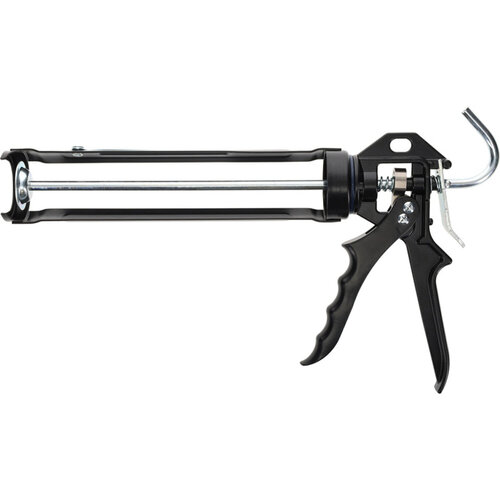
Minotaur Rotating Sealant Gun - 400ml
Minotaur 400ml rotating sealant gun for high-viscosity sealants.
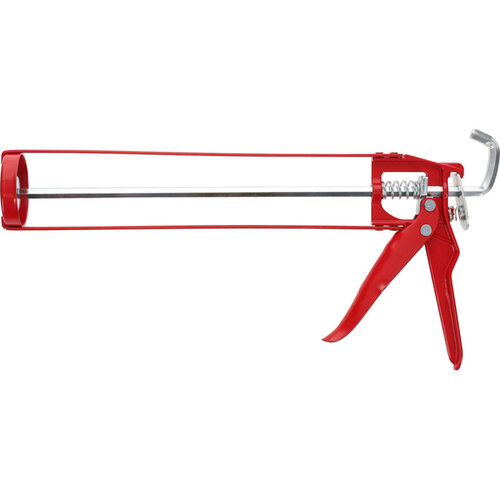
Minotaur Standard Applicator Sealant Gun - 400ml
400ml sealant gun with flow cut-off and U-shape ladder hook
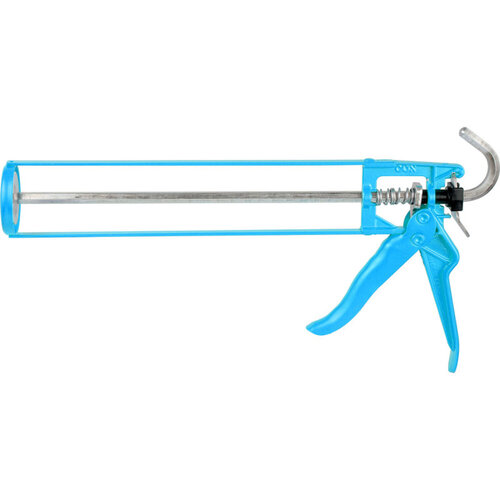
PC Cox Easiflow Sealant Gun - Up to 400ml
Skeleton sealant gun for cartridges up to 400ml, with metal construction and eas…
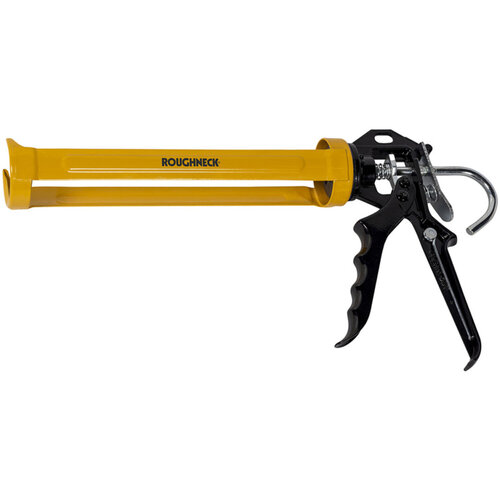
Roughneck Heavy Duty Sealant Gun - Up to 400ml
Heavy duty sealant gun for cartridges up to 400ml, 13:1 thrust
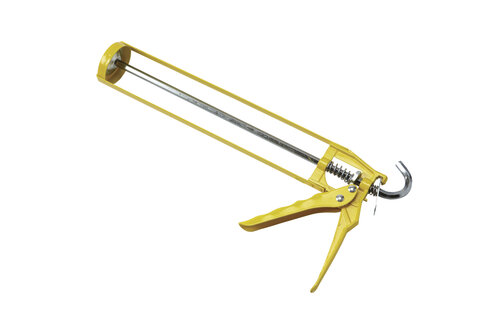
Prodec Extra Strong Caulking Gun - Up to 400ml
Extra strong caulking gun for cartridges up to 400ml
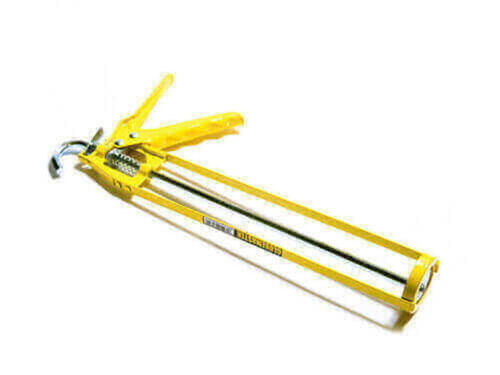
Sealant Gun - 11" Yellow
11-inch yellow sealant gun
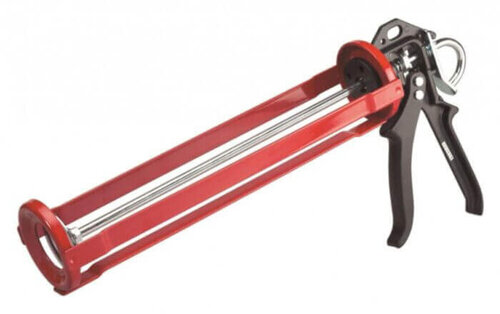
Rotating Sealant Gun - Up to 900ml
Everbuild rotating sealant gun for cartridges up to 900ml
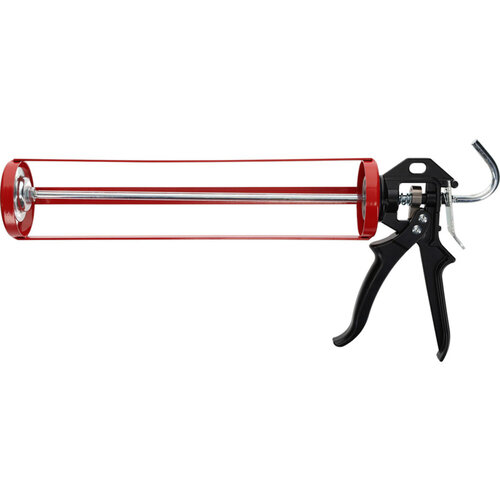
Minotaur Rotating Sealant Gun - 900ml
Minotaur 900ml rotating sealant gun for high-viscosity sealants.
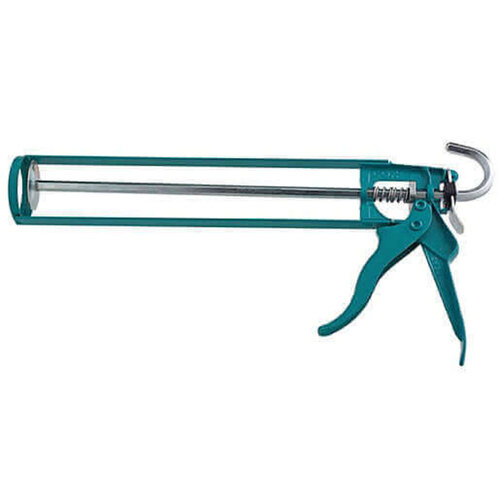
Cox Easiflow HD Skeleton Gun - 10"
Cox Easiflow HD manual applicator for 310ml and 400ml cartridges
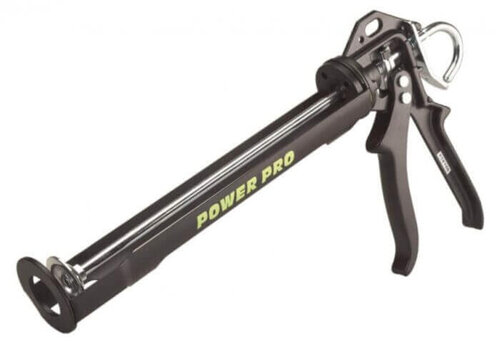
Everbuild Power Pro Sealant Gun - 400ml
Heavy-duty sealant gun for 310ml and 400ml cartridges
For the Trade
What usually decides it is how much you’re putting through the gun and how tidy the bead needs to be. For one-off snagging, a basic frame is usually enough. If you’re running a lot of cartridges in a day, you want a gun that feeds smoothly and doesn’t start slipping under pressure. The wrong one shows up fast on site. You get hand fatigue, uneven flow, or a trigger that feels vague. Most tradesmen pick caulking guns on feel first, then on how well they suit the sealant or mastic they’re using.
Caulking Gun Types and Layouts
A skeleton gun suits lighter work. You can see the cartridge, it loads fast, and there’s less weight in the hand.
A full-barrel caulking gun gives the cartridge more support. That helps when you need a firmer push on the trigger and less flex, but it does add bulk.
Ratchet and smooth-rod caulk guns split the rest of the choice. Ratchet guns are fine for the odd job. A smooth-rod gun usually gives cleaner control and less mess.
If you’re matching the gun to the rest of the kit, start with Sealants, Silicones & Tools and pick the frame that suits the work in front of you.
What to Check Before You Buy
Material usually changes the call. A metal-frame caulking gun feels firmer in the hand and copes better when you’re pushing thicker silicone or working all day, but it does add weight.
Plastic or lighter composite versions are easier to carry and less tiring on short runs. They can feel less planted when the cartridge gets stiff. For neat finishing work, smooth trigger action matters more than brute force. With heavier sealants, you notice the difference straight away. For Decorators Caulk, fine control matters more than sheer push. Hybrid Sealants & Adhesives can justify a tougher frame because the material asks more of the gun.
Useful Alongside Caulking Guns
Once you’ve picked the caulking guns, the next call is what’s going in the gun. For trims and internal joints, decorators caulk is often the follow-on. If you need a stronger bond or more movement tolerance, hybrid sealants and adhesives make more sense.
The gun is only half the job. The wrong cartridge will have you fighting the bead all day. On snagging work, keep silicone remover and siliconing tools in mind too. A clean-out and a decent finish tool save more time than swapping guns.
Related searches
Local availability for Caulking Guns















