Waterproof Sealants
A waterproof sealant comes down to where it’s going and how much movement you expect. On sound surfaces, you’ll usually want a different format than you would for rougher or more exposed work. If the job needs a tougher film or better resistance to standing water, step up rather than just grabbing the cheapest tube or tin.
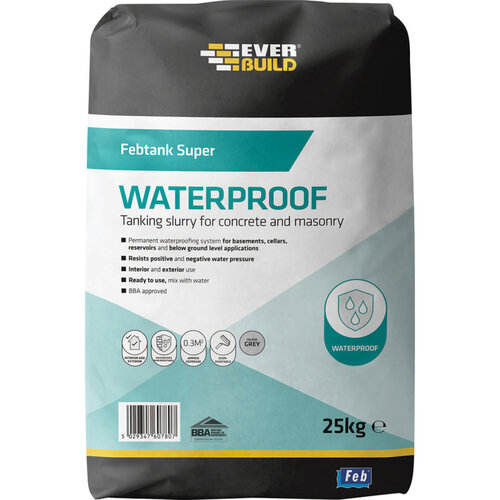
Everbuild Febtank Super Waterproof Tanking Slurry Coating for Concrete and Mason…
Grey waterproof tanking slurry for concrete and masonry
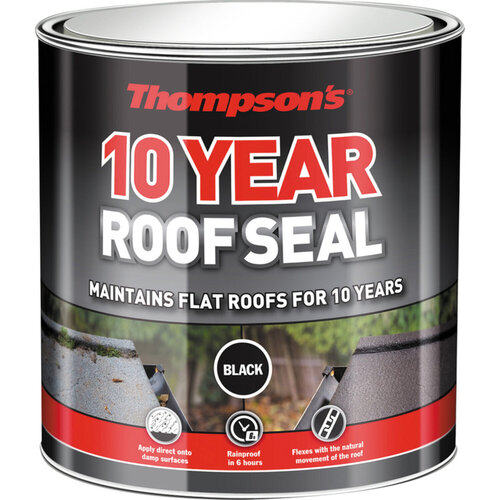
Thompson's 10 Year Roof Seal Black 4L
Black 4L roof seal with 10 year guarantee, rainproof in 6 hours
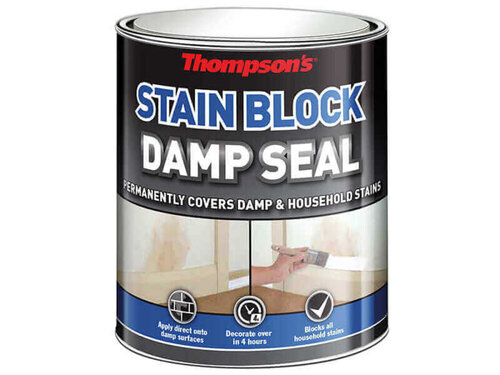
Thompson's Stain Block Damp Seal - 250ml White
Stain-block damp seal for interior walls and ceilings, overpaintable in 4 hours
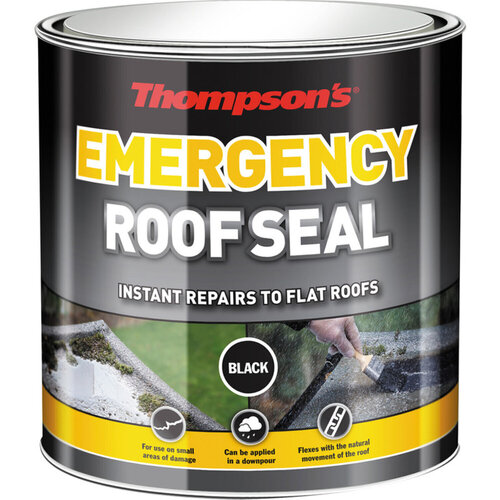
Thompsons Emergency Roof Seal - Thompson's Emergency Roof Seal Black 1L
Black emergency roof seal for immediate watertight repairs, 1 litre
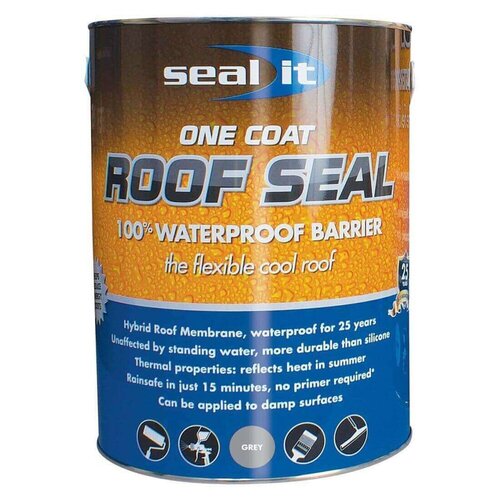
Seal It Roof Seal - 5L Grey
100% waterproof breathable hybrid roof membrane 5L grey
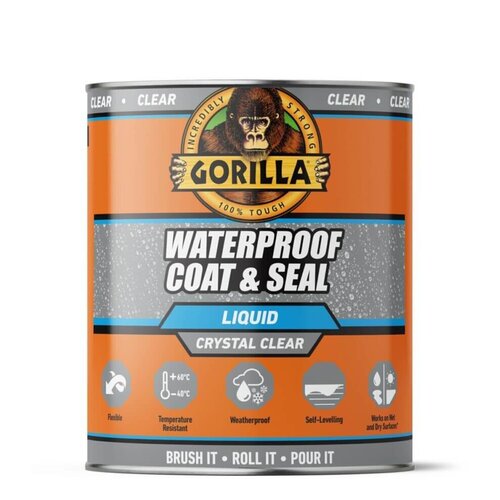
Gorilla Waterproof Coat & Seal Clear - 473ml
Clear liquid rubber coating for sealing leaks on roof tiles, brick, wood, metal,…
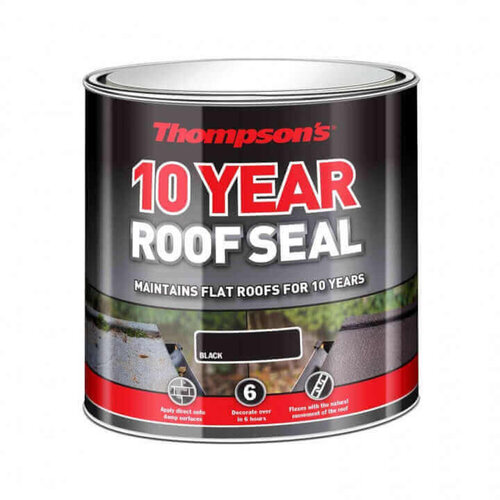
Thompson's 10 Year Roof Seal - 2.5L Grey
Grey roof seal, 2.5L, 10-year guarantee, rainproof in 6 hours
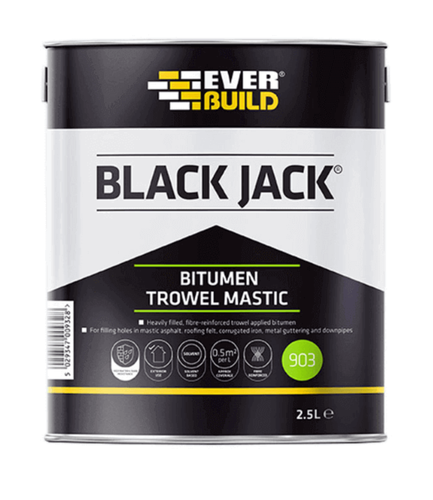
Black Jack Trowel Mastic - 2.5L
Black heavily filled bituminous trowel mastic with fibre reinforcement for roofi…
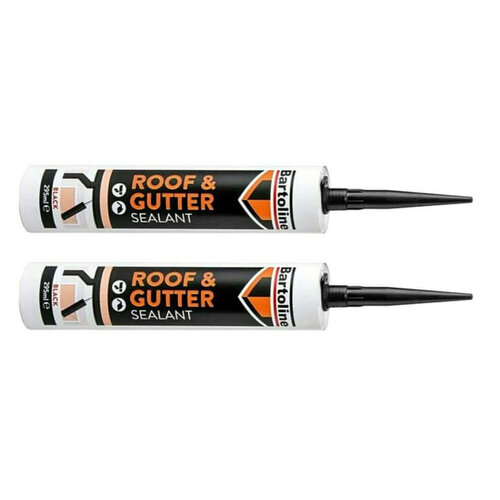
Bartoline Roof & Gutter Sealant Cartridge
Bartoline roof and gutter sealant cartridge
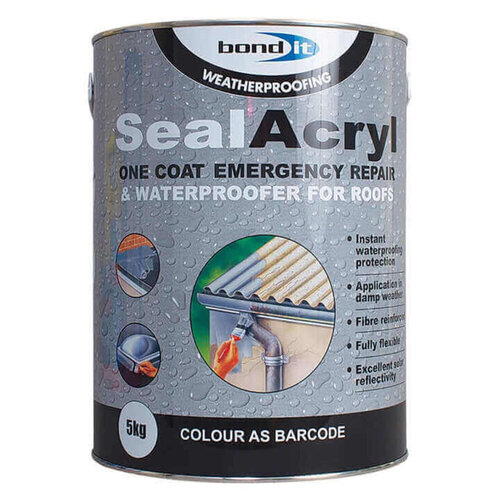
Bond IT Sealacryl - 5L Black
Black 5-litre Bond IT Sealacryl
For the Trade
Start with the space you’ve got and how the job will be used, then narrow the waterproof sealant from there. Tight access, awkward corners and moving joints usually rule out anything slow to work with. Open runs give you more room to choose on finish and cure time instead. Fast grab can save time, but it leaves less room to adjust, and that is where call-backs start. If the surface is sound and the exposure is straightforward, you are usually buying for reliability rather than over-specifying the job.
Waterproof Sealant Types and Layouts
For most jobs, you’re choosing between a brush-on waterproof sealant and a quicker-applied waterproofing sealant. The format matters as much as the label.
Brush-on products suit patching, detailing and awkward junctions. You can work them into the area properly. The trade-off is time, and you need more care on the finish.
Spray or liquid-applied options move faster over larger, open areas. They cover ground quickly, but you give up some control where the line needs to stay neat.
If you’re buying alongside other materials from Aggregates & Chemicals, keep the job in mind. The wrong format is usually what slows you down, not the product itself.
What to Check Before You Buy
What usually decides it is the surface and what the job has to live with. A waterproof sealant for a damp-prone joint is a different buy from one going onto a more exposed external detail. You’ll usually pay more for extra resistance where movement or standing water is part of the brief.
If the sealant has to work with the rest of the mix, check the related Additives & Plasticisers or Cement Mix first. That’s where compatibility issues tend to show up. The wrong choice normally fails at the edges, not in the middle.
Useful Alongside Waterproof Sealants
Once you’ve picked the waterproof sealant, the next call is what it’s going against. If the job includes boards, trims or a shower screen, get those ordered with the right finish so you’re not trying to make the sealant hide a poor edge.
Storage and wastes matter too. A neat run around the fitting only works if the detail behind it is sound. On refurb work, check the adjacent wall finish before you sign off. A waterproofing sealant won’t rescue a surface that’s already breaking up.
Related searches
Local availability for Waterproof Sealants









