Lockers & Cabinets
When you're choosing lockers and cabinets, start with who needs access, how much needs storing, and whether you need open shelving, individual compartments or a lockable cupboard format. Steel and other metal cabinets usually get the nod where the kit takes a bit of abuse, while lighter storage lockers are often enough for cleaner indoor use. Door layout and fixing points matter as much as size. A cabinet that fits the room but won't take the load or the lock spec is the one that causes grief later.
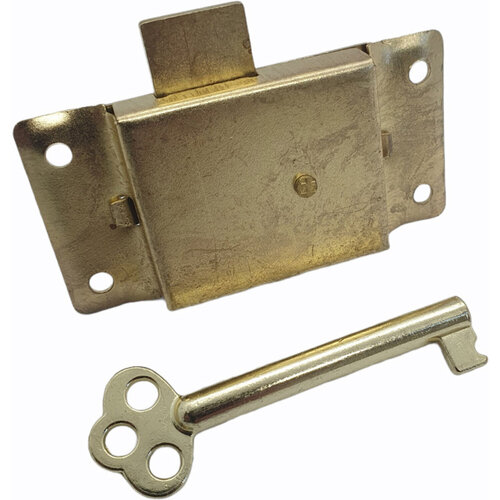
Cupboard Lock - 2 1/2"
2 1/2 inch brass plated cupboard lock with brushed finish.
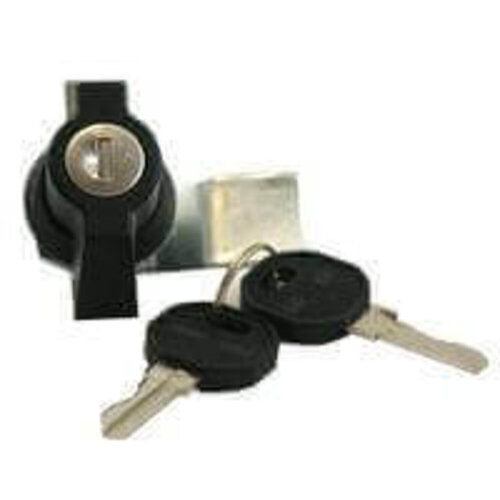
Ali Industries Metal Lock & Key for Use with Steel & Stainless Enclosures - All …
Metal lock and key for steel and stainless steel enclosures, all keys alike
For the Trade
On site, you should confirm fit first - the spec usually comes down to who needs access, how often, and how much abuse the unit will take. For lockers and cabinets, split staff use, shared storage, and anything that needs a lockable cupboard rather than a simple open unit. In a busy changing area, repeated use and rough handling matter more. For office or back-room storage, a cleaner layout often matters more than a heavy-duty build. The wrong choice is usually the one that looks fine on paper but does not suit the space or how people actually use it.
Types of Lockers & Cabinets
If you’re narrowing lockers and cabinets, start with how the space gets used. Storage lockers suit individual kit or staff belongings where you need separate compartments and a clear handover point. Storage cabinets make more sense for shared items, paperwork or cleaning gear in one lockable cupboard.
Metal lockers suit heavier daily use and rougher treatment, but you give up some flexibility compared with simpler office lockers. Metal cabinets and lockable storage cabinets work better when you want a tidier front and fewer compartments, though they do not suit every changing area. If you’re comparing the wider Security range, this is the point where you decide between personal storage and shared secure storage.
Selection Factors for Lockers & Cabinets
Material is where the choice usually tightens up. Steel lockers and steel cabinets suit tougher daily use because they usually give you a firmer enamelled face. That matters more than the finish on paper.
The trade-off is weight. They are heavier to move than acrylic on many sites, so handling and access can change the job as much as the spec does. If the unit needs shifting often, that extra weight is the bit you notice first. For related kit, Post Boxes and Vehicle & Outdoor Security are the next stops when the job moves beyond internal storage.
Finish the Room
Once you’ve picked the main unit, the next call is what sits around it. In a changing room or back-of-house fit-out, that usually means extra storage cabinets for shared kit, a lockable cupboard for paperwork and valuables, or a cleaner wall finish so the units don’t look tacked on.
Metal cabinets are the usual pick where the room takes knocks and gets wiped down often. Lighter furniture can work in quieter areas, but it will show wear sooner. If the job sits within a wider commercial security spec, keep the surrounding storage consistent so you are not mixing standards in the same space.
Related searches
Local availability for Lockers & Cabinets


