Nail Guns
Nail guns come down to what you’re fixing, how much access you’ve got, and whether you want the speed of a cordless nail gun or the lighter feel and steady output of an air nailer. A framing nail gun suits first fix work where you’re driving bigger fixings, while a brad nail gun or finish nail gun is the cleaner choice for second fix and trim. Buy on nail size and format, not power alone, or you’ll know about it straight away.
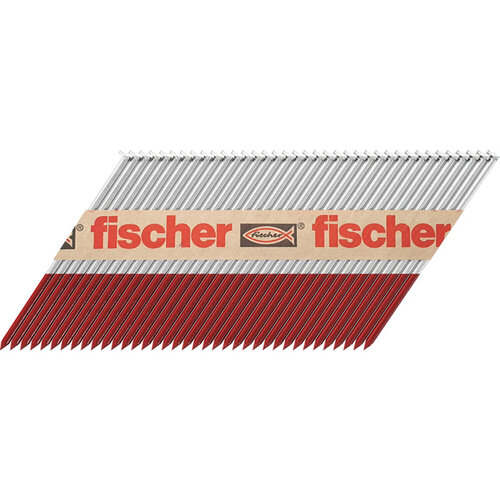
Fischer Nail & Gas Fuel Pack - 3.1 x 90mm smooth, galvanised, 2 fuel cells, 2200…
Galvanised 3.1x90mm framing nails with 2 fuel cells, 2200-pack
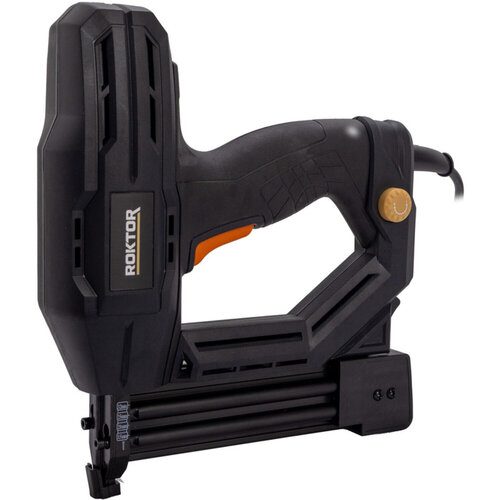
ROKTOR 32mm Second Fix Electric Nail Gun & Stapler - 230V
2-in-1 electric nail and staple gun for second-fix work
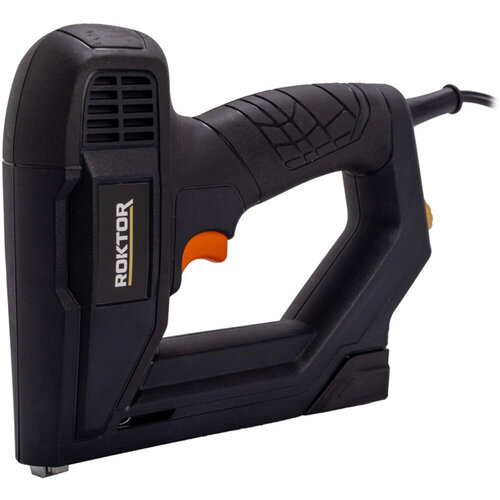
ROKTOR 15mm Second Fix Electric Nail Gun / Stapler - 230V
Corded electric 2-in-1 nail and staple gun, 18ga nails and Type 53 staples up to…
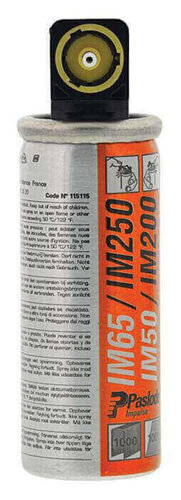
Paslode Gas Refill Fuel Cell for IM65 & IM200 - 30ml 2 Pack
Paslode mini gas fuel cell, 30ml, 2 pack – for IM65, IM50, IM200
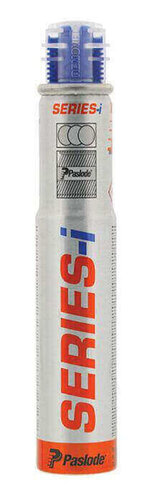
Paslode Series-i Gas Refill Fuel Cell for IM90i & IM360ci - 80ml
Premium 80ml gas fuel cell for Paslode IM90i and IM360Ci nailers
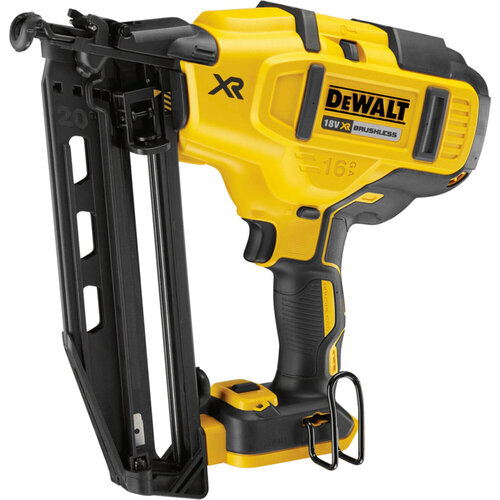
Dewalt 18V XR Brushless 16GA Second Fix Nailer - Body Only
18V cordless 16Ga angled finish nailer (body only)
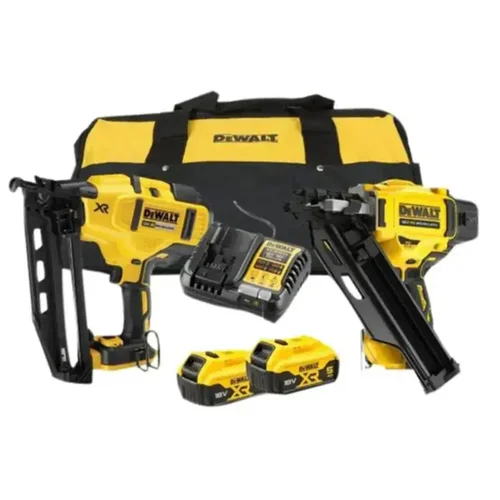
Dewalt Cordless XR Twin Nailer Kit - 18V
18V XR twin nailer kit including framing and second fix nailers
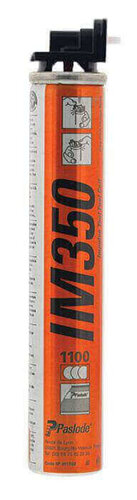
Paslode Gas Refill Cells for Use with IM350 & IM350 Plus Nailer - 80ml 2 Pack
80ml Paslode gas cells for IM350 nailer, 2 pack
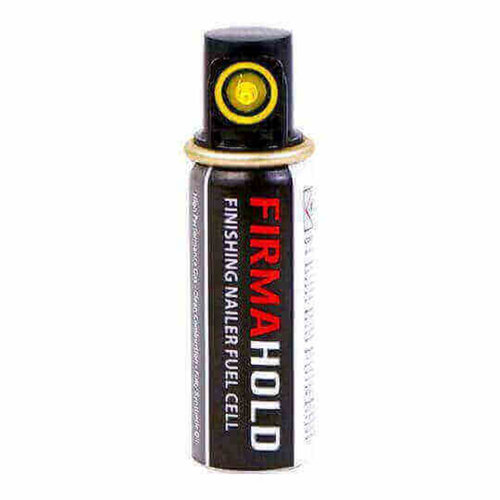
Timco Firmahold Finishing Fuel - 30ml
White plastic screw caps for 3.0-4.5mm screws, pack of 100
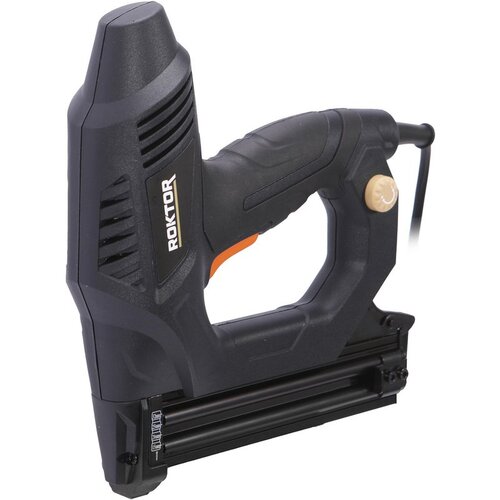
ROKTOR 230V 32mm Second Fix Electric Nail Gun - 230V
230V second-fix nail gun for nails up to 32 millimetres
For the Trade
Start with the space you’ve got and how you’ll use the tool on the job, because that usually decides more than finish or extras. Tight corners, overhead work, and moving round a lot often point you towards a cordless nail gun. If the set-up stays fixed and you want lighter handling in the hand, an air nailer still makes sense. After that, choose the format that matches the job. A brad nail gun suits finer work. A finish nail gun gives a cleaner hold. A framing nail gun brings more bite when the job needs it. The jobs that get called back are usually the ones where the tool was chosen for convenience, not access or use.
Nail Gun Options Compared
The first split is usually between a framing nail gun and a lighter finishing model. Framing tools suit heavier first-fix work because they drive bigger nails and cut out pre-drilling. The trade-off is size and a rougher finish.
A brad nail gun or finish nail gun is the better call where the fixing needs to disappear into trim, mouldings or casing. You lose holding power, but the result is neater.
For steady output on a fixed setup, an air nailer still makes sense. If you’re moving round the job, cordless nail guns are easier to live with, though they bring more weight and battery management.
If you’re sorting the wider kit, Power Tools is the parent range to work from.
Choosing Materials and Size
What usually decides it is the fixing size, the finish you need, and how much kit you want to carry.
A framing nail gun suits heavier timber work where bite matters more than a neat head. A finish nail gun or brad nail gun is the better pick when the fixing needs to sit cleaner.
Cordless nail gun options save you dragging hoses about. An air nailer still makes sense if you’re on one setup all day and want steady output.
If the job shifts into cutting or breaking out, you’re into Angle Grinders or Concrete Breakers instead.
Completing the Setup
Once you’ve picked the nail guns, the next call is what’s going around them on the job. If you’re fixing out panels, screens or storage, the finish matters as much as the fixing. A clean face and a straight line save you coming back to touch-ups.
The hold-up usually isn’t the gun. It’s the surrounding work being out of sequence, so you end up waiting on trims, access panels or wall finishes before you can close the job down. Keep the next purchase tied to the room finish and the fixing method, and you avoid the bits that slow the job.
Related searches
Local availability for Nail Guns







