Electric Vehicle Charging
Electric vehicle charging usually comes down to three things: what supply you have, how the cable needs to be presented, and whether the job calls for a basic unit or one with load management and app control. Tethered units are quicker to live with and often suit domestic EV charger installs, while untethered units work better where the client wants a cleaner front or may change cars later. If the run is tight or the board is already busy, that often settles the choice first.
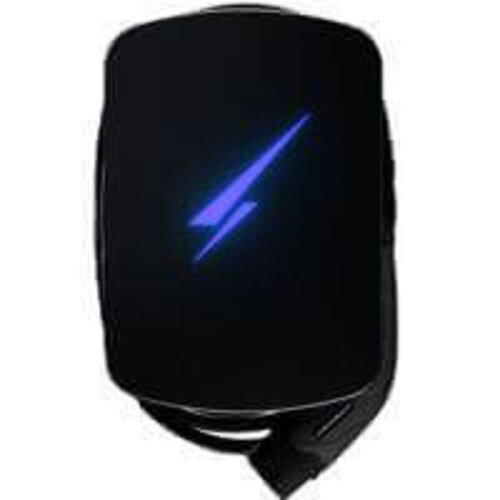
EV Charger Type 2 Tethered Home 3 Pro Range - 7.4kW 5m Black IP66
7.4kW tethered Type 2 home EV charger in black, IP66 rated
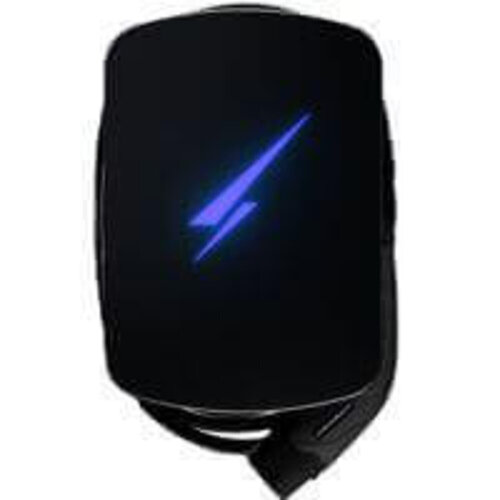
Hypervolt Home 3 Pro EV Charger Type 2 Tethered - 7.4kW 7.5m black IP66
7.4kW EV charger, tethered type-2 cable, black, IP66 rated
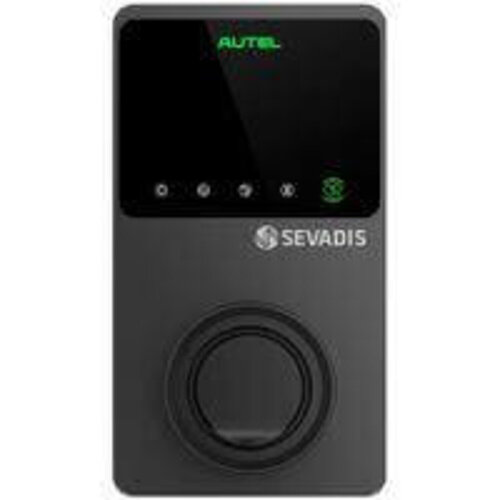
Addis Maxicharger EV Charger - 11kW/22kW 4G Type 2 socket 1 outlet Black IP54
11kW/22kW smart Type 2 EV charger with 4G connectivity and IP54 rating
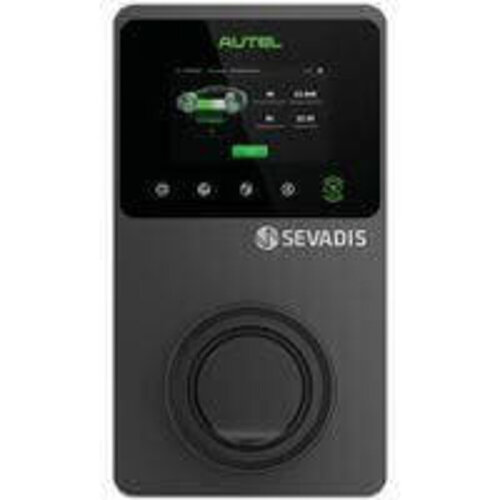
Addis Maxicharger EV Charger - 11kW/22kW, Type 2 socket, 1 outlet, LCD screen, I…
11kW/22kW EV charger with Type 2 socket, LCD touchscreen, IP54, OZEV approved
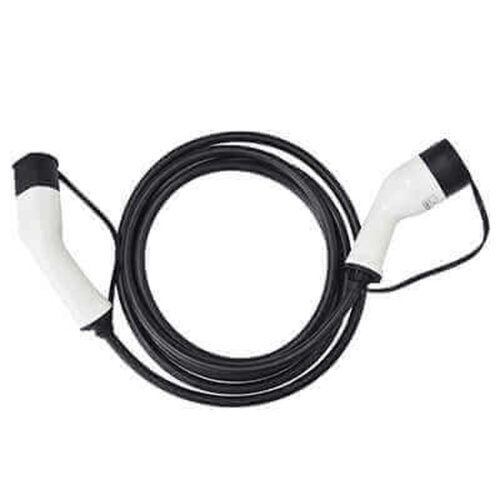
Three Phase Type 2 to Type 2 Charging Lead - 5m 32A
5-metre Type 2 to Type 2 three-phase EV charging cable, 32A, IP55

Rolec EV EV Charger - 7.4kW AC Black
Rolec QUBEV Smart EV charger, 7.4kW, Type 2 socket, IP65, black
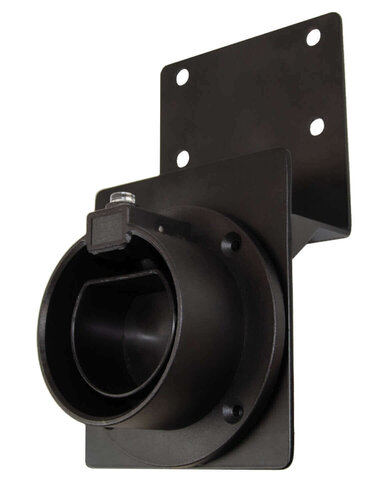
Eris EV Cable & Gun Holder Wall Mount
Eris EV wall mount holder for EV charging cable and gun.
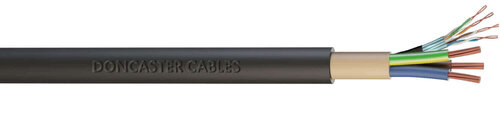
Doncaster Cables Ev Ultra Cable - 6mm², 3 Core + Cat5e Twisted Pair, PVC, Black …
EV charging cable combining power and data, 6mm² 3-core with Cat5e, 100m drum
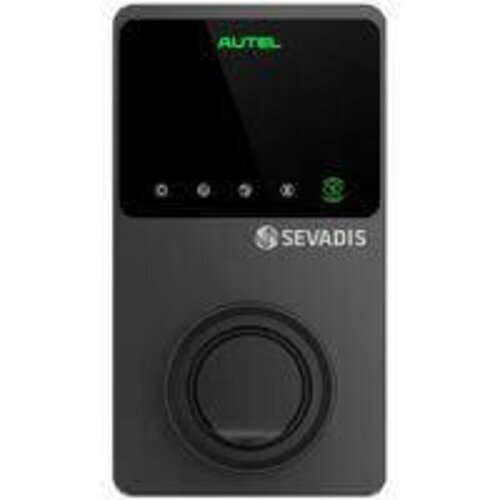
EV Charger Type 2 Socket 1 Outlet IP54 Maxicharger Range - 7.4kW Black
7.4kW single-outlet Type 2 socket EV charger with IP54 and OZEV approval
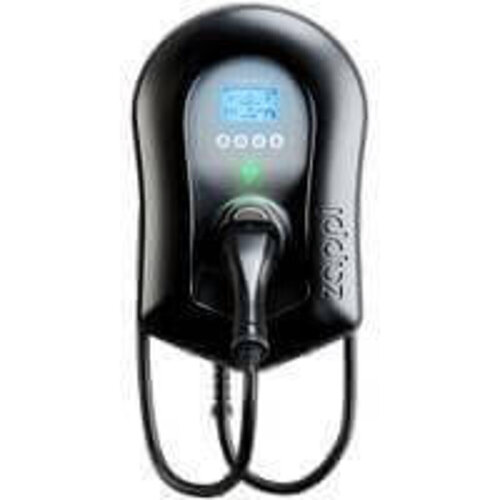
Energizer Zappi Type 2 Tethered EV Charger - 6.5m, black, 7kW/22kW, IP65
Zappi Type 2 tethered EV charger, 6.5m, 7kW/22kW, black, IP65
For the Trade
Start with space and how the unit will be used, because that usually settles the spec before you get into finishes or extras. A compact drive, a garage wall, or a shared parking bay all push you in different directions, and the wrong layout causes grief later. For electric vehicle charging, look at cable reach, where the car sits, and whether the lead needs to stay fixed or separate. After that, decide if a basic ev charger is enough, or if a smarter unit earns its keep by giving you more control over use and load.
Electric Vehicle Charging Types and Layouts
The first split is usually between a tethered electric vehicle charger and an untethered one. Tethered suits jobs where the lead stays with the charger and the driver wants quicker day-to-day use. Untethered gives more flexibility if cable length or connector type may change later, but it adds a bit more handling each time.
Smart ev charging is the one to look at when the customer wants load control or app features. It adds another layer of setup and usually costs more.
If you’re matching the rest of the job out of Domestic Electricals, that’s where the broader choice sits.
What to Check Before You Buy
The main call with electric vehicle charging is how the unit will be used day to day, and what the supply can comfortably support.
A tethered ev charger suits the same car in the same bay. The lead stays with the unit, so the job is quicker to use. The trade-off is less flexibility if the vehicle or connector changes later.
An untethered electric vehicle charger gives you more scope when the setup may change. The user needs to keep the cable with the car, so it adds a bit more handling on site.
If the job needs app control or load management, a smart ev charger is worth the extra spend. If not, you are paying for features that will not get used.
For adjacent kit, Telephone Accessories and Alarms & Sensors are the usual next stops when you are sorting the rest of the domestic electricals spec.
Useful Alongside Electric Vehicle Charging
Once the charger is chosen, the next call is usually the kit around it that keeps the job tidy and serviceable. You’ll often be sorting the consumer unit side, any enclosure or backboard work, and the finish around the unit so you’re not leaving a rough patch behind it.
If the install sits near other domestic electricals, check whether you need matching accessories or a separate enclosure rather than trying to make one part do two jobs. A neat finish matters because the charger gets used every day, and the cable route is usually what shows up first if the spec is rushed.
Related searches
Local availability for Electric Vehicle Charging





