Decorating Tools & Equipment
Decorating tools come down to the job in front of you. Quick prep, clean application, or a kit that keeps you moving between tasks. A decent set of trade decorating tools saves time, but the right choice is usually about handling and control rather than just having more bits in the van. If you work across different finishes, focus on what you use day to day - brushes, rollers, trays and the smaller accessories - and leave out the extras that only add clutter.
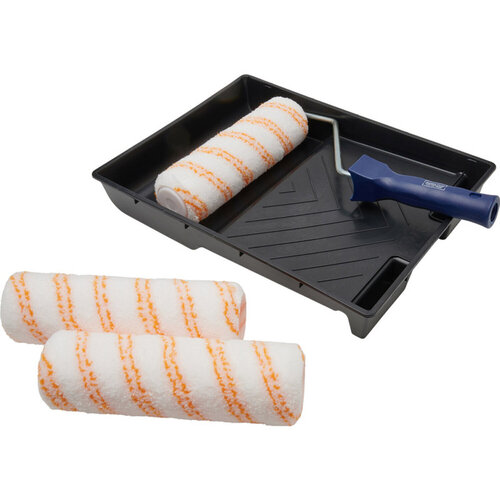
Hamilton For The Trade Medium Pile Roller Set - 9" 5 pack
5-pack 9-inch medium pile roller set for water-based paints
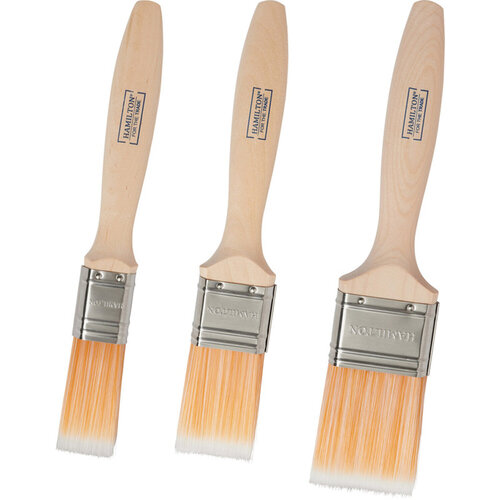
Hamilton for the Trade Fine Tip Flat Brushes - 3 Pack
Pack of 3 fine tip flat brushes for use with all paints
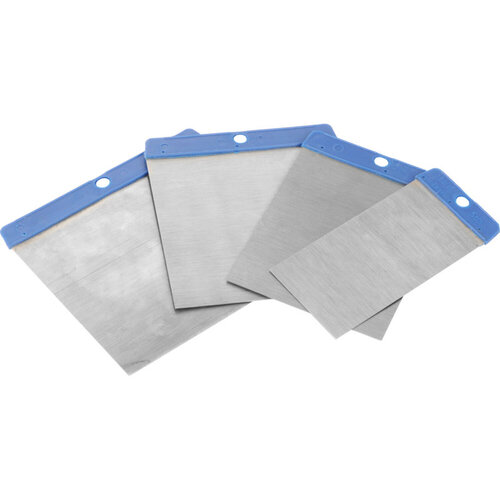
Prep Euro Filling Knife Set - 4 Pack
4-piece filling knife set with flexible carbon steel blades
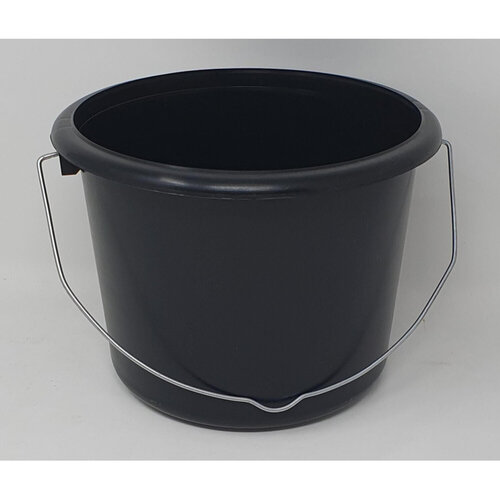
Plastic Paint Kettle - 2.5L
2.5L plastic paint kettle for storing and mixing paint
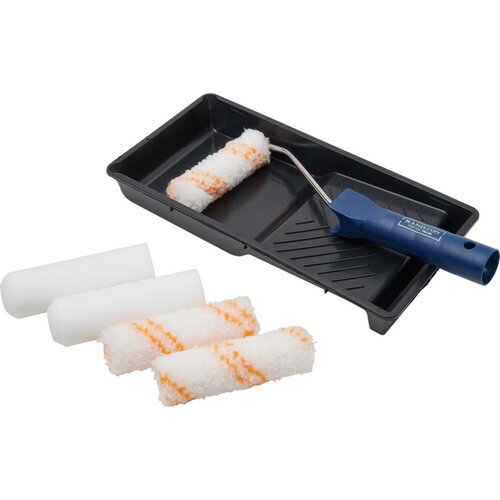
Hamilton For The Trade Mixed Mini Roller Set - 4" 7 Piece
7-piece mini roller set for interior gloss and satin finishes
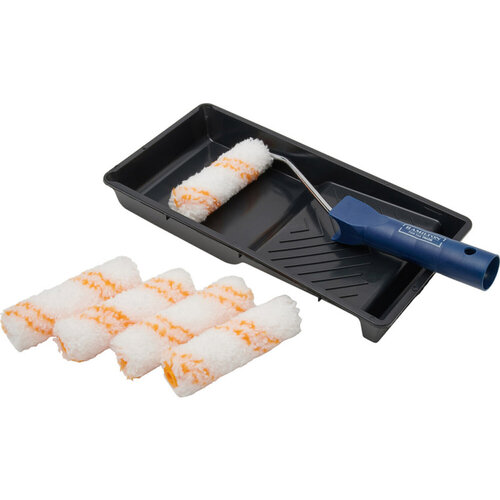
Hamilton For The Trade Medium Pile Mini Roller Set - 4" 7 Pack
4-inch medium pile roller set with 7 pieces for water-based paints indoors
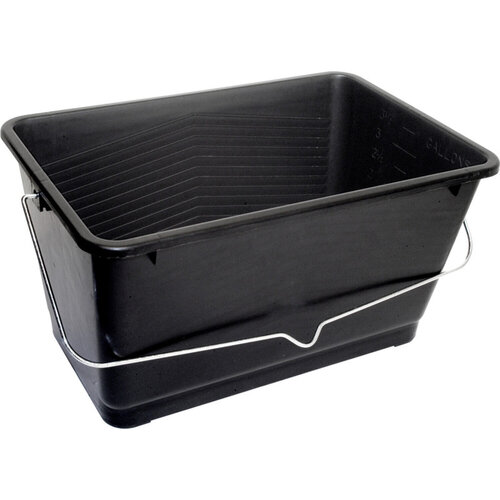
Paint Scuttle - 15L
15-litre paint scuttle with measurement markers and ribbed interior
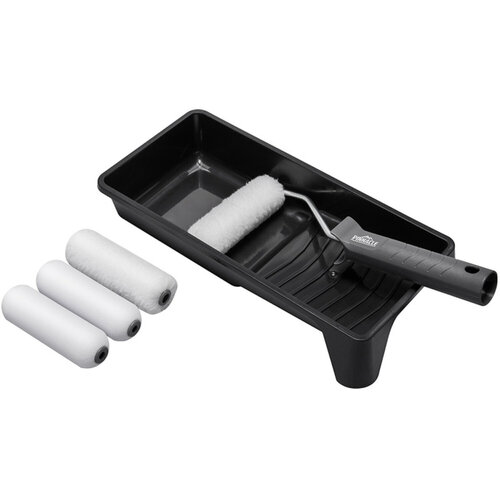
Pinnacle Mini Roller Set - 4" 6 Piece
4-inch mini roller set with foam and medium pile sleeves, includes recycled tray
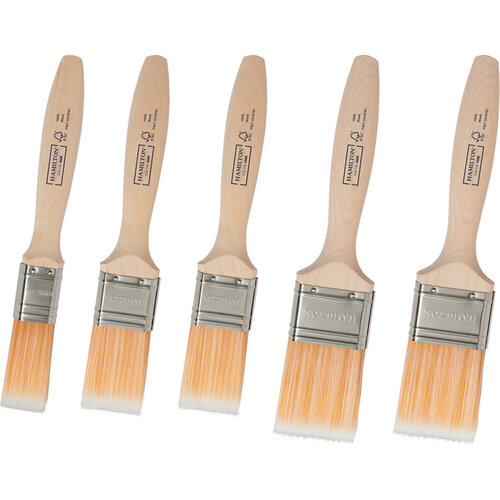
Hamilton for the Trade Fine Tip Flat Brushes - 5 Pack
Pack of 5 fine tip flat brushes for all paints
For the Trade
Start with the space and how you’ll use the kit on the job. Tight rooms and stairs usually call for smaller decorating tools and a simpler loadout. If you’re moving between prep and finish work, choose trade decorating tools that keep you moving. Finish and accessories matter, but only after you’ve sorted handling and what you need to carry. That usually decides what gets used and what stays in the van. For the wider range, keep an eye on Painting & Decorating.
Decking Stain Applicators
For decking work, you’re usually choosing between speed, finish control and how much product you carry on the pass. A wider applicator covers boards faster, but it can leave you fighting drips on rough timber or around edges.
Smaller tools give you more control on awkward runs and tighter details, though they take longer. That’s why Decking Stain Applicators are the bit to look at when the job is boards rather than general decorating tools. On open-grain timber and longer runs, you want something that lays stain evenly without overloading the surface.
Decorating Sets
If you’re kitting out a mixed decorating run, Decorating Sets keep the basics together in one buy. That saves you piecing it together item by item.
They work well for smaller jobs, call-backs, or keeping a spare kit in the van. The trade-off is less control over the brush, roller, or tray you get. If you already know the spec, buying the individual decorating tools still makes more sense.
Electric Paint Sprayers
You usually narrow decorating tools by the finish you need and how much time you’ve got on the job.
For a lot of internal work, brushes and rollers still make more sense. You get more control and less masking. Electric Paint Sprayers come into their own when coverage speed matters and you can justify the extra prep and clean-down. A sprayer can save time on application, but only if the job suits the setup and you’re not fighting overspray or awkward access.
Extension Poles
Extension poles are what you grab when the work is overhead and you want to stay on the floor. Length and head fitting still matter more than most people think. Too much flex and you end up fighting the tool. Too much length in a tight room and it gets awkward.
Most buyers want a pole that locks up solid and fits the roller frame or brush head they already use. For short runs, a lighter pole is usually enough. For ceilings and stairwells, a stiffer one is worth the extra weight.
Knives & Scrapers
Knives and scrapers come down to what you’re taking off and how clean you need the edge. A stiff blade suits heavier scraping. A more flexible knife gives you better feel on filling and fine finishing.
Around old paint, adhesive or stubborn residue, blade shape matters. The wrong profile just skates over the surface. Get the match right and you spend less time going back over the same patch.
Paint Brush Cleaner
Paint brush cleaner is what you buy when you want to keep good brushes in service, not just wash them out. If you are changing colours, working with heavier coatings, or using trade decorating tools day after day, the cleaner you pick comes down to how much residue it shifts and how quickly you need the brush back in use.
A basic wash-out is fine for light work. Once paint starts to set in the ferrule, you need something that breaks it down properly. The usual mistake is treating every cleaner the same. That is when decent brushes get written off early.
Key Differences When Choosing
You usually narrow decorating tools by the finish you need and how much handling time you’ve got. For a quick run of standard work, basic trade decorating tools are usually enough and keep spend down.
If the job is mixed or you’re short on kit, a decorating sets option can make sense. You give up some choice over individual pieces, but you save time on picking each item separately.
If the work is on Exterior Paint & Woodcare, choose tools that cope with heavier coatings and more wear. Lighter indoor kit will slow you down.
Compatibility matters most. A tray, roller and brush that do not suit the coating will cost more time than the price difference ever saves.
Next Decisions After Choosing
Once you’ve picked the main decorating tools, the next call is usually what else needs to go with them on the job. Trays, kettles and scuttles matter when you’re moving paint around all day. The wrong container slows you down and makes a mess of the floor protection.
Storage and carry options matter too. A kit that’s easy to load out and clean down is worth more than a pile of loose bits. For wall finishes, you’re then into the surrounding spec, so the next purchase is often what sits alongside the paint rather than another set of trade decorating tools.
Related searches
Local availability for Decorating Tools & Equipment