Electric Screwdrivers
Electric screwdrivers suit repetitive fixing when you want control without dragging out a drill. A cordless screwdriver is the usual pick for general site use because it is easier to carry and quicker to grab. Corded models only really make sense if you are parked at a bench and do not want to think about charging. Mini and precision models are worth a look for lighter fixings and tight access. You give up torque, so they are not the one for heavier board work.
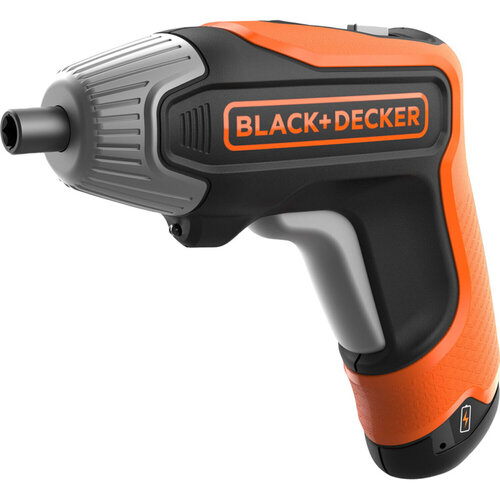
Black & Decker 3.6V USB Screwdriver - 3.6V
3.6V cordless screwdriver with 5.5Nm torque, USB charging and storage case
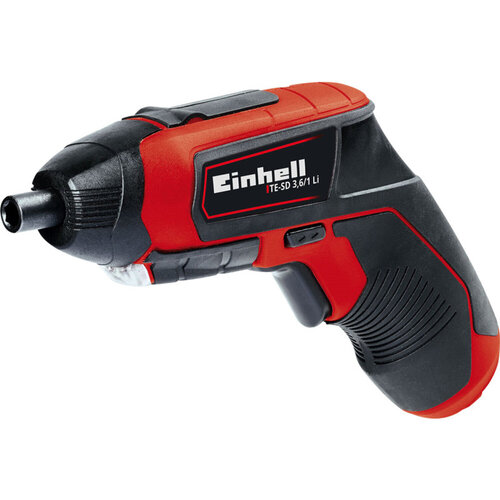
Einhell 3.6V Cordless Screwdriver - Integral 1.5Ah
3.6V cordless screwdriver with LED light, bit set, and metal case
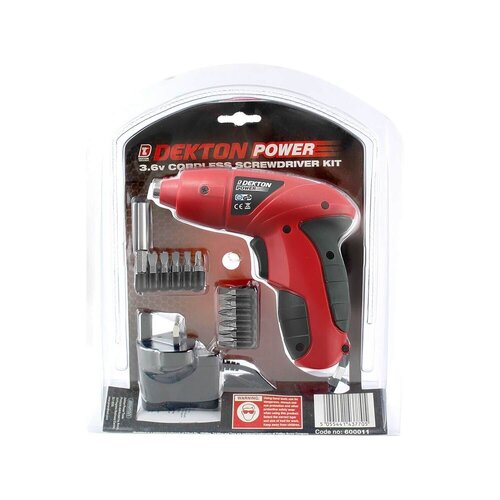
Dekton 600011 3.6V Ni-MH Cordless Screwdriver - Red
Dekton 3.6V Ni-MH cordless screwdriver kit, 13 pieces, red
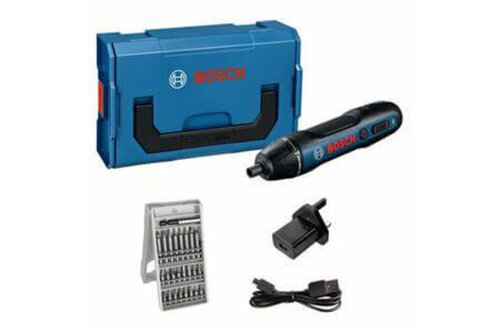
Bosch Go 3.6V Screwdriver - L-Boxx Mini, 25 Piece AC Set, 1 PH2 Bit, UK Plug Ada…
3.6V cordless screwdriver with USB charging and dual-activation
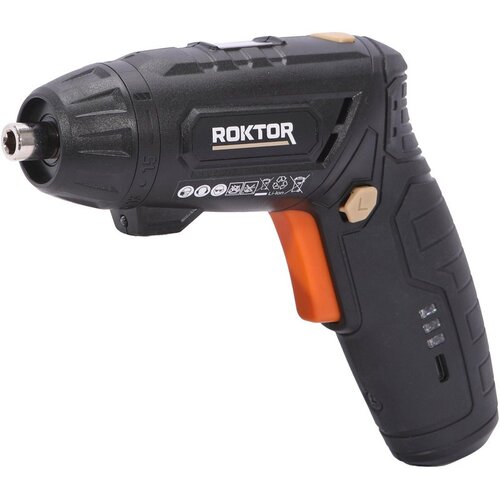
ROKTOR 3.6V Cordless Screwdriver with 45pc Accessory Kit - 1 x 2.0Ah
3.6V cordless screwdriver with 45-piece accessory kit
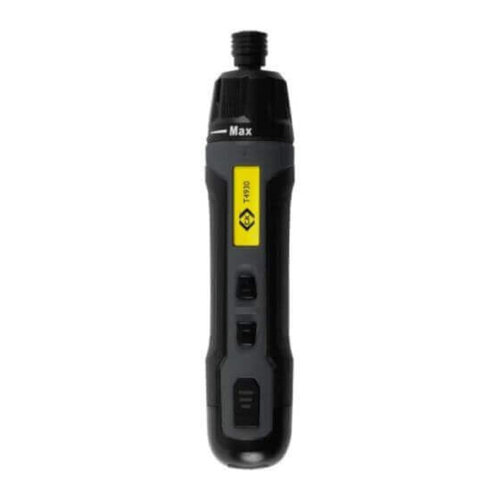
C.k Tools Electric Screwdriver USB-C Rechargeable with Torque Adjustment - 3.6V
USB-C rechargeable electric screwdriver with adjustable torque, 3.6V
For the Trade
Start with where you’ve got room to work and how the tool will be used. That narrows it quickly. On tight fixings or repeat assembly, electric screwdrivers save you dragging a drill in and out. A cordless screwdriver makes more sense when you’re moving round the job and don’t want a lead in the way. A corded screwdriver only earns its keep when you’re set up at one bench and want constant run time. Mini and precision models suit small fixings, where a full-size tool just gets in the way.
Electric Screwdriver Types and Layouts
If you’re choosing between electric screwdrivers, start with how much control you need against how much speed you want. A cordless screwdriver suits work where you move around the job and do not want a lead in the way. A corded screwdriver makes more sense for bench work or long runs where charging is not the point.
Mini and precision electric screwdriver options suit lighter fixings and small assemblies. You give up some torque and reach. Compared with the rest of Power Tools, this is the part of the range where handling and repeat use matter more than brute force.
What to Check Before You Buy
Space and size are the first call. A mini electric screwdriver earns its keep where the footprint is small and the fixings are light, but you give up reach and some control on longer runs. If you’ve got room on the bench and the job is repetitive assembly or cabinet work, a fuller cordless screwdriver is the better pick because it sits more naturally in the hand and is less cramped after a few hundred screws.
If the job leans more towards adhesive or heat work than fixing, move over to Glue & Heat Guns. When the screws are bigger or the material is tougher, Impact Drivers & Wrenches is usually the better shout.
Useful Alongside Electric Screwdrivers
Once you’ve picked the screwdriver, the next call is what else needs to go in with it. On a fit-out, that usually means the finishing items that hold the job up if they’re left to the end - panels, screens, storage and the finishes around the fixing points.
If you’re working to a tight programme, order the consumables and any matching fixings at the same time. The call-back is usually for the small missing bits, not the main tool. A compact cordless screwdriver earns its keep where furniture or screens leave you little room to work.
Related searches
Local availability for Electric Screwdrivers






