Loft Ladders
Loft ladders are usually chosen around hatch size, headroom and how often the space gets used, because that changes the spec most. Wooden loft ladders suit a more permanent fit where the opening and fixing allow it. Aluminium loft ladders are lighter to handle and often easier when access is tight.
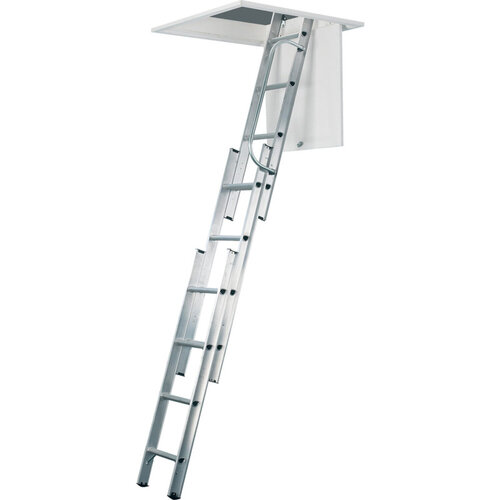
Werner 3 Section Loft Ladder & Handrail
3-section aluminium loft ladder with handrail, 150kg load, up to 3m
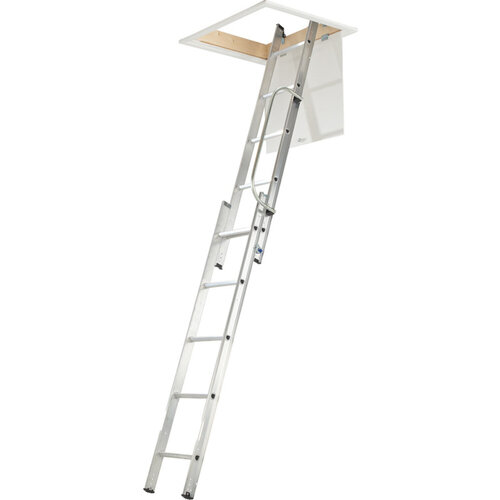
Werner 2 Section Loft Ladder & Handrail
Aluminium 2-section loft ladder with handrail, max height 2.69m, 150kg capacity
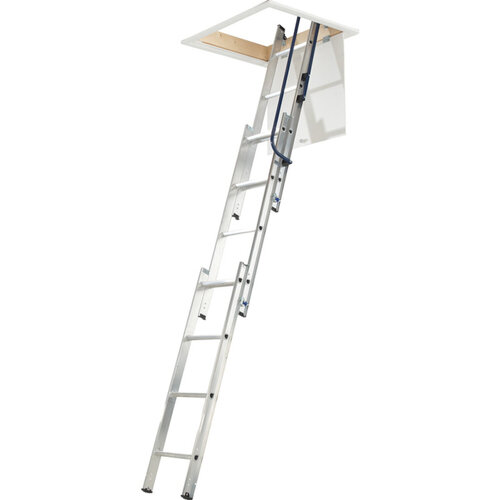
Werner 3 Section Easystow Loft Ladder & Handrail
3-section aluminium loft ladder with handrail, suits heights up to 3m.
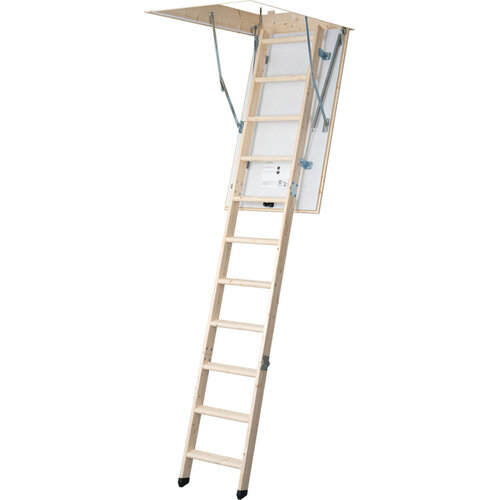
Werner Timberline Loft Ladder Kit - 1.13m x 0.55m x 0.28m
Timber loft ladder kit with insulated trapdoor, for heights up to 2.85m
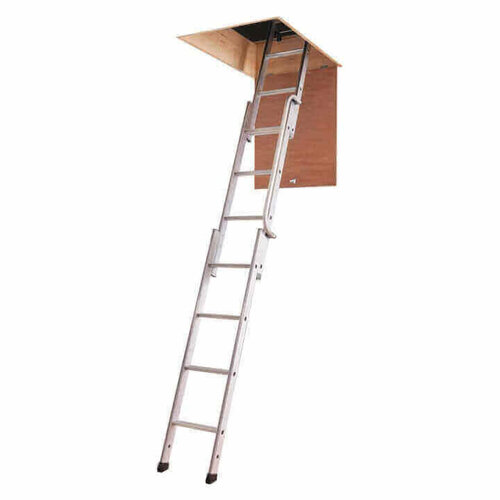
Easiway 3 Section Loft Ladder Max Floor to Floor - 3.0m
Sliding 3-section aluminium loft ladder for heights up to 3m, with handrail
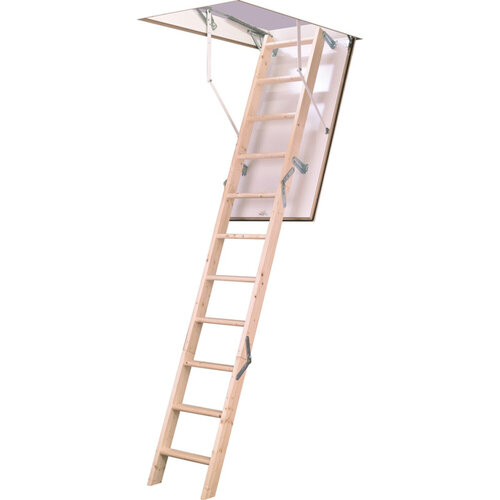
TB Davies Eurofold Wooden Loft Ladder
Wooden loft ladder with insulated trapdoor and frame seal, fits UK joists
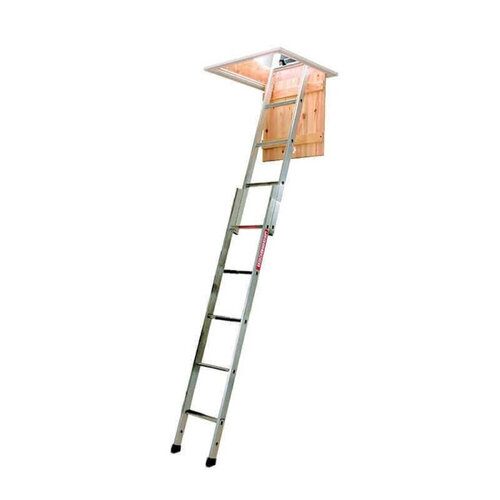
Werner Spacemaker 2 Section Sliding Loft Ladder - 2.6m
Aluminium sliding loft ladder, up to 2.6m height, wide slip-resistant steps, eas…
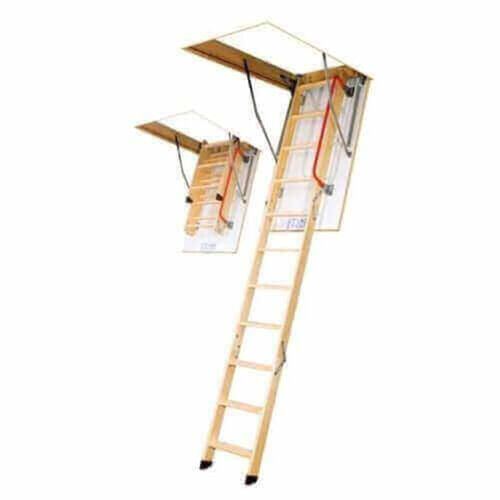
Fakro Comfort Loft Ladder - 55cm x 111cm
Insulated pine loft ladder, 550mm x 1110mm, max load 160 kg
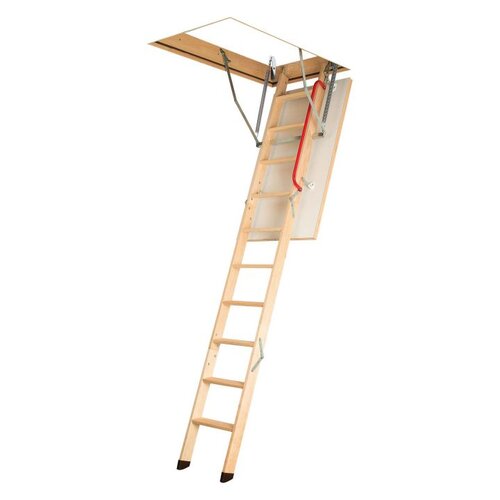
Fakro 3 Section Wooden Loft Ladder FSC® - 550 x 1110mm
Fakro 3-section FSC® wooden loft ladder, 550 x 1110mm, extends to 2.8m with insu…
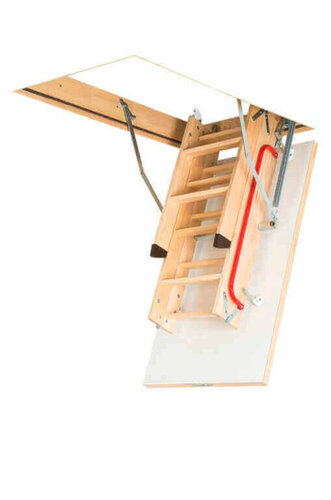
Fakro Komfort Loft Ladder - 60cm x 120cm
Folding loft ladder, 600mm x 1200mm, for convenient loft access.
For the Trade
If the hatch size and headroom are fixed, the next question is how often you’re into the space and how much room you’ve got around the opening. For regular access, you want loft ladders that feel solid underfoot and don’t take more clearance than the job allows. A wooden loft ladder can make sense where a firmer feel matters. An aluminium loft ladder is often the lighter option when handling is tighter. Most call-backs come from jobs where the ladder looked fine on paper but didn’t suit the opening or the way the loft is actually used.
Loft Ladder Options Compared
Fixed-section loft ladders suit straightforward openings where you want a simple fit and fewer moving parts to worry about.
Folding and telescopic styles come into play when access is tighter or the hatch position makes a straight drop awkward. You give up a bit of simplicity, and you usually pay for the extra mechanism.
Wooden loft ladders are the usual call where a firmer, more traditional setup is wanted. Heavy duty loft ladders make more sense on busier jobs or where the ladder will see harder use.
If you’re comparing the wider range, Ladders & Platforms is the parent hub.
Choosing Materials and Size
Material is where the choice usually tightens up. A wooden loft ladder gives a firmer, more traditional feel underfoot. An aluminium loft ladder is lighter to handle and easier when you are lifting it into place or working through a tighter hatch.
Choose aluminium when weight matters more than a solid timber feel. It can feel less substantial in use, but it is easier to move and fit. If you are pricing the job properly, do not stop at the ladder itself - check Ladder Accessories at the same time, because the wrong hatch kit or fittings is what usually causes the call-back. If the opening is awkward or the access is being upgraded, Access Towers may be the better route altogether.
Completing the Setup
Once the loft ladders are chosen, the next call is usually the hatch and the finish around it. A decent insulated hatch panel matters where the loft is used regularly, because a draughty lid gets noticed fast and tends to come back as a complaint.
If the opening is being boxed out or tidied, keep an eye on the trim and storage access around it so the ladder is not fighting a cluttered landing. On a bigger access job, the surrounding work often decides whether you stay with a simple hatch or move into a more complete access setup.
Related searches
Local availability for Loft Ladders





