Taps
The main choice with taps is usually the job, not the finish. Mixer taps suit most standard basin and sink setups because they keep the spec simple. Pull out taps or swivel taps make more sense where reach and clearance matter at the sink. Utility taps suit rougher jobs and heavier use. Tap fittings and tap accessories matter when you’re replacing like for like or keeping the install moving without extra trips back.
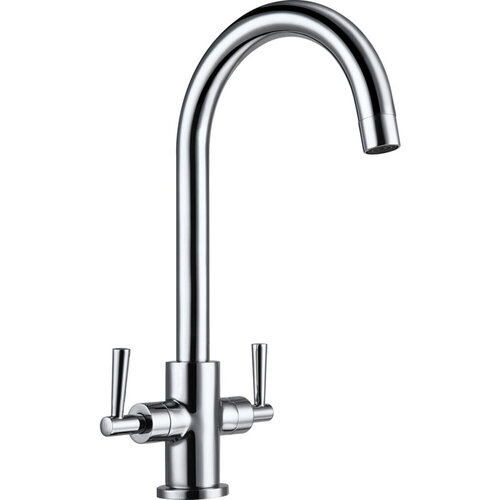
Deva Newton Mono Mixer Kitchen Tap - Chrome
Polished chrome kitchen mixer tap, 331mm height, WRAS approved
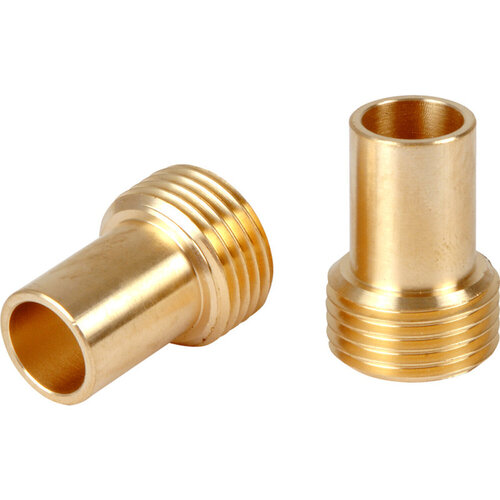
Tap Tail Adaptors - 15mm x 3/8" 2 Pack
Brass tap tail adaptor pair for 15mm isolator valves, 3/8" size
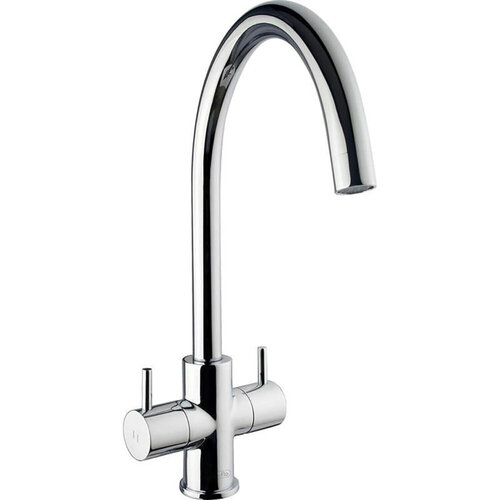
Ebb and Flo Castell Mono Mixer Kitchen Tap
Chrome kitchen mixer tap with swivel spout, brass body, WRAS approved
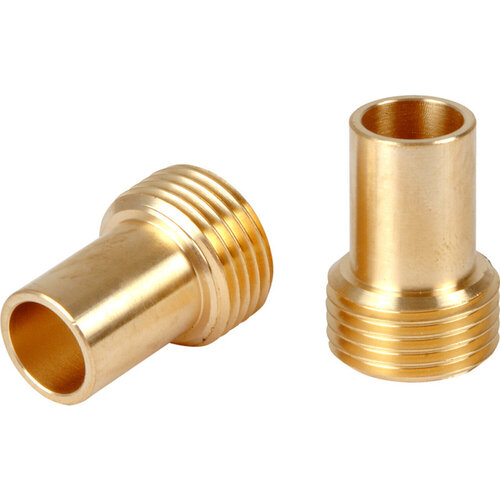
Tap Tail Adaptors - 15mm x 1/2" 2 Pack
Brass tap tail adaptor pair for 15mm isolator valves, 1/2" size
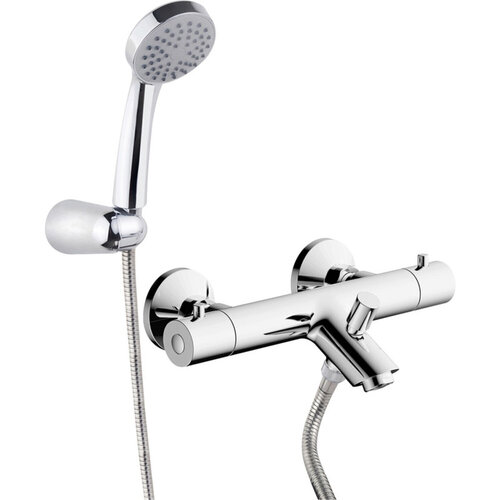
Ebb and Flo Thermostatic Bath Shower Mixer Tap
Thermostatic bath shower mixer tap with polished chrome finish and shower handse…
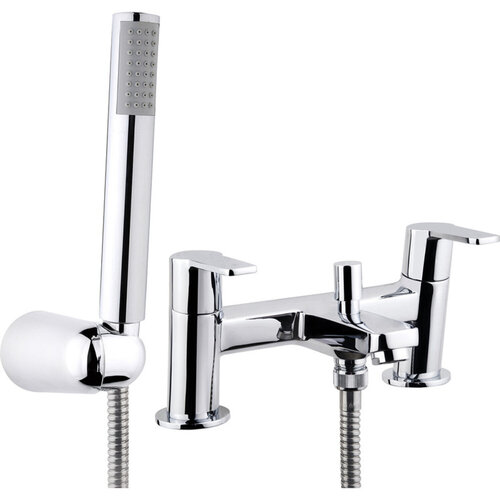
Ebb + Flo Kilve Taps - Bath Shower Mixer
Chrome bath shower mixer with handset, WRAS approved, brass construction
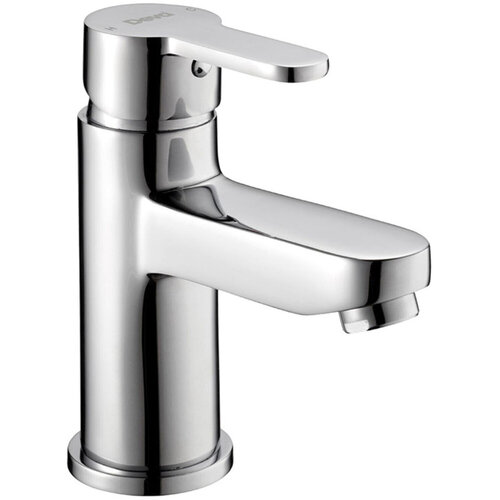
Deva Ethos Taps - Cloakroom Basin Mixer
Chrome cloakroom basin mixer tap with single lever and ceramic cartridge
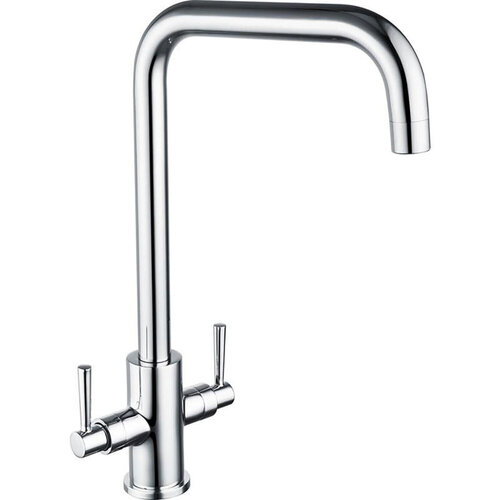
Deva Walton Mono Mixer Kitchen Tap
Polished chrome brass kitchen tap with square spout
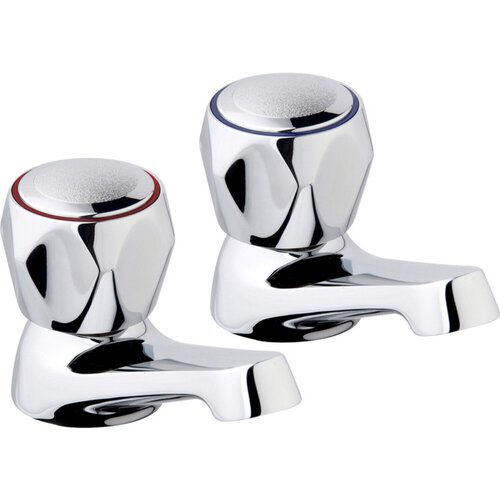
Ebb + Flo Contract Taps - Basin Pillar 2 Pack
Polished chrome basin pillar tap pair, brass body, WRAS approved
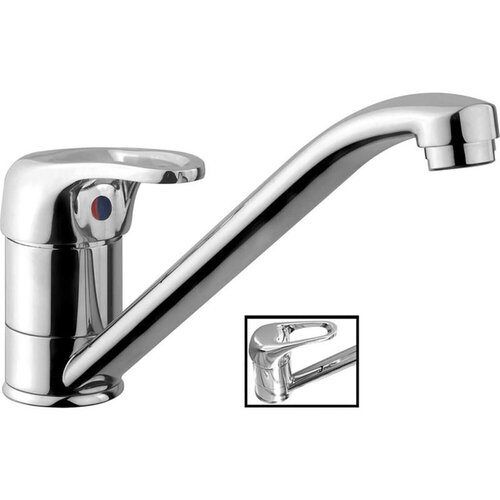
Ebb and Flo Chesil Mono Mixer Kitchen Tap
Polished chrome kitchen mixer tap with swivel spout, WRAS approved
For the Trade
Start with space and how the tap will be used, then the rest of the spec follows from there. A compact basin or tight sink run usually rules out anything with a long reach or a bulky body. A wider deck gives you room for mixer taps, swivel taps or extra tap accessories without crowding the area. Pull out taps earn their keep when you need easy reach over a deep bowl. For a straight replacement, keep it simple and put the money where it matters. If you’re working from the wider Bathrooms & Kitchens range, that first layout check cuts the list down fast.
Bathroom Taps
Bathroom Taps usually come down to the basin, the fixing holes and how much reach you need over the bowl. If you’re replacing like for like, check the existing tap centres first. Then see whether the deck will take a standard mixer or something with a different footprint.
A swivel spout helps where the basin gets used hard. It is not the right call on a tight run if overspray is already a problem. For a narrower buy within this range, Bathroom Taps is where you go when the spec is fixed and you just need the right pattern, fittings and finish without changing the rest of the set-up.
Bidet Taps
Bidet work usually comes down to outlet position and how much control you want at the point of use. Some jobs only need a compact set-up. Others need a neater match to the room or a bit more give at the fitting end.
The usual mistake is treating them like ordinary taps and then finding the hose, fixing or reach is wrong for the basin arrangement. If you need the narrower buy in this range, see Bidet Taps. That’s the line to look at when the spec calls for this exact use rather than general bathroom taps.
Commercial Taps
For hard-used wash areas, you’re usually choosing Commercial Taps for durability and control rather than looks. They suit constant use, rough handling and frequent cleaning, where domestic taps tend to show wear first.
You may give up some styling choice, and sometimes a lighter feel at the handle. In return, you get a tap built for repeated use and easier maintenance. For a standard basin or kitchen fit, the other tap ranges are usually the better spend.
Kitchen Taps
Kitchen taps usually come down to how much reach you need over the sink and how much movement you want at the spout. A mixer tap is the common pick when you want simple control and a cleaner deck.
Pull out taps earn their keep when you’re filling awkward pans or rinsing a bigger bowl. Swivel taps suit wider sinks because the extra movement helps, but they can feel loose if the fitting is poor.
Utility taps are the rougher option when function matters more than finish. Tap fittings and the right accessories matter as much as the tap itself. A good tap can still be the one that gets called back if the connections are wrong.
Reviver Kits & Tap Spares
When a set of taps is beyond a simple cartridge swap, Reviver Kits & Tap Spares let you keep the existing body in service rather than replacing the lot. That suits jobs where the finish still works and the fault sits in the working parts, not the tap itself.
You trade a lower parts cost for the time spent matching the right components. That is where mistakes happen - the wrong fittings or the wrong stem and you are back to square one. If the tap body is worn, cracked or badly pitted, new taps are the cleaner answer.
Selection Factors for Taps
Start with how the tap will be used, then check the fixing and the reach. A mixer tap is usually the cleanest answer when you want one control and a straightforward fit.
Pull out taps earn their keep when the sink is awkward to fill or rinse. You gain reach, but you give up a bit of simplicity in the head and hose.
Swivel taps suit wider bowls and shared sinks because the spout movement helps day to day use. They do need more room, and a poor spec can feel loose.
For rougher or more exposed jobs, utility taps are the sensible call because they put function ahead of finish. If the job needs extra support around access or control, Assisted Living is the next place to check.
Finish the Room
Once the tap’s picked, the next order is usually the bits around it - wastes, traps, valves, flexi tails and matching finish parts. Jobs get held up when you’ve only ordered the visible tap.
On a basin or sink swap, check the existing connections first. A neat tap can still need extra fittings if the centres, thread or reach don’t line up.
If the room’s being refreshed as well, sort the surrounding finish at the same time. It saves a return visit for a small part that should have gone in with the first order.
Related searches
Local availability for Taps















