Toilet Flush Buttons
For most jobs, the first choice is between a simple mechanical button and a pneumatic one when the cistern side needs more flexibility. Dual flush toilet buttons are usually the default where the spec calls for water-saving control. Single flush toilet buttons still suit straightforward mechanisms where fewer moving parts matter. Chrome, white, round or square all come down to the front plate and the cistern setup, because the wrong button style is what causes call-backs.
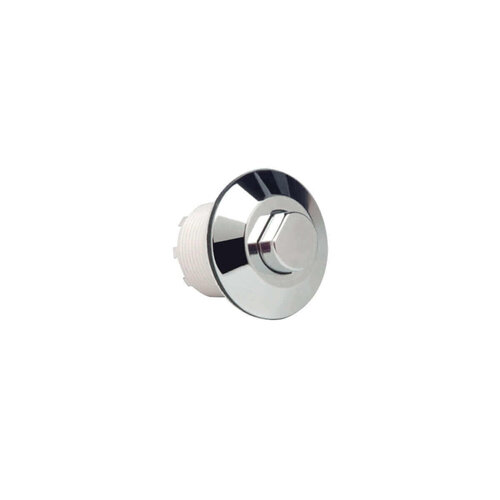
Grohe Adagio Air Button - Chrome
Chrome air button for Grohe Adagio concealed cistern, StarLight finish
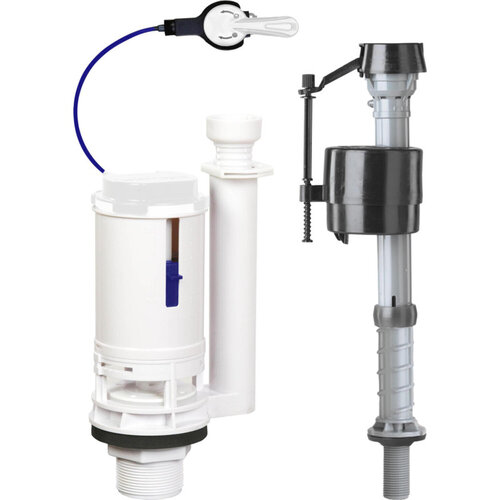
Fluidmaster Dual Flush Lever Cistern Pack
Dual flush lever cistern pack with adjustable water-saving flush volumes
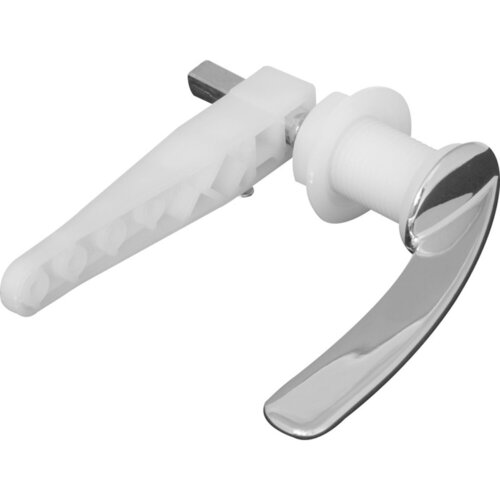
Cistern Lever E Type - 88mm Spindle
E Type cistern lever with 88 millimetre spindle and plastic arm
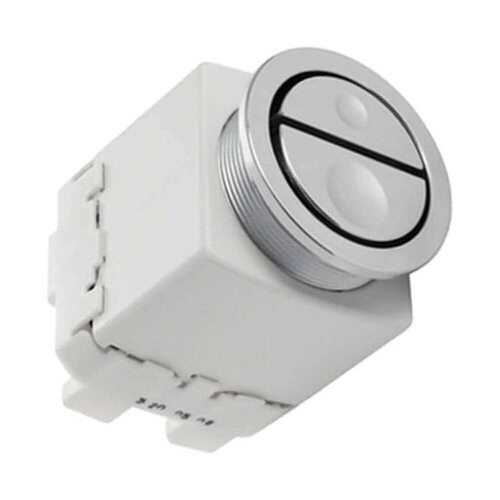
Geberit Pneumatic Dual Flush Toilet Push Button
Geberit pneumatic dual flush wall-mounted toilet push button
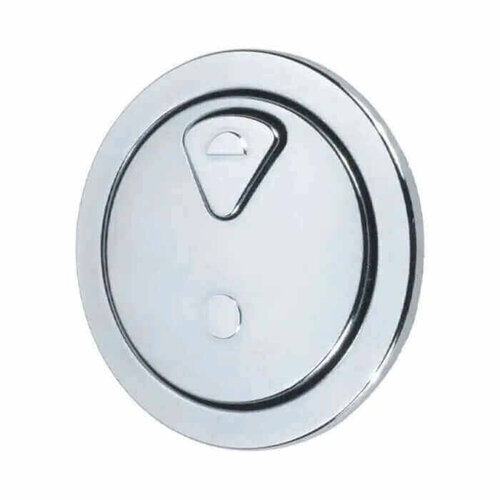
Dudley CP Round Dual Flush Pushbutton - 73.5mm Chrome Plated
73.5mm round dual flush pushbutton, chrome plated, pneumatic operation
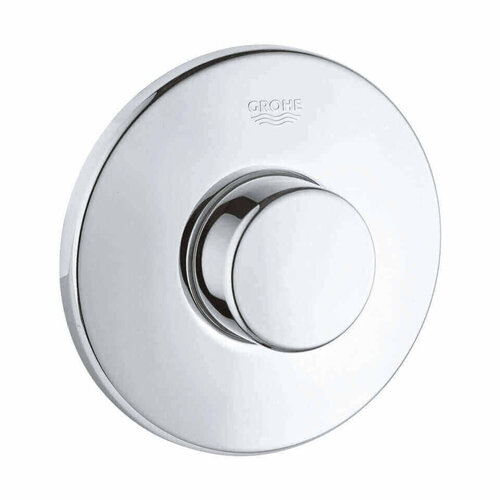
Grohe Single Flush Air Push Button - Chrome
Chrome push button with mechanical activation for pneumatic flush valves.
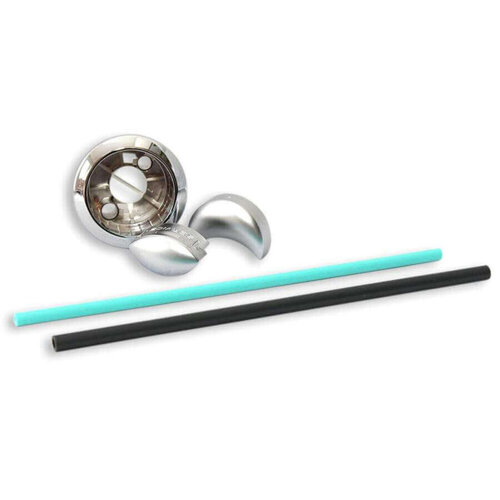
Geberit Impuls 250 Twico-1 Dual Flush Button
Geberit Impuls 250 dual flush button, chrome, includes fixing bolts and washer
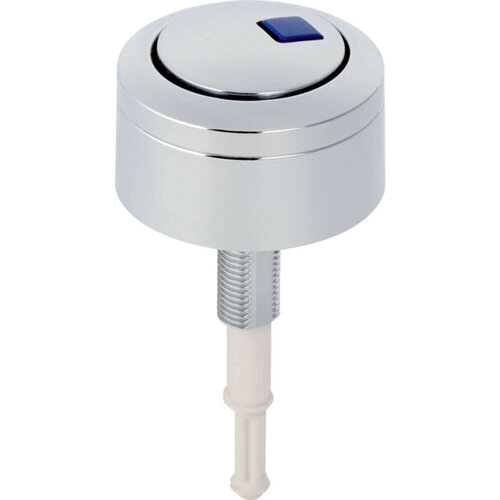
Geberit Type 280 Dual Flush Actuator Push Button
Geberit Type 280 dual flush actuator in polished chrome/blue
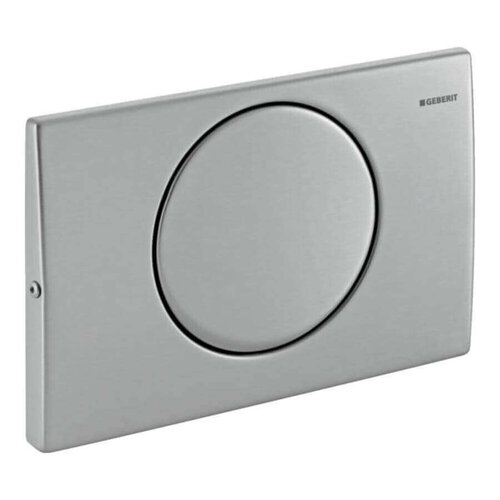
Geberit Delta10 Single Flush Plate - Brushed stainless steel
Geberit Delta10 single flush plate with brushed stainless steel finish.
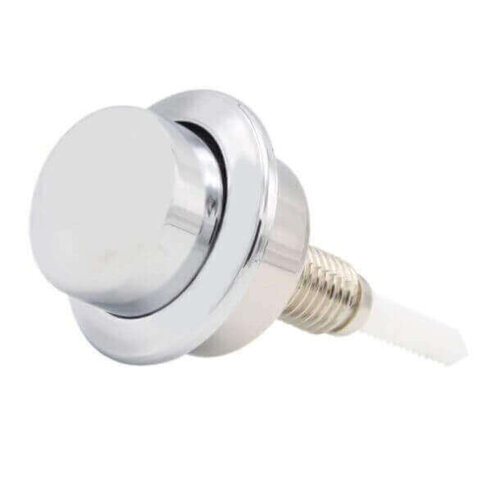
Siamp Optima 49 Raised Replacement Single Flush Push Button - Chrome
Siamp Optima 49 raised chrome single-flush push button
For the Trade
Start with the space you have and how the cistern will be used. On a tight panel or in a busy washroom, button layout and fixing depth matter more than finish. A neat faceplate is no use if it clashes with the cistern set-up. If the job needs a cleaner front with less visible hardware, concealed cistern flush buttons usually make more sense. If access and straightforward replacement matter more, a simple mechanical option is usually the one to go for. Finish comes after that. Chrome or white only matters once the operating style is right.
Toilet Flush Button Types and Layouts
Mechanical and pneumatic are the main split for toilet flush buttons. Mechanical buttons suit straightforward cisterns because the action is direct and there’s less to go wrong. Pneumatic flush buttons work better where the cistern layout needs more flexibility at the face, but they add another operating method to account for.
Dual flush toilet buttons are the usual choice where the cistern supports them. They give you the two-button setup most commercial installs expect. Single flush toilet buttons still have a place on older or simpler gear when you want a cleaner, less complex fit.
After that, the decision is mostly finish and shape. Chrome toilet flush buttons suit a harder-wearing look. White toilet flush buttons blend in. Black toilet flush buttons or square faces fit where the rest of the washroom already follows that line. Round toilet flush buttons keep to the more familiar layout.
If you’re matching the wider washroom hardware, keep the parent Commercial range in mind so the button sits with the rest of the job.
What to Check Before You Buy
For toilet flush buttons, start with the cistern set-up and how much room you’ve got behind the front panel. Get the wrong mechanism or fixing depth and you’ll be back to swap it.
If the cistern is concealed and you want a cleaner front, a flush plate is the usual pick. If the spec is simpler, a basic push button keeps the job straightforward. Dual flush toilet buttons suit jobs where you want two flush options. Single flush toilet buttons are the simpler fit. Pneumatic flush buttons come into play where the setup calls for air operation, while mechanical flush buttons suit a direct push.
Finish usually follows the rest of the fittings. Chrome toilet flush buttons work where the other ironmongery is exposed. White toilet flush buttons sit back better on plain sanitaryware. Black toilet flush buttons are the darker option when that’s what the room calls for.
If you’re also sorting the wider washroom fit-out, Commercial Basins and Commercial Extractor Fans are usually the next checks.
Useful Alongside Toilet Flush Buttons
Once you’ve picked the button, the next call is what sits around it. A flush plate behind a panel needs a clean face and enough access to the cistern set-up. In exposed washrooms, it should sit neatly with the rest of the ironmongery.
If the room’s being finished at the same time, check the surrounding panels and wall finish before you sign off the button. That’s where most comebacks start. If the spec runs beyond the WC, line up the adjacent items too, such as commercial basins and commercial extractor fans, so the washroom lands as one job rather than a string of fixes.
Related searches
Local availability for Toilet Flush Buttons








