Sliding Door Gear
When you're choosing sliding door gear, start with the door weight and how often it'll be used. Lighter internal doors usually get by with standard sliding door track and rollers. Bigger leaves need heavier sliding door hardware and hangers that won't chatter or wear quickly. The track or rail matters as much as the door itself, because a cheap runner is often where the problems start.
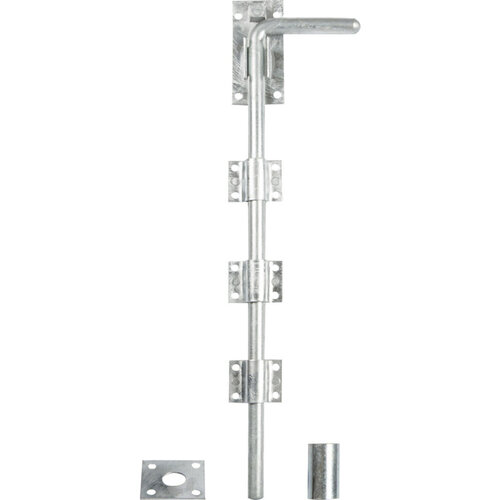
Gatemate Garage Door Drop Bolt - 450mm Galvanised
Galvanised 450mm drop bolt to secure garage doors or garden gates to the ground.
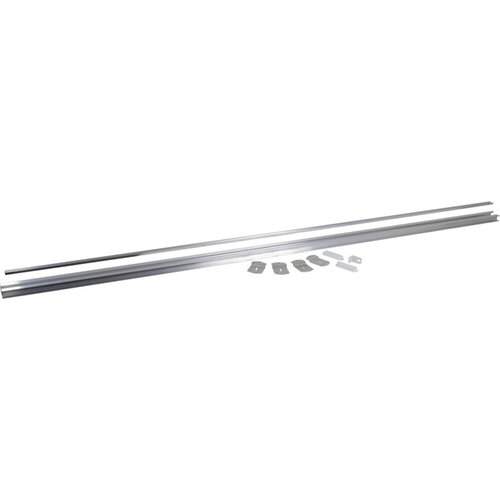
Wardrobe Door Gear - 1828mm
1828mm wardrobe door gear for built-in storage, max 20kg per door
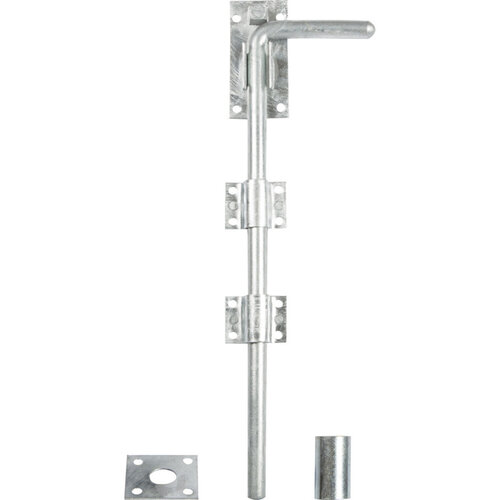
Gatemate Garage Door Drop Bolt - 300mm Galvanised
Galvanised steel drop bolt, 300mm length, secures garage doors or gates to groun…
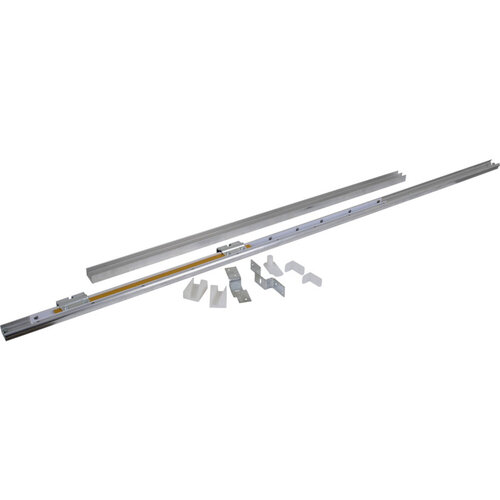
Sliding Door Gear - 762mm
Aluminium sliding door gear for internal doors up to 35 kg
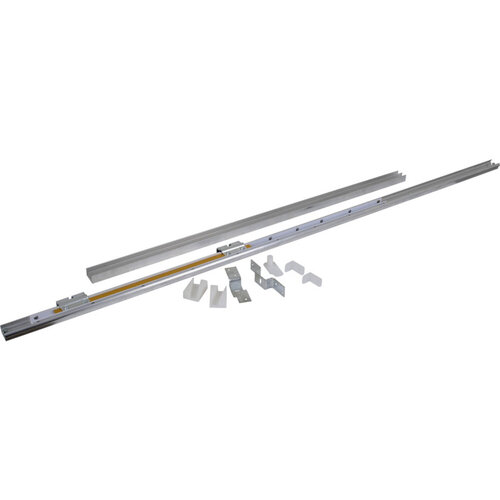
Sliding Door Gear - 914mm
914 mm sliding door gear for internal doors up to 35 kg
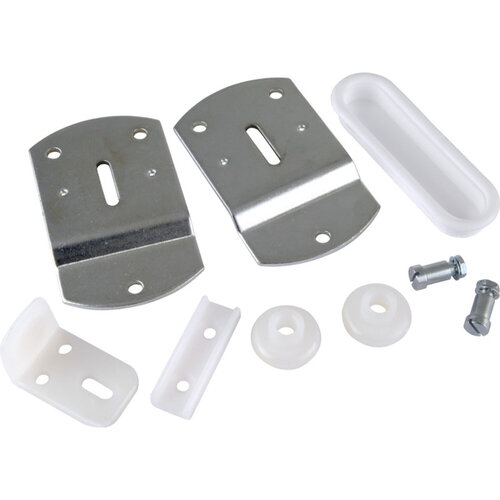
Wardrobe Door Gear - Extra Wheel Set
Extra wheel set to convert Slik wardrobe gear to 3-door system, 20kg per door
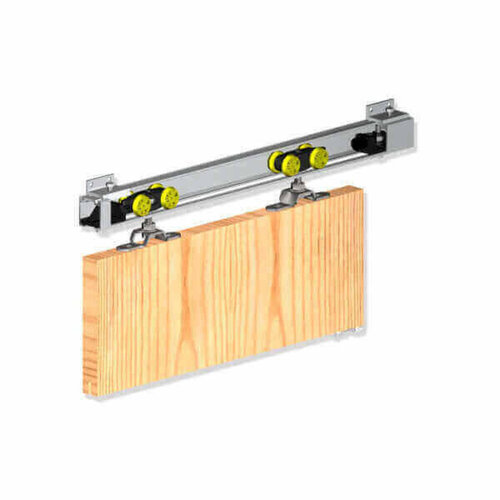
Rothley Herkules 60 Sliding Door Kit - 1500mm, 1 x 750mm door panel, max weight …
Sliding door kit for up to 60kg, 1500mm length, 750mm panel
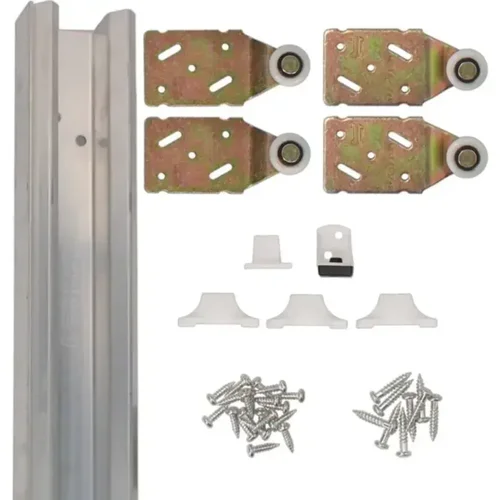
Henderson W24 Double Top Double Track Sliding Door Gear - 2400mm
2400mm double top double track sliding door gear.
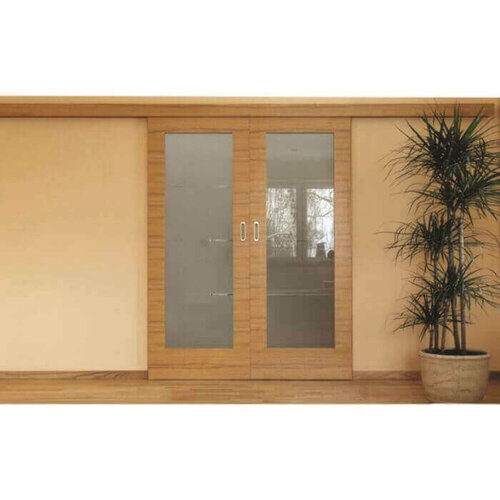
Henderson Marathon J5 Door Gear - 1200mm
Marathon J5 sliding door gear, 1200mm length
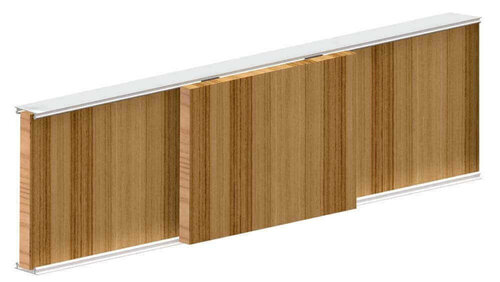
Rothley Ares2 Kit for 3 Doors - 2000mm
Rothley Ares2 kit for 3 doors, 2000mm length.
For the Trade
Start with the space you’ve got and how the door will be used, then the rest falls into place. If the opening is tight or the door will be used all day, you’re usually looking at sliding door gear with a better track and runners, because that’s where noise and wear show up first. For a lighter internal job, standard sliding door hardware is normally enough and keeps the spec simpler. Finishes and extras come after that. The jobs that get called back are the ones where the layout was guessed at and the running gear was chosen last.
Popular Sliding Door Gear Formats
Most of the choice comes down to how the door is carried and how much adjustment you want on the day.
A basic sliding door track with rollers suits straightforward internal work. It gives you a simple run and fewer parts to go wrong.
Sliding door rail and runners are the better call when you need a steadier feel and more control over movement, especially on doors that get used hard. Heavy duty sliding door gear is worth the extra spend where the door is heavier or the opening sees constant use. You get a firmer run, but you give up some of the cheap-and-cheerful simplicity.
If you’re matching the rest of the job out of Ironmongery, keep the hardware style consistent so you’re not mixing systems for no reason.
Key Differences When Choosing
What changes the buy most is the door itself and how often it moves. For a lighter internal leaf, standard sliding door gear is usually enough. Once the door is wider, heavier, or in daily use, you need better runners and a track that stays true.
A rail system gives a steadier run than cheaper fittings. The trade-off is more care over alignment and fixing. If the job is exposed or part of a tougher external setup, look at Outdoor Hardware as well. For matching ironmongery on the adjacent opening, Window Furniture is the next stop.
Next Decisions After Choosing
Once you’ve picked the sliding door gear, the next call is what the door runs against and how the opening gets finished. A poor leaf shows up in the track straight away, and that is where the call-back comes from.
If the opening sits within a fitted run, sort the surrounding storage and wall finish at the same time. It keeps you from forcing the rail position round later work. For exposed openings, the adjacent ironmongery often needs lining up too, especially where you are tying into outdoor hardware or window furniture on the same job.
Related searches
Local availability for Sliding Door Gear




