Siliconing Tools
Siliconing tools come down to the joint you’re finishing and how much adjustment you want before it skins over. A simple silicone smoothing tool is usually the pick for straight runs and repeat work. A silicone profile tool gives you a cleaner, more consistent finish on visible joints when the bead and backing are both right. Softer sets work more easily into awkward corners. Firmer ones hold their shape better and are less likely to drag material out of the joint.
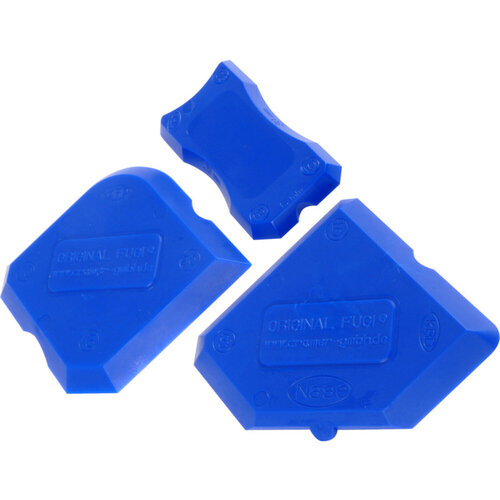
Cramer Fugi Profiling Tool Set - 16 Shapes 3 Piece
3-piece profiling tool set for smoothing sealant with 16 profile shapes, 5-16mm …
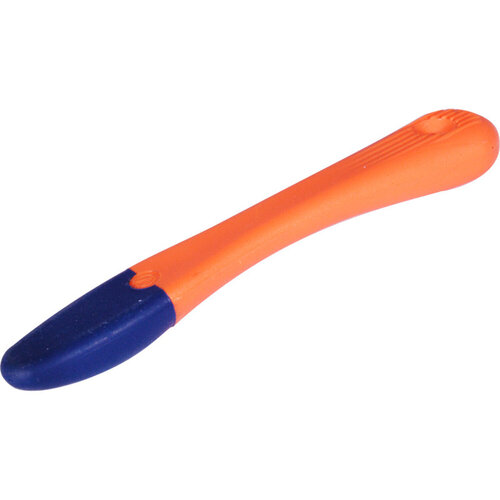
Vitrex Silicone Sealant Smoother
Smoothing tool for silicone sealant beads and tile grout lines
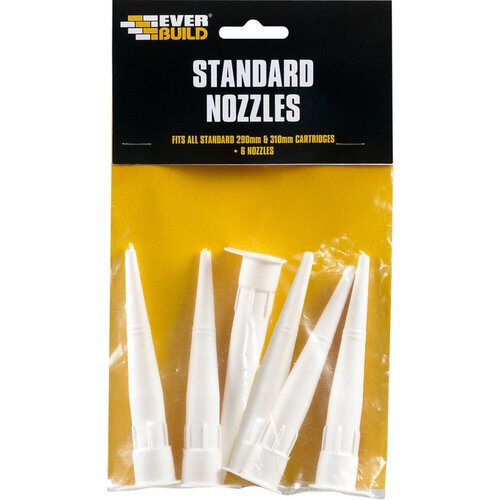
Everbuild Spare Cartridge Nozzles - 6 Pack
Standard replacement cartridge nozzles, pack of 6
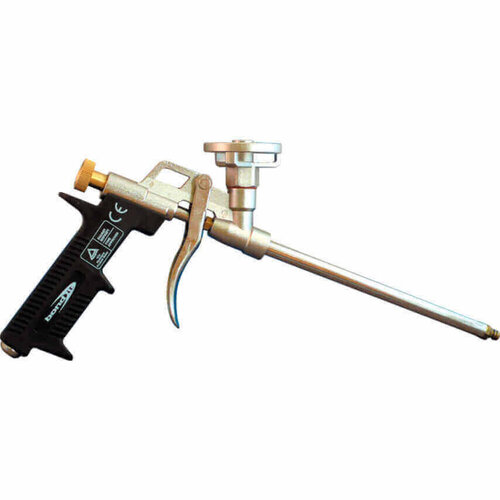
Bond IT Professional PU Foam Gun
Professional metal PU foam gun with TUV safety classification
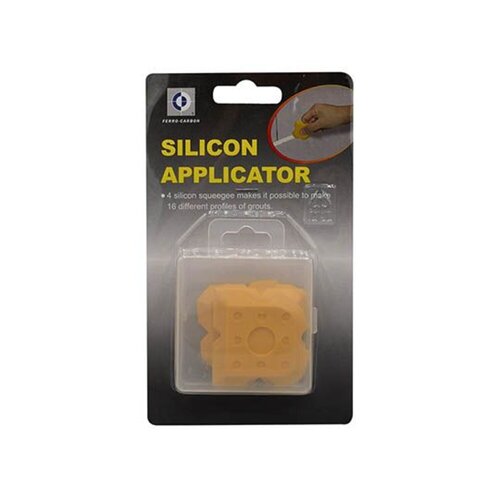
Silicone Tool Applicator Professional Set - Yellow 4 Pack
4-piece yellow plastic silicone applicator set for smooth, professional joints
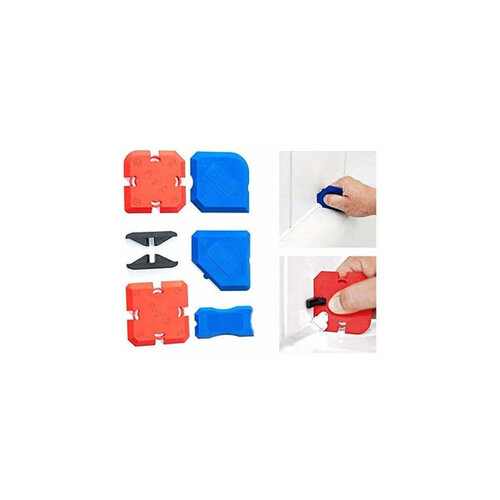
Cramer Fugi 5 Kit Grouting & Silicone Profiling & Applicator Tool Kit
Kit for grouting and silicone profiling and application, for sealants and caulks
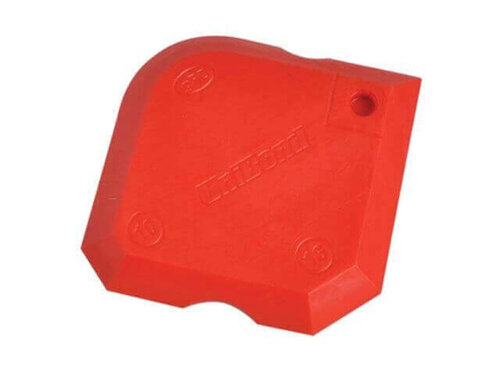
Unibond Sealant Finishing Tool
Sealant finishing tool for a smooth finish without masking tape
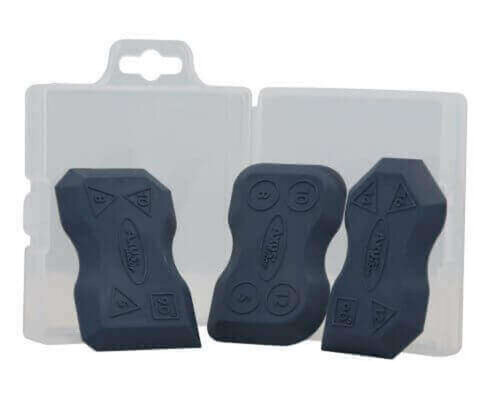
Axus Decor Sealant Applicators Onyx Series - 3 Pack
3-piece sealant applicator set for applying and finishing sealant
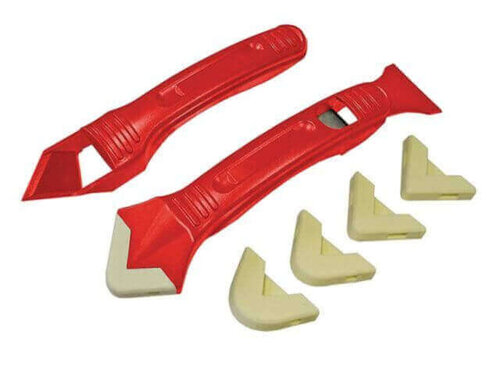
Faithfull Silicone Remover & Finisher Tool - 2 Piece Set
2-piece set for professional silicone and grout finishing, with five profile rad…
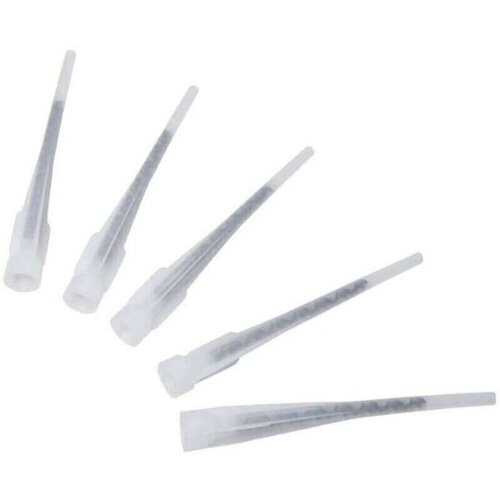
Mixing Nozzles Sealing Resin - 5 Pack
Pack of 5 white static mixing nozzles for resin cartridges
For the Trade
What usually decides it is the joint, the finish you’ve been asked for, and how much room you’ve got to work. For straight, repeatable runs, siliconing tools with a flatter edge are usually quicker to keep consistent. On tighter details or visible work, a silicone smoothing tool with a cleaner profile gives you more control, but it will show up any uneven prep. If you’re doing mixed jobs, a silicone applicator tool or a small set is often the safer buy because one shape rarely suits every bead. Cheap ones flex at the wrong moment and leave you chasing the line.
Siliconing Tool Options Compared
A siliconing tool with a flatter edge suits long, even joints where you want a consistent profile and less tidying back. A more flexible silicone smoothing tool works better when the line changes direction or the joint isn’t perfectly uniform, because it follows the work more closely. The trade-off is speed on dead-straight runs.
A silicone applicator tool helps keep the bead controlled before finishing, especially on visible work where a rough start shows straight away. If you’re only buying one, start with the joints you do most, then work back from the finish you need to leave. For the full range, start with Sealants, Silicones & Tools.
Choosing Materials and Size
Material usually matters more than the badge on the pack. A softer silicone applicator tool gives you more give around awkward details and mixed joints. A firmer silicone finishing tool holds its shape better on longer, cleaner runs, so it’s less likely to wander when the bead is even.
If you’re moving between widths, a silicone smoothing tool with a bit more flex is often the one to reach for. You lose a bit of crispness on a dead-straight finish.
For decorative work, Decorators Caulk is the next stop. For kitchen jobs, Worktop Joint Sealants is the more relevant call.
Completing the Setup
Once you’ve picked your siliconing tools, the next call is usually what’s going around the joint. Panels and screens need a finish that stays neat against the edge. Storage and furniture often leave you working into tighter corners where a bulkier tool just gets in the way.
If the run is visible, a silicone smoothing tool with a cleaner profile is usually the one you reach for. If the finish is less critical, a simpler siliconing tool does the job. On kitchens and bathrooms, the surrounding edge matters as much as the bead. A tidy joint still looks wrong against a poor finish.
Related searches
Local availability for Siliconing Tools









