Electric Radiators
Electric radiators usually come down to three things: where they’re going, how much wall space you’ve got, and whether you need fixed heat or something more portable. A slim panel suits tight runs and cleaner layouts, while a bathroom-rated unit is the one to look at where moisture matters. For tighter control, choose an electric radiator with thermostat rather than a basic on-off model. It gives you a better handle on rooms that run too hot or too cold.
Atlantic Horizontal Digital Convector F127 Programmable - 1500W
1500W horizontal digital convector with programmable settings
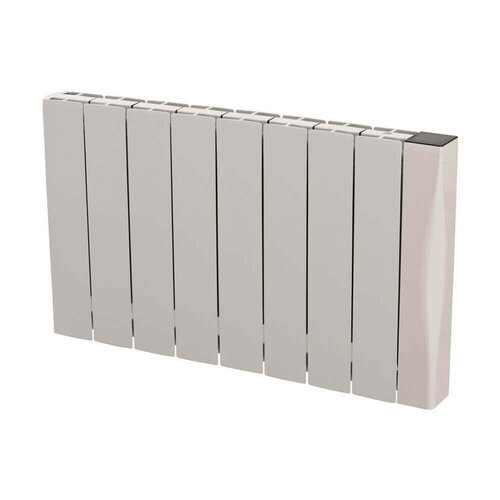
Oil Filled Digital Radiator with Wi-Fi Control - 2000W
2000W oil-filled digital radiator with Wi-Fi control and LCD touch screen
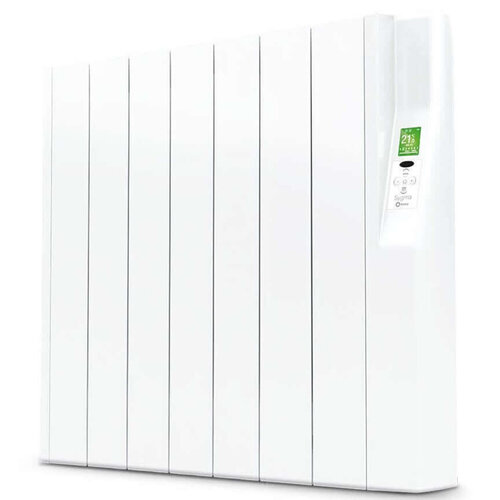
Sygma Electric Radiator - RAL9016 - 770W - 7 Elements - White
Rointe Sygma electric radiator, 770W, white, with 24/7 programming
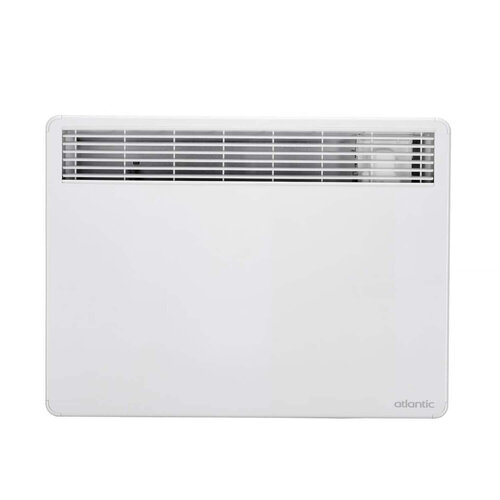
Atlantic Electric Panel Heater - 1250W White
1250W white electric panel heater with open window detection
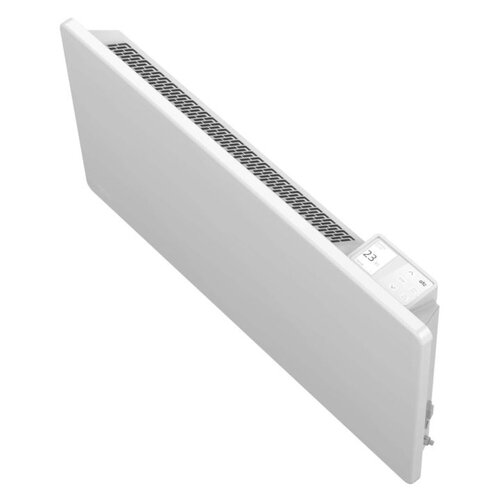
ATC Almeria ECO Electric Digital Panel Radiator - 2000W White
2000W white digital electric panel radiator with programmable thermostat
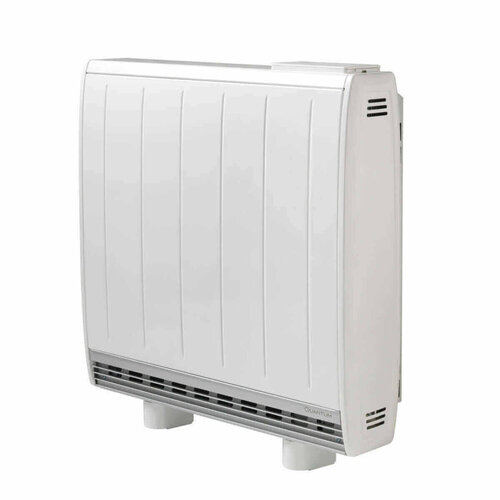
Dimp Quantum QM050RF - 4 Packs of Bricks
0.5 kW high heat retention storage heater with app control, 4 bricks included.
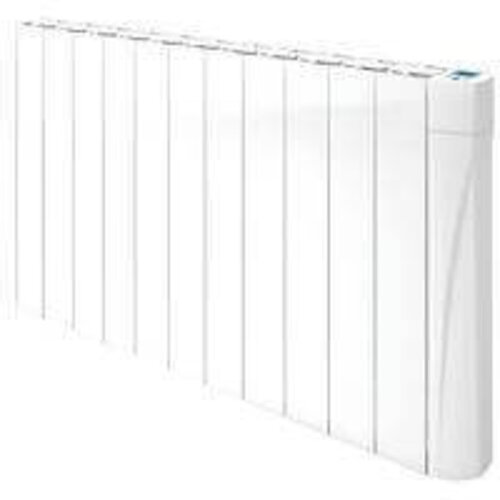
Digital Electric Radiator - 1750W White
1750W white digital radiator with 24/7 programming and open window detection
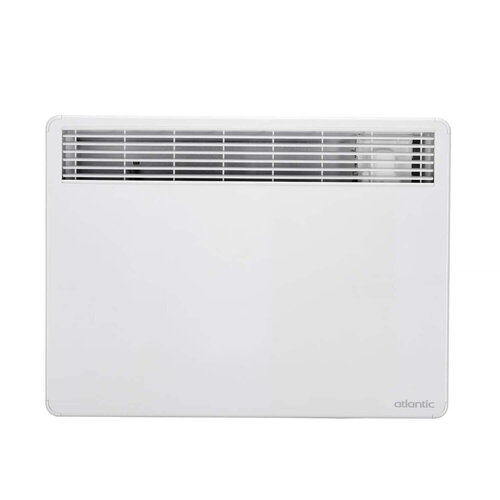
Atlantic F137 Electric Panel Heater - 750W White
750W electric panel heater with open window detection and precise thermostat
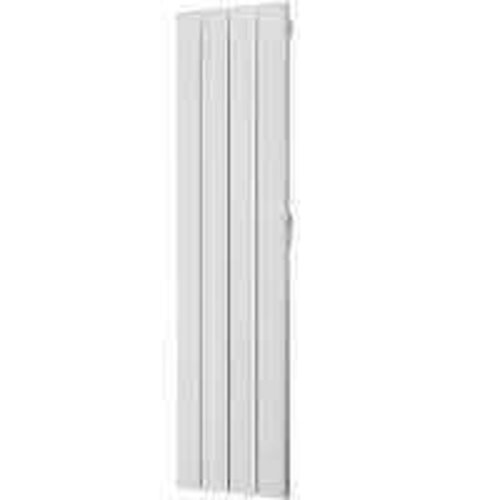
2000W Electric Vertical Radiator, 3 Elements, Palaos Series - 476 x 1800mm White
2000W vertical electric radiator in white, 476 x 1800mm, for rooms up to 16m²
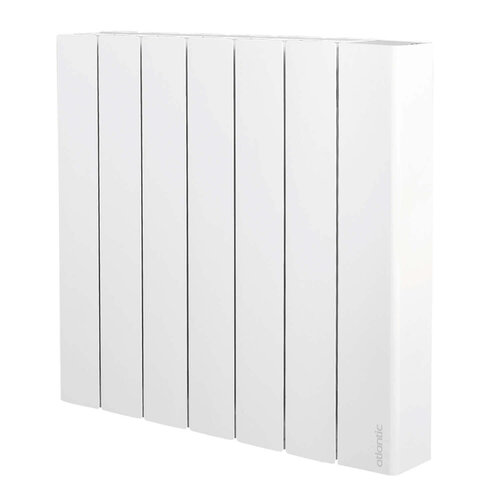
Atlantic Accessio Electric Thermofluid Radiator - 1000W White
1000W white electric thermofluid radiator with 24hr timer
For the Trade
Start with space and how the room will be used. If the wall is tight or the room gets used hard, layout matters more than the front finish. A unit with a thermostat is worth the extra when you need steadier control and fewer callbacks for overheating. A simpler electric radiator is the cleaner buy when the brief is just reliable background heat. In practice, the choice usually comes down to where it’s going, how much wall you’ve got, and whether you need set-and-forget control or a straightforward heater.
Electric Radiator Types and Layouts
When you’re narrowing down electric radiators, start with how much control you need day to day. An electric radiator with thermostat suits rooms where you want the heat to hold steady without constant adjustment.
Portable electric radiators make more sense when you need to move heat between spaces or cover a temporary job. They give you flexibility, but not the same fixed fit as a wall-mounted unit.
If running cost is the main concern, look at energy efficient electric radiators. You usually give up a bit of upfront cost or choice on output.
For bathrooms, go for an electric radiator for bathroom use rather than a general unit. Moisture resistance is the point there.
If you want the full range, start with Radiators.
What to Check Before You Buy
The first call is fixed heat or something you can move. Electric radiators with a thermostat suit rooms where you need steadier control and fewer temperature complaints. Portable electric radiators work better where the heat source may need to shift between spaces. You lose some permanence, and usually a cleaner wall finish.
For bathrooms, check the unit is rated for that environment before you pick on looks. If the radiator stays visible, Radiator Covers are worth a look. Radiator Foil helps when you want to cut heat loss into the wall behind.
Useful Alongside Electric Radiators
Once you’ve picked the unit, the next call is what sits around it. In a bathroom or tight room, you may need a screen or cover to protect the radiator and keep the finish tidy. Radiator foil is worth adding where the wall behind is losing heat and you want more of the output into the room instead.
On refurb work, that’s often the bit that gets missed until the last minute. If the wall finish is still being sorted, check the surrounding trim and surface work at the same time. A neat install can still look wrong if the backdrop is left rough.
Related searches
Local availability for Electric Radiators