Tile Paint
Tile paint comes down to where it’s going and how hard the surface gets worked. On bathroom and kitchen tiles, you’re usually balancing quicker recoat times against a tougher finish, and a properly cleaned surface is the one that holds up best. Gloss gives a harder, easier-wipe face, while matt is usually chosen when you want less shine and can live with a bit less scrub resistance. If the tiles are sound but tired, ceramic tile paint is the straightforward call. If the surface is already failing, the paint choice won’t save it.
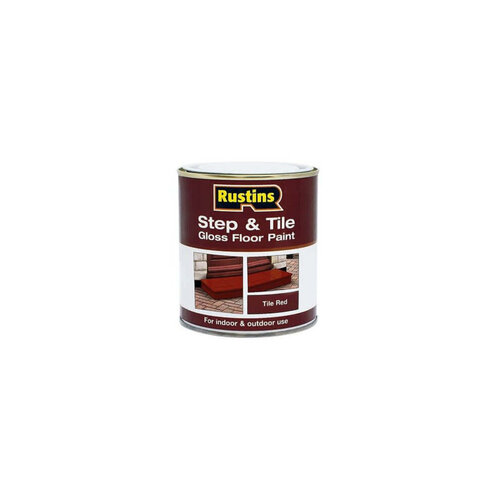
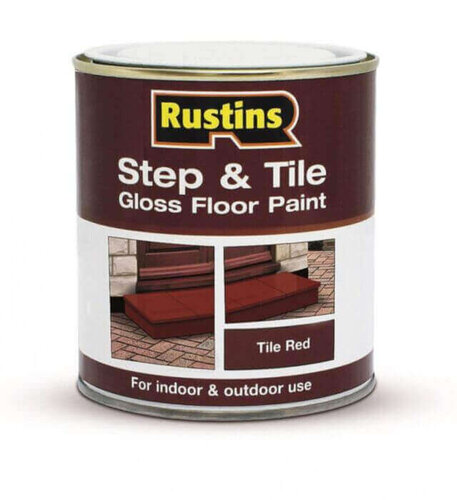
Rustins Step & Tile Paint Gloss - 2.5L Red
Gloss step and tile paint, red (2.5L), suitable for brick and stone, interior/ex…
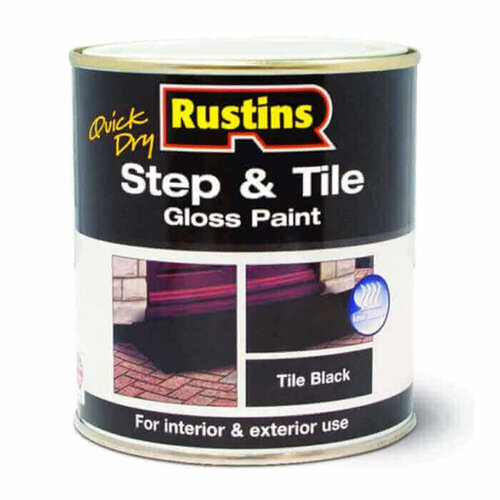
Rustins Quick Dry Step & Tile
Quick-drying step and tile paint with tough durable finish
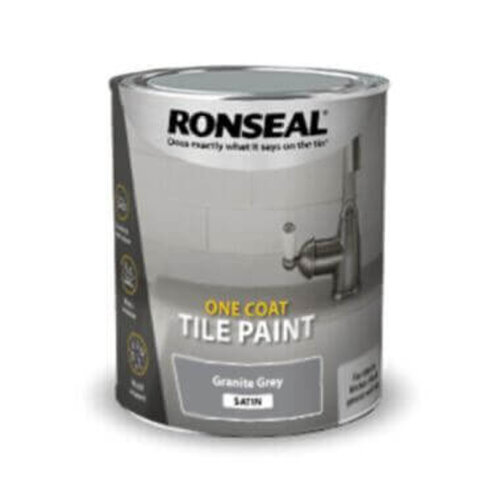
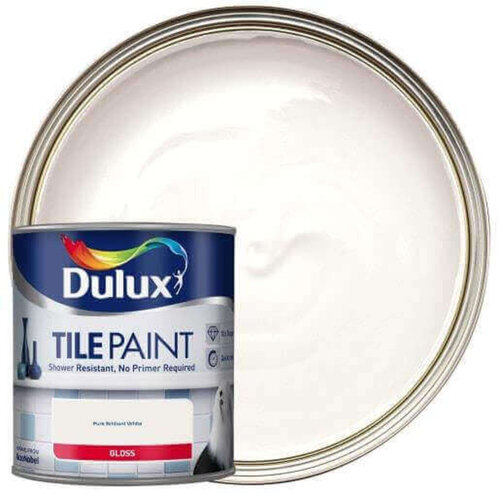
Ronseal One Coat Tile Paint - 750ml Satin White
Satin white tile paint for a one-coat finish.
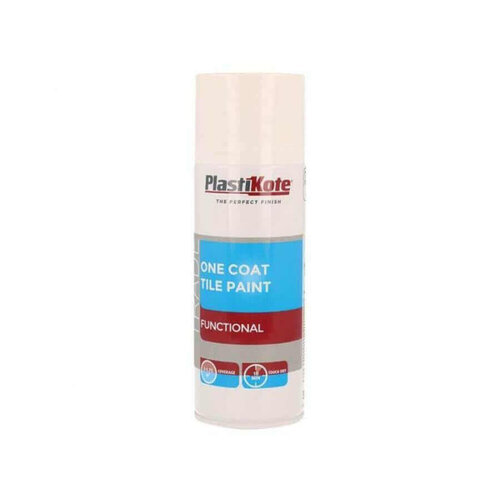
Plasti-Kote Trade One Coat Tile - 400ml White
Fast-drying acrylic tile paint spray, white 400ml, for bathrooms and kitchens
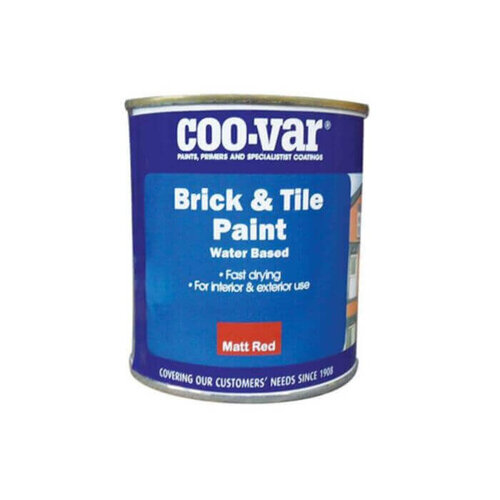
COO-VAR Brick & Tile Paint Matt - 1L Red
1L red matt brick & tile paint, water-based, quick drying.
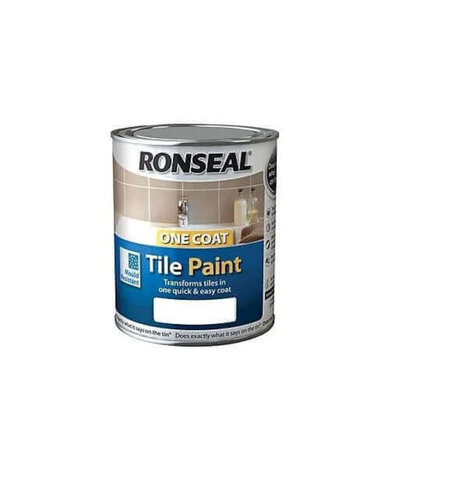
Ronseal One Coat Tile Paint - White satin 750ml
White satin tile paint, one coat with no primer needed, 750ml
For the Trade
You’re usually choosing tile paint on three things first: where the tiles are, how hard they’ll be worked, and how much downtime you’ve got. On small refurb jobs, speed matters. Fast drying gives you less room to correct a bad pass. If the finish needs to stand up to regular wiping, you need a tougher system than a cosmetic refresh. Ceramic tile paint is the phrase most people use, but the right pick is the one that matches the room and the wear, not just the colour card.
Tile Paint Options Compared
For most jobs, you’re balancing finish and drying time. Waterproof tile paint is the one to reach for where moisture is part of the brief. Anti-mould tile paint suits areas that stay damp and blacken at the joints, though it usually costs more.
Matt tile paint hides more of the old tile look. Gloss tile paint is easier to wipe down, so it tends to suit surfaces that get cleaned often. Fast drying tile paint helps when the programme is tight, but it leaves less room to correct a bad pass.
If you’re comparing ranges across the board, start with Specialist Paint and narrow it from there.
Choosing Materials and Size
Start with the substrate, not the label. New or bare tile usually pulls more product and can shift the recoat window. Previously painted tile is more about adhesion and how sound the old finish is.
Coverage and drying time only matter once you know what you are painting over. On ceramic tile, you are usually balancing a harder-wearing finish against one that is easier to brush out. The trade-off is often sheen and working time. If the job will see heat or regular wiping, check the system against the surface first, then move on to the next paint choice - Furniture Paint or Radiator Paint if those are the parts you are finishing.
Completing the Setup
Once you’ve picked the tile paint, the next call is the system around it. If the tiles are sound but glossy or patched, you’ll usually want the right prep and undercoat rather than asking the topcoat to do all the work. That is where most call-backs start.
For a room that gets wiped down hard, the finish matters as much as the paint. Check the surrounding sealants and any replacement panels or trims before you price the job. If you’re also sorting other specialist finishes, keep the rest of the spec consistent. Mixing in furniture paint or radiator paint on the same job can change the prep and the drying window.
Related searches
Local availability for Tile Paint