Commercial Extractor Fans
When you’re choosing commercial extractor fans, start with the job in front of you: airflow, noise level, and whether the run is straight through the wall or ducted away. Wall mounted units suit short, direct extracts. Inline or ducted commercial extractor fans are the better fit when the fan needs to sit out of the room or the duct run is longer. High power models move more air, but they can be overkill on a modest spec, and quieter units are often worth the trade-off where noise matters.
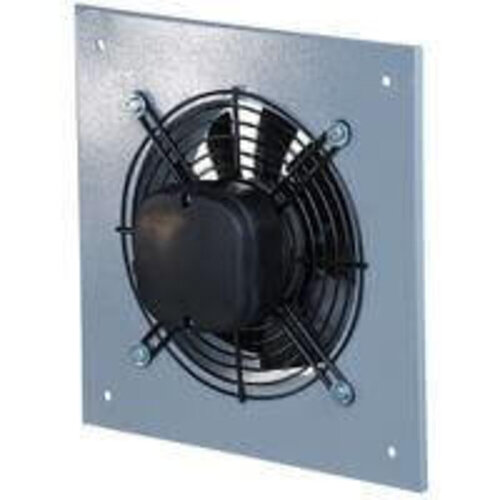
National Ventilation Plate Mounted Axial Extractor Fan - 355mm, 140W, 2500 m³/h, 62 dB(A), 230V, IP24
Industrial plate-mounted axial extractor fan, 355mm, 2500 m³/h.
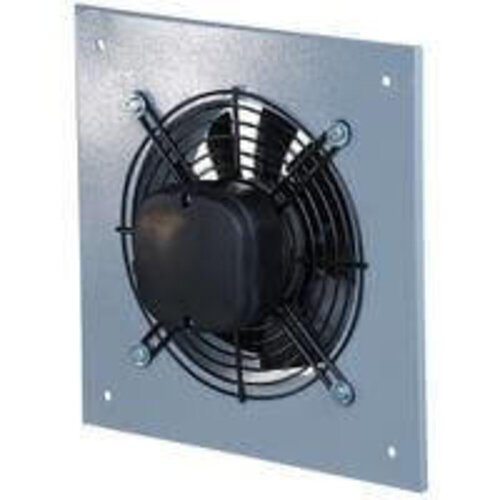
National Ventilation Plate Mounted Axial Extractor Fan - 315mm, 75W, 800m³/h, 58dBA, 230V, IP24
315mm wall-mounted axial extractor fan with 800m³/h airflow and IP24 rating
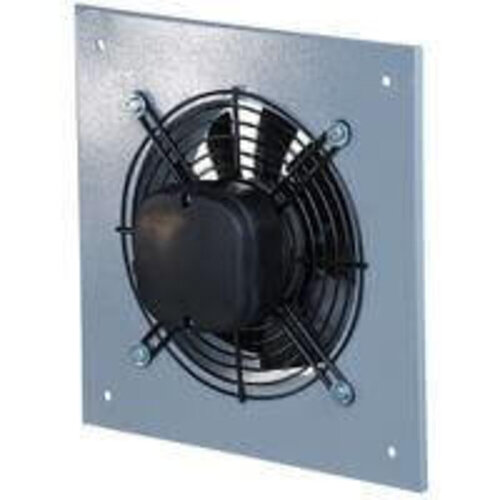
National Ventilation Plate Mounted Axial Extractor Fan - 400mm, 180W, 3580m³/h, 63.3 dBA, 230V, IP24
Wall-mounted axial extractor fan, 400mm, 3580m³/h airflow, 180W, IP24.
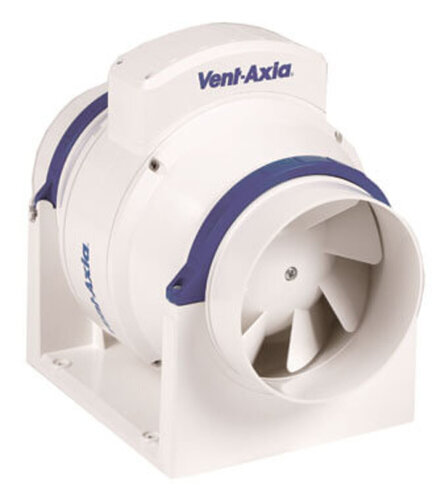
Vent-Axia ACM200T Commercial In-line Mixed Flow Fan with Over Run Timer - 200mm
200mm commercial in-line mixed flow fan with over-run timer
For the Trade
On site, you should confirm fit first - the first question is space and use, not finish. A tight plant room, a shallow ceiling void, or a run that needs to clear grease or steam properly changes the spec before anything else. Commercial extractor fans for a busy kitchen usually need more headroom and a tougher duty than a small washroom extract. Quiet running only matters if the room stays occupied for long periods. Access for maintenance matters too, because the fan that is awkward to reach is the one that gets left until it starts causing trouble.
Types of Commercial Extractor Fans
If the run is short and you want the fan at the extract point, wall mounted and ceiling mounted commercial extractor fans are the usual pick. Wall units suit a direct through-wall job and keep the spec simple. Ceiling units make more sense where the extract point sits above the room and you want the fan out of the way.
For longer runs, ducted commercial extractor fans or inline commercial extractor fans are the better call. They move the motor away from the room, but you give up some simplicity and usually need more thought on the duct route.
High power commercial extractor fans suit heavier duty jobs where airflow matters more than noise. Low noise commercial extractor fans are the ones you reach for when sound is part of the brief.
If you’re narrowing the range on Commercial, that’s usually the split that decides it.
Selection Factors for Commercial Extractor Fans
The first thing to settle is how hard the fan has to work and how much room you’ve got for the ducting. A direct wall or ceiling extract keeps the spec simpler.
Commercial Kitchens usually push you towards higher capacity and heavier duty. Grease, heat and longer run times change the job.
Where noise matters, you often trade a bit of output for a quieter unit. That tends to suit occupied buildings. If the extract point has to sit away from the room, Commercial Basins and the rest of the washroom fit-out often decide the layout before the fan itself does.
Finish the Room
Once you’ve picked the fan, the next call is what the room needs around it. In a kitchen job, that usually means the right wall finish and any access panels, so you are not boxing yourself in later.
In a washroom or changing area, the focus shifts to cleanable surfaces and enough access for maintenance. If the extract route runs through a tight service zone, plan the panels and screens before the last fix goes in. Leave it late, and the job gets awkward fast.
Commercial extractor fans are only one part of the spec. The surrounding finishes decide how tidy and serviceable the install stays.
Related searches
Local availability for Commercial Extractor Fans


