Cleaning Brushes
Cleaning brushes come down to what you’re trying to shift and how much pressure you need behind it. For heavier work, scrubbing brushes with stiff bristles give you more bite. Softer or nylon cleaning brushes suit jobs where you want less marking on the surface. Hand brushes give you better control in tighter spots, while a wooden-backed brush usually feels steadier in the hand than a light plastic one.
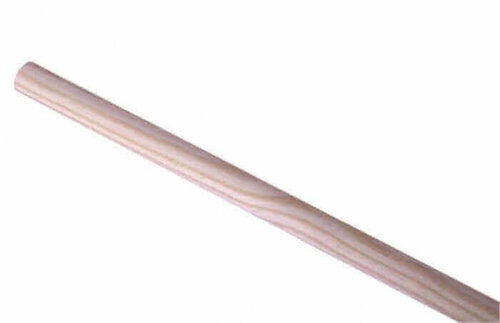
Prodec Small Wooden Broom Handle - 23mm x 1200mm
23.5mm x 1200mm wooden push fit broom handle in Brazilian pine
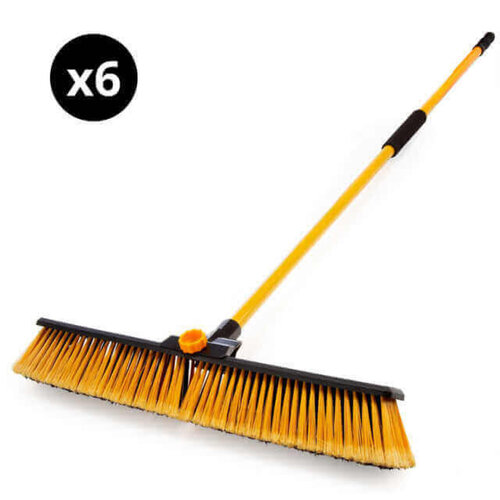
Xtrade Heavy Duty Broom - 24"
Heavy duty broom with 610mm head and 1500mm handle
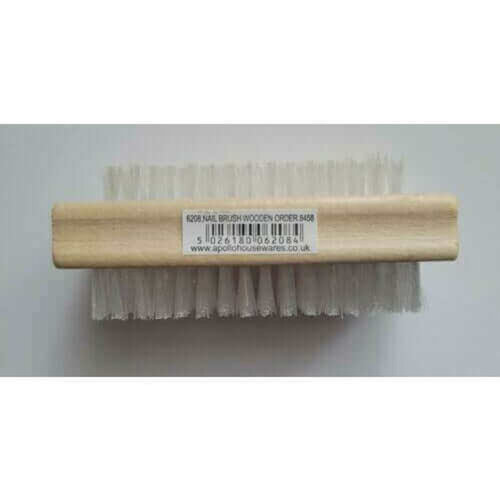
Apollo Double Sided Nail Brush Wood
Double-sided brush for cleaning paint brushes and removing dried paint
For the Trade
What you pick usually comes down to the surface, the pressure you need, and how much wear you’re willing to put up with on the brush. The one that gets sent back is often too soft for the job or too aggressive for the finish. Firmer cleaning brushes suit stubborn build-up. Softer or nylon cleaning brushes are the safer shout where marking is a concern. Hand brushes are the ones you reach for when control matters more than coverage. A wooden-backed brush tends to feel steadier in the hand than a light plastic one, though the lighter option is easier to keep moving all day.
Cleaning Brushes Options Compared
Heavy duty and trade cleaning brushes suit rough jobs and repeated use. They are the ones you reach for when the brush will get hammered all day. The trade-off is cost, but they usually last better than a cheap hand brush that splay out early.
Multi purpose brushes work better for lighter mixed tasks. You get one brush that can cover a few jobs without overcommitting.
Nylon cleaning brushes are the safer pick when you want less marking. Wooden cleaning brushes still suit trades that want a firmer feel in the hand. If you’re matching the rest of the kit, start from Cleaning Supplies.
Choosing Materials and Size
For cleaning brushes, the first call is usually material and feel in the hand. Plastic cleaning brushes are lighter and easier to rinse down, so they suit jobs where you’re moving between areas and don’t want a brush holding muck.
Wooden cleaning brushes give a firmer, more solid feel. Some tradespeople still prefer that on stubborn build-up. The trade-off is weight, and they can feel less forgiving over a long shift.
Nylon cleaning brushes are the pick where you want less marking on the surface. Material choice changes both on-site handling and how the brush feels in daily use, so the right option is often the one that still feels right after a full day.
Completing the Setup
Once you’ve picked the right cleaning brushes, the next call is usually what else needs finishing in the same area. If you’re clearing down after a fit-out, bin bags and rubble sacks matter more than another brush. Waste slows a job when it hasn’t been planned.
On bathroom or kitchen work, the surrounding finishes often decide whether you need a softer hand brush for final wipe-downs or something stiffer for grout, adhesive and site dirt. A lot of call-backs come from leaving the last stage to whatever’s in the van. Match the brush to the finish you’re cleaning and the waste you’re clearing.
Related searches
Local availability for Cleaning Brushes














