Cleaning Fluids
Cleaning fluids come down to what you’re cleaning and how much residue you’re dealing with. A general purpose cleaner is usually the first pick for routine wipe-downs and mixed surfaces, while a degreaser or industrial cleaner makes more sense when you’re up against oil, soot or heavier workshop dirt. If you need one product to cover a few jobs, a multi purpose cleaner is the usual choice. For more specific work, the right fluid usually gives you a cleaner result than trying to make one bottle do everything.
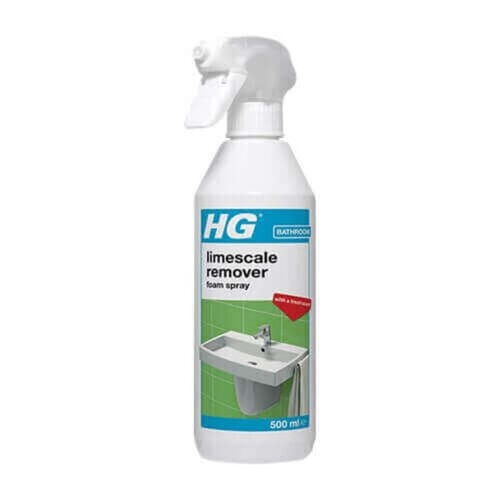
Hagesan Scale Away - 500ml Green Fragrance
500ml green fragrance liquid with nozzle turn to open.
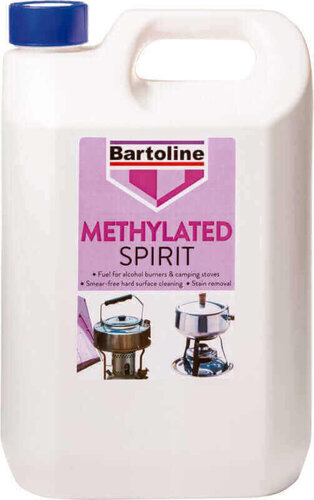
Methylated Spirit - 5L
Methylated spirit cleaning fluid, 5 litres
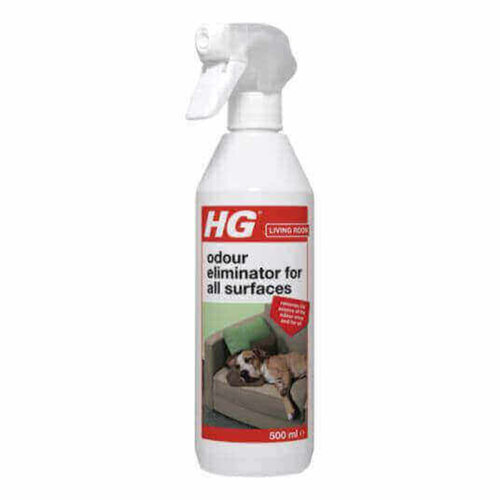
HG Odour Eliminator for All Surfaces - 500ml
500ml biological odour eliminator for all absorbent surfaces
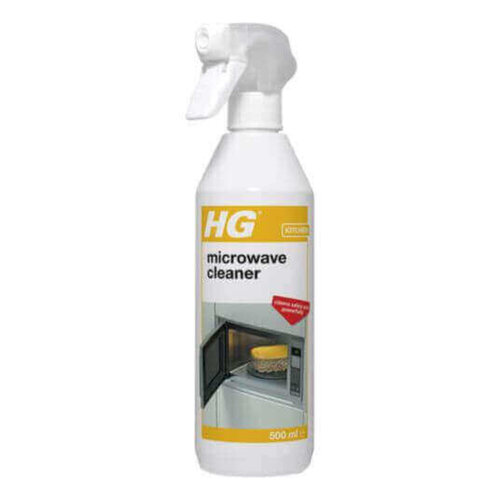
HG Microwave Cleaner - 500ml
500ml spray cleaner for combination microwaves
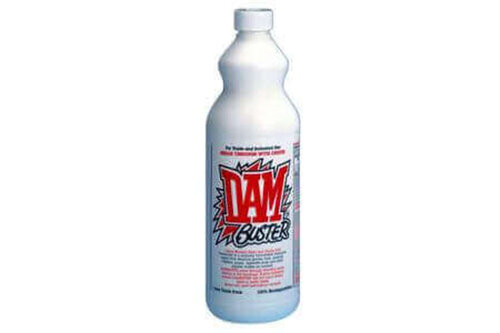
Wiseman Industries Dambuster - 1L
1 litre drain cleaner for industrial and trade use
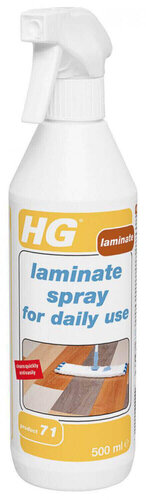
HG Parquet Wooden Floor Laminate Spray for Daily Use - 500ml
Quickly removes dust, sand, and light soiling from parquet, wooden, and laminate…
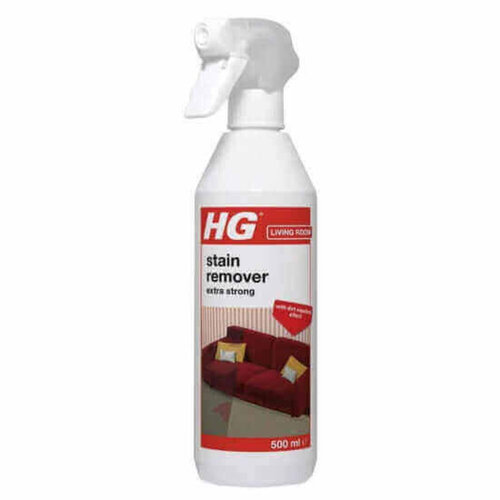
Stain Remover Extra Strong - 0.5L
Tile protector coating for floor tiles, enhances colour, non-slip
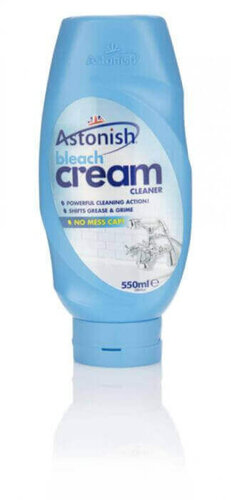
Astonish Bleach Cream Cleaner - 500ml
Bleach cream cleaner that kills 99.9% of germs on hard surfaces
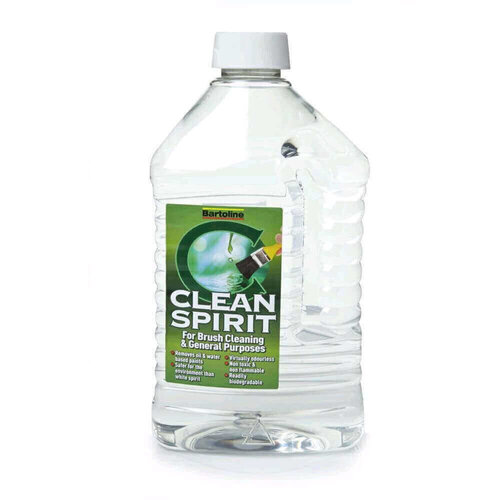
Bartoline Clean Spirit
Water-based brush cleaner, alternative to white spirit and turpentine.
Decosol De-Icer Trigger Spray - 750ml
750 millilitre de-icer trigger spray
For the Trade
Start with the space you’ve got and how the product will be used, then narrow from there. On a tight job, a spray cleaner or ready-to-use cleaning fluid is usually the quicker call because you’re not mixing or carrying extra kit. For larger areas, a concentrated cleaning fluid makes more sense, but only if you’ve got the room and time to dilute it properly. A multi purpose cleaner suits routine maintenance. When the residue is heavier, a heavier industrial cleaner is the one you reach for, not a lighter general purpose cleaner that won’t shift it.
Cleaning Fluid Types and Layouts
Everyday maintenance and heavier contamination are the first split, but the format matters too: a spray cleaner is the quickest pick for spot work and vertical surfaces, while a concentrated cleaning fluid makes more sense when you are covering repeated wipe-downs and want to dilute to suit the job.
A general purpose cleaner or surface cleaner works when you need one product for mixed wipe-downs. It keeps the kit simple, but it will not match a stronger fluid on stubborn build-up.
A degreaser or industrial cleaner is the better call for oil, soot, and workshop grime. It does the harder work, though you give up some of the all-round flexibility.
Glass cleaner is for a clean finish with less residue. It is the sharper choice for clear surfaces, but it will not shift heavy dirt in the same way. If you are only carrying one line, Cleaning Supplies is where you would compare the rest of the kit against the job, not the label.
What to Check Before You Buy
The first check is the residue. Light maintenance work needs a different cleaning fluid from oil, soot or workshop dirt. For mixed wipe-downs, a multi purpose cleaner or surface cleaner usually covers the job without pushing you into a heavier product than you need.
Once grease is the issue, move to a degreaser. If you need a cleaner that leaves less drag on glass or polished faces, keep a separate glass cleaner. One product can do a lot, but it will not do every job well.
For external work, Outdoor Cleaning is the next stop. For washrooms and sanitary areas, Bathroom Cleaners is the better fit.
Useful Alongside Cleaning Fluids
Once you’ve picked the right cleaning fluids, the next call is what you’re using to clear the mess. For washdowns and wipe-up work, cloths, wipes and roll usually matter more than another bottle. The fluid lifts the dirt. The wipe has to take it off cleanly.
Heavier residue needs cleaning brushes. A cloth often just moves muck around. For larger areas, mops and buckets make more sense than spot cleaning. Cleaning trolleys only earn their place when you’re carrying fluids, cloths and waste across site all day.
Related searches
Local availability for Cleaning Fluids