Oils, Fluids & Lubricants
Pick oils fluids and lubricants by the job first. Use engine oil for service work, gear oil where the box calls for it, brake fluid and coolant when the spec matters, and spray lubricants or penetrating oil for freeing off and protection. The usual mistake is treating them as interchangeable. Match the vehicle requirement, not just the label on the bottle.
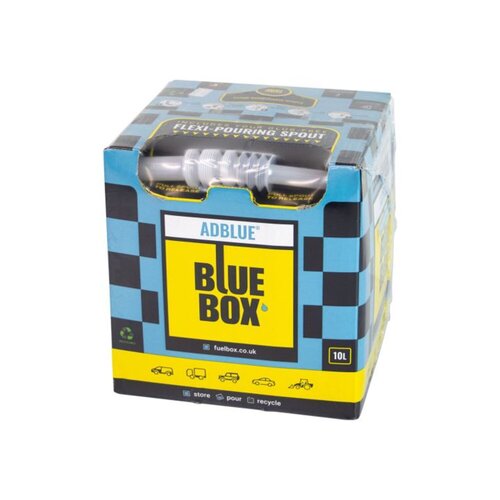
Adblue Fuel Box - 10L
10 litre AdBlue Fuel Box with easy-pour spout
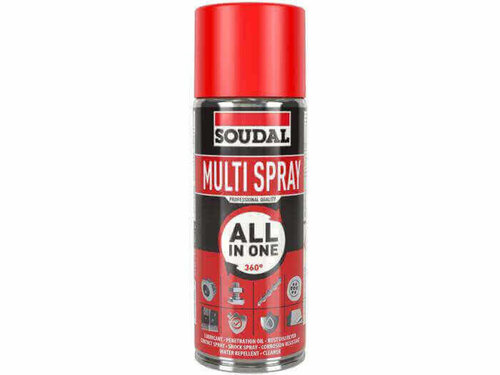
Soudal Multi Spray Aerosol Lubricant - 400ml
High grade universal spray with 8-fold action lubricant, cleaner, anti-corrosive
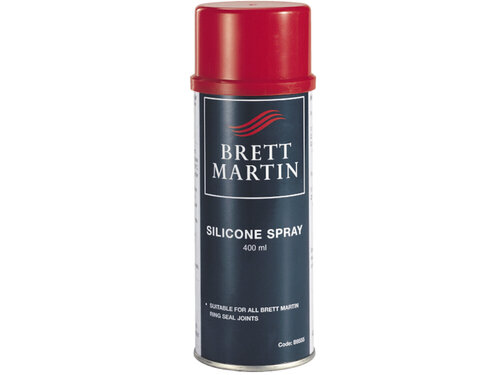
Brett Martin Silicone Spray Lubricant
Silicone spray lubricant for uPVC push-fit drainage systems
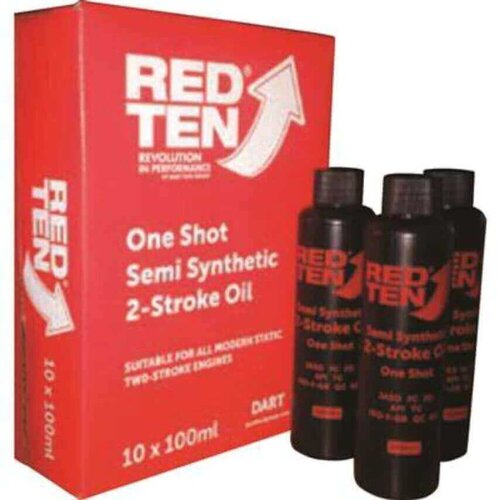
Dart Tools Red Ten 2 Stroke Oil - 100ml
100ml bottle of Dart Red Ten 2-stroke oil
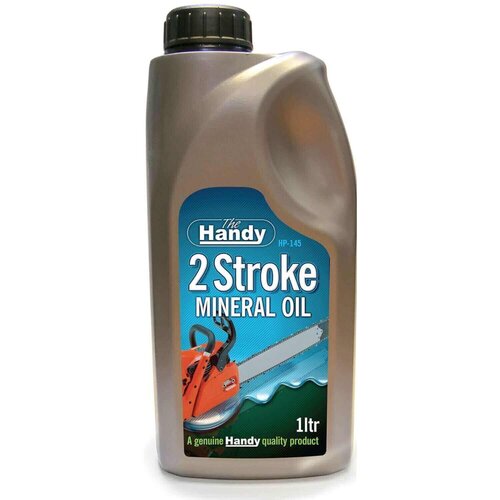
THE Handy 2 Stroke Engine Oil - 1L
1L mineral 2-stroke oil for chainsaws, brushcutters and hedgetrimmers
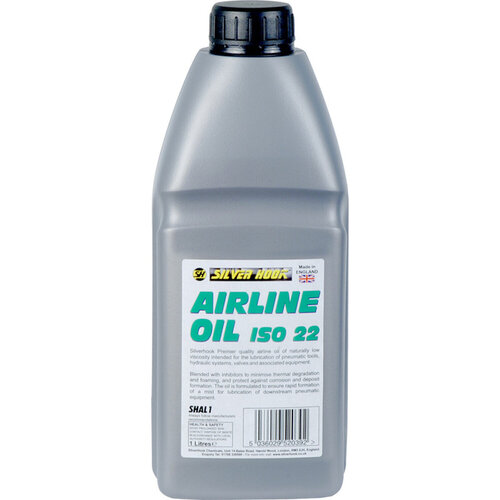
Airline Oil - 1L
1 litre airline oil for compressed air system lubricators
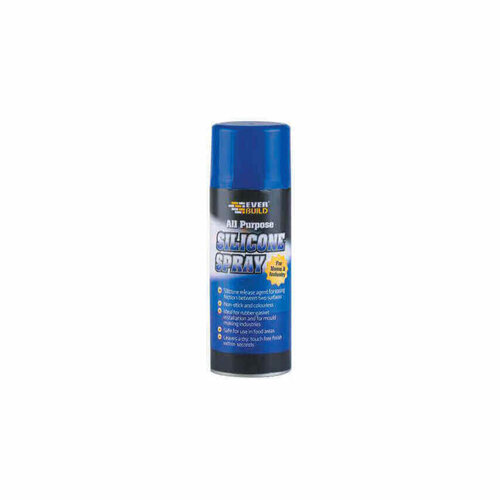
Silicone Spray - 400ml
400ml silicone aerosol spray for strong, flexible sealing
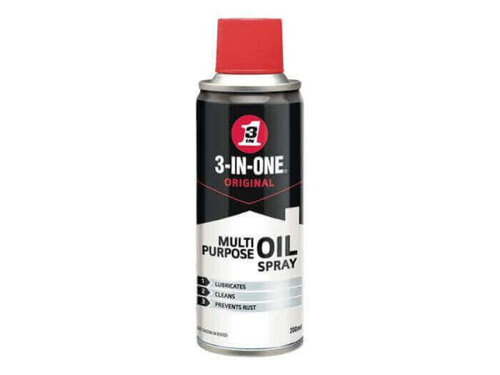
3-IN-ONE Oil Spray - 200ml
200ml multi-purpose lubricant spray for automotive and mechanical use
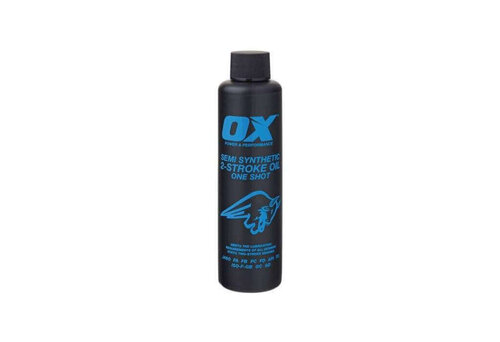
OX Tools One Shot Oil - 100ml
100ml general-purpose lubricating oil for maintenance tasks
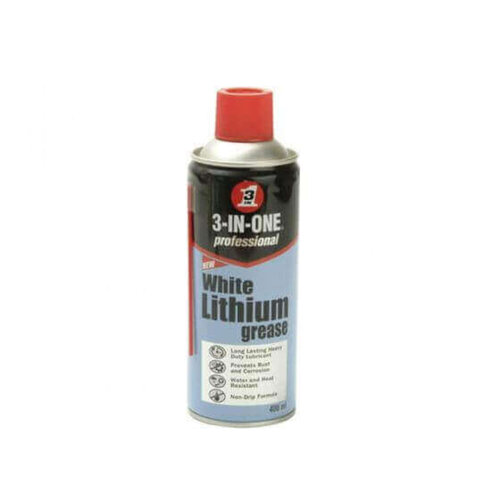
3-IN-ONE White Lithium Grease - 400ml
White lithium grease for lubricating metal parts
For the Trade
You narrow oils fluids and lubricants by the spec first, then by how much margin you want in the job. Engine oil and gear oil are the ones that catch people out when you grab by name instead of grade, and brake fluid is one you don’t substitute just to keep the job moving. Coolant and screenwash are usually straightforward, but antifreeze strength and winter use can change what goes in the van. For release work, a penetrating spray will free stuck fixings faster than a general lubricant. Silicone spray is the cleaner choice where you want movement without leaving a heavy film.
Oils, Fluids & Lubricant Types and Layouts
At the counter, the first question is what the fluid has to do. Oils, fluids and lubricants are not interchangeable once the job is specific.
Mechanic's Tools is the parent hub if you’re building a basket around the job. Engine oil covers engine lubrication. Gear oil suits a gearbox or axle that needs a heavier film. Brake fluid is a separate hydraulic spec, so it should not be treated as a general top-up. Coolant handles temperature control and corrosion in the cooling system.
The usual mistake is buying by name alone and missing the grade or application.
What to Check Before You Buy
For oils, fluids and lubricants, start with the spec on the job, then think about handling. A thicker product will usually stay where you put it, but it can be awkward in cold weather or tight access. A lighter spray goes on quicker, though it won’t stay on a loaded joint for long.
Silicone spray suits mixed materials and smoother movement on trims or seals. Heavier grease or oil is the better call where you need film strength. If you’re also picking up Components or Compression Tools, match the fluid to the part you’re fitting, not just the name on the tin.
Useful Alongside Oils, Fluids & Lubricants
Once you’ve picked the oils, fluids and lubricants, the next question is what else needs covering around the job.
If the bay’s being tidied up or protected, sort the panels, screens or storage at the same time so fluids aren’t left loose on the floor. For seized parts, penetrating oil earns its keep. Where moving parts need a cleaner, longer-lasting film, silicone spray is the neater option. Grease stays the one to use where it needs to stay put.
Related searches
Local availability for Oils, Fluids & Lubricants















