Mechanic's Tools
When you’re choosing mechanic tools, start with the job in front of you: routine servicing, heavier strip-down work, or a mixed workshop kit. A decent set saves time if it covers the fasteners you see every day, but you’ll usually give up something on size, case quality, or the odd specialist piece. That’s why mechanic tools for garages are often bought differently from a general automotive tools kit - one is built around repeat use, the other around covering more bases without overbuying.
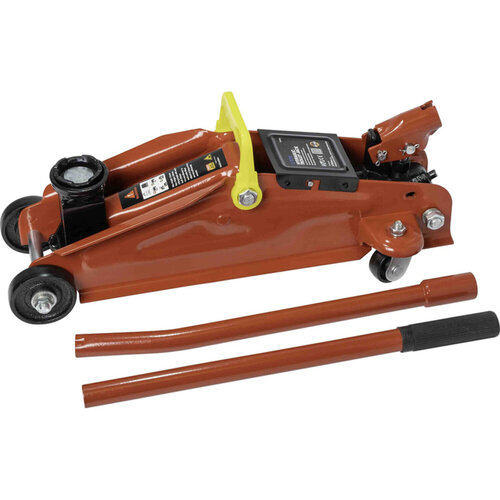
Minotaur Hydraulic Trolley Jack - 2 Tonne
2 tonne hydraulic trolley jack, red, 135–340mm lift range
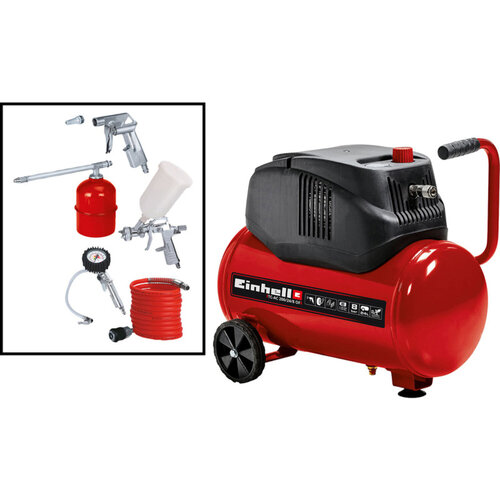
Einhell 1.6HP 24L Oil Free Compressor + 5pc Airtool Kit - 230V
24L oil-free compressor with 5pc air tool kit, 8 bar max
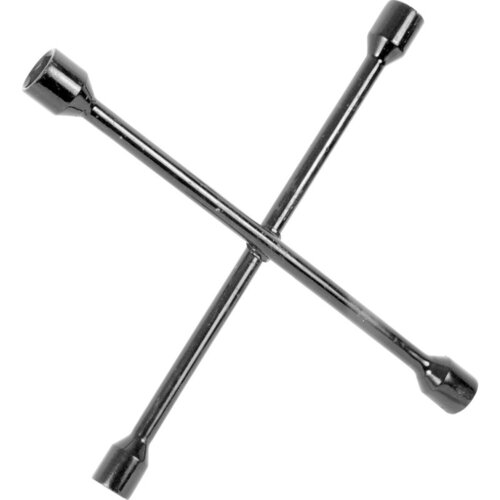
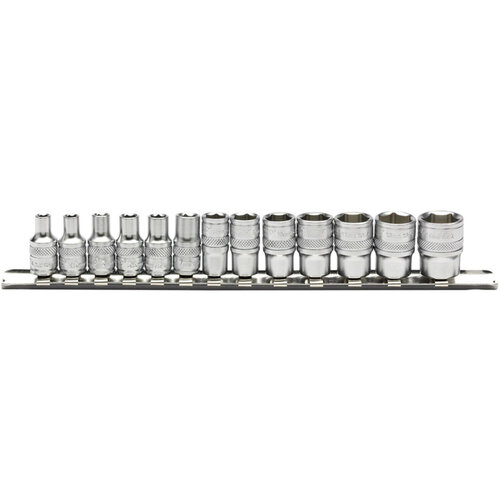
Draper Expert 1/4 Inch Socket Rail - 6 Point Socket 13 Pc
13-piece 1/4 inch drive socket set on metal rail, sizes 4-14mm
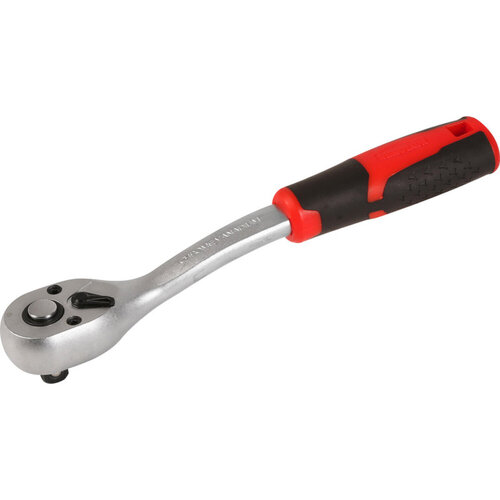
Minotaur Ratchet - 1/2"
1/2" drive ratchet, quick-release, 72 teeth, chrome vanadium, soft grip.
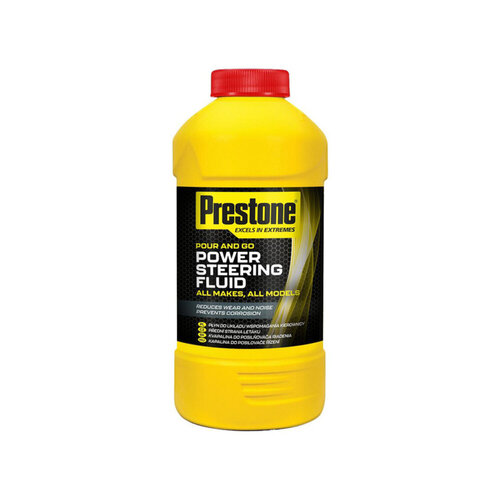
Prestone Power Steering Fluid - 355ml
Prestone 355ml power steering fluid for all vehicles
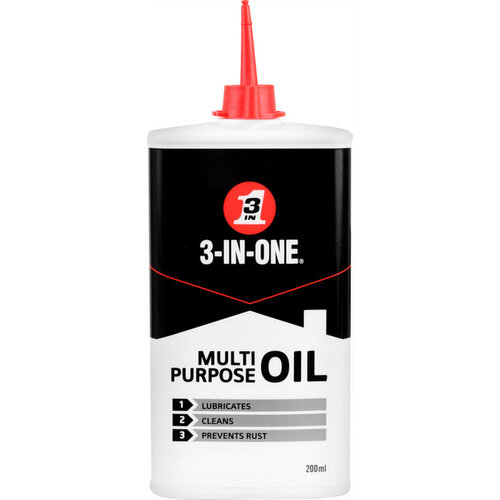
3 In One Oil - 200ml
200ml multi-purpose oil with drip spout; lubricates, cleans, prevents rust
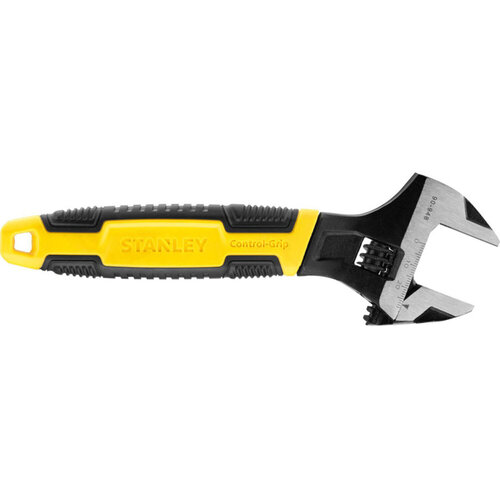
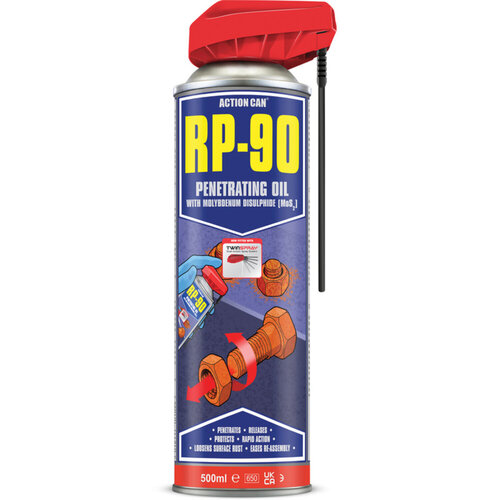
Action Can RP-90 Penetrating Oil - 500ml
500ml RP-90 penetrating oil with MoS2 to release seized parts and prevent corros…
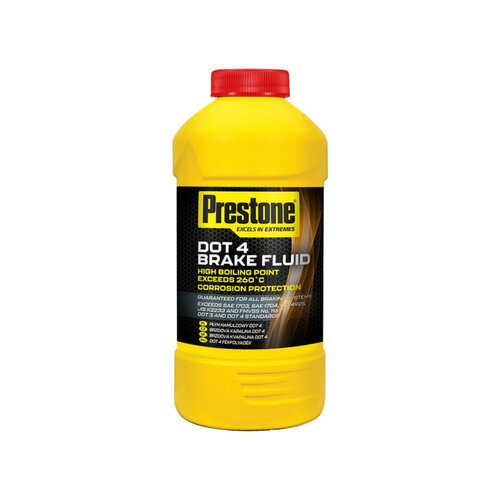
Prestone DOT 4 Brake Fluid - 355ml
Prestone DOT 4 brake fluid, high boiling points, 355ml
For the Trade
Start with the space you’ve got and how the kit will be used, because that usually decides more than finish or extras. In a tight van or a crowded bay, compact mechanic tools make more sense than a bigger spread of pieces you’ll never lay out properly. For mixed workshop use, look at what gets reached for every day and what only comes out for awkward jobs. The sets that stay in use are the ones that match the job, not the ones with the most bits.
Air Compressors
If you’re buying mechanic tools for a job, the first question is usually what drives the kit - hand tools, a few specialist pieces, or equipment built around compressed air.
That’s where Air Compressors come in. They suit a setup that already runs air tools and needs faster repetitive work. They are not the answer if you only need a basic bench set.
The trade-off is straightforward. More capability means more kit to manage. For garages, that usually matters more than price alone, because the wrong setup gets left unused.
Air Tools
Air Tools are the bit you buy when you want the kit to take the repetitive work off your hands, once the compressor side is sorted. They earn their keep in garages running the same fasteners, fixings or cutting jobs all day, because speed and consistency are the point.
You do give up simplicity. Hoses, couplers and a steady supply all come with the territory, so they are not the answer for a basic bench set. If you are building out a fuller workshop, Air Tools usually come after the compressor decision, not before.
Bodywork Tools
Bodywork jobs narrow mechanic tools by the finish you need, not just the fastener in front of you. If you’re chasing dents, panel edges or trim damage, Bodywork Tools are the buy for shaping, levering and correcting without making the repair bigger than it needs to be.
The trade-off is control. You get a cleaner result, but you’re not buying the general-purpose kit you’d reach for on every job. The wrong tool here usually shows up as extra marking or a panel that needs rework.
Brake Tools
Brake tools are the part of mechanic tools you reach for when the job goes beyond undoing a fastener.
You’re usually choosing between kit for caliper work, piston reset, bleeding, or line handling. The right call depends on how often you’re into brakes and how much time you want to spend fighting seized parts.
A basic set is fine for the odd service job. Once brake work comes up day in, you want tools that help avoid damage to fittings and give you cleaner access.
Car Battery Care
Car battery care is the bit you buy when the job is diagnosis, charging, testing or recovery, not general workshop work. You want the right charger, tester or maintainer, not a bigger mixed kit, because the wrong unit wastes time on a flat battery that should have been recovered or replaced.
In mechanic tools for garages, this is one area where cheap kit gets exposed quickly. Poor output, weak clamps or vague readings cause comebacks. If a vehicle sits for long periods or keeps returning with low voltage, battery care gear earns its keep faster than another general set of automotive tools.
Components
Components are the bits you buy when the job only needs one part, not a full new set. That usually means a replacement for a worn or lost item, or a single add-on to keep your mechanic tools working without buying the whole kit again.
The trade-off is simple. You keep the kit in service and spend less, but you need to know the part matches what you already have. That’s where people get caught out. One wrong fit and the job stops while you wait for the right piece.
Choosing Materials and Size
For mechanic tools, start with how hard the kit will be worked. If it’s for a garage and used all day, a more complete set usually makes sense. You can absorb missing pieces more easily when the kit stays in one place.
For lighter workshop work, a smaller kit often fits better. You are not paying for tools that will sit in the drawer. In tight spaces, compact pieces matter more than a long list of extras.
Access should shape the choice too. Long reach helps where space is awkward. The common mistake is buying on count alone. A big set is no use if half of it never gets touched.
Completing the Setup
Once you’ve picked the mechanic tools, the next call is what else needs to sit around the job. In a garage, that usually means storage to keep the kit to hand, a clean bench or trolley setup, and the bits that finish the bay without clutter.
If you’re building out a workshop, the surrounding panels and screens matter because they keep the working area organised and stop tools disappearing between jobs. Components come in when one part is missing or worn, so you replace what’s needed instead of buying more than the job calls for.
Related searches
Local availability for Mechanic's Tools