Grab Rails
When you’re choosing grab rails, start with where they’re going and how much support the job needs. A straight rail suits most bath and shower runs. Angled or longer options work better where the user needs a better hand position or a bit more reach. Chrome and stainless steel suit a tougher face, while white sits better against lighter sanitaryware.
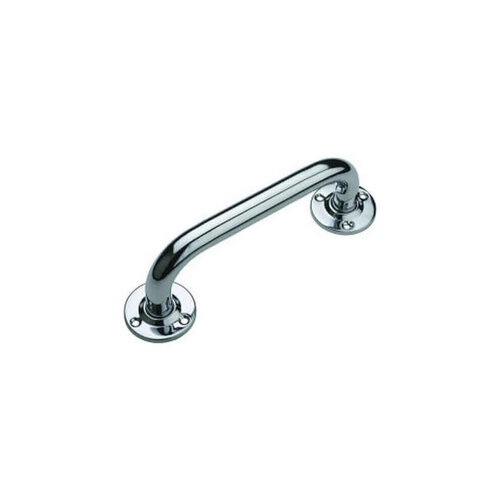
Rothley Standard Steel Grab Rail - 25mm x 305mm Silver
Steel grab rail, 25mm x 305mm, chrome plated silver
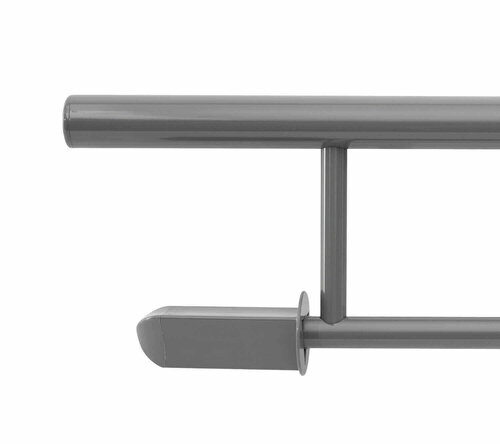
Ideal Standard Contour 21 G4 Screw to Wall Hinged Support Arm - 80cm
Ideal Standard Contour 21 hinged support arm, 800mm
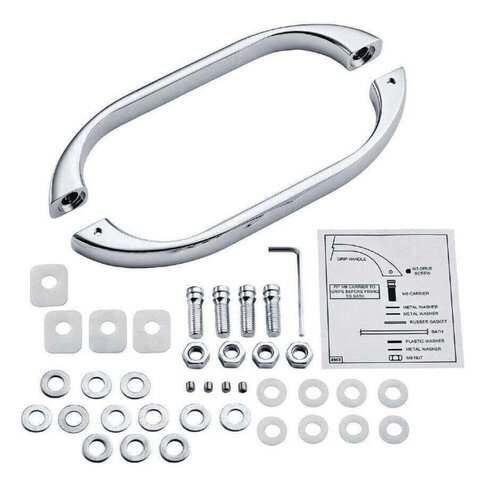
Armitage Shanks Sandringham 21 Steel Bath Hand Grips - Chrome
Steel bath hand grips with chrome finish
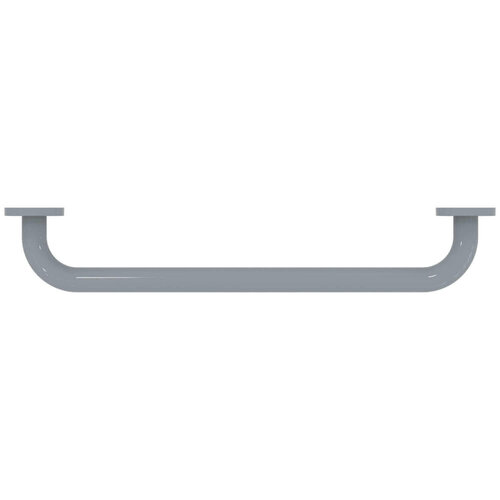
Ideal Standard Straight Disabled Grab Bar
Ideal Standard Contour 21 straight grab bar in grey, 600mm width.
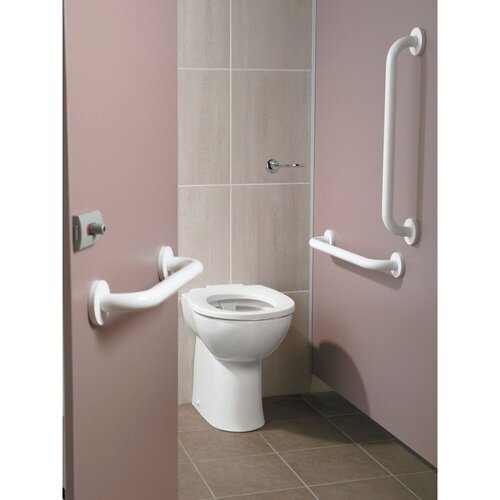
Contour 21+ Doc M Ambulant Care Back to Wall - White rails
Contour 21+ Doc M ambulant care back-to-wall rail, white
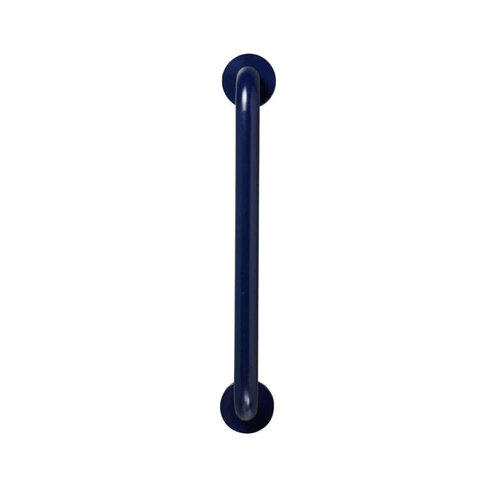
Armitage Shanks Ideal Contour 21 Grab Rail - 600mm White
White aluminium grab rail, 600mm, modern design
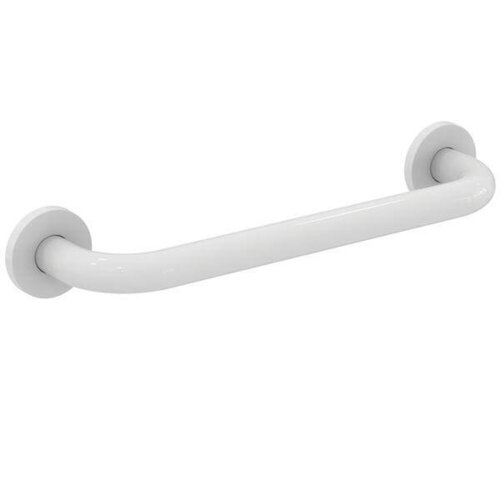
Armitage Shanks Contour 21 Grab Rail - 450mm White
White 450mm straight grab rail, 35mm diameter, Contour 21
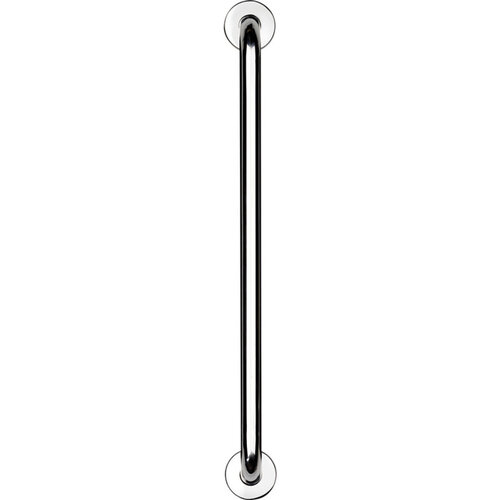
Croydex Grab Rail - 600mm chrome
Croydex 600mm chrome grab rail
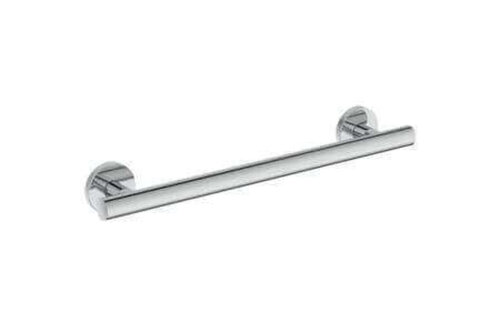
Ideal Standard Contemporary 21 Grab Rail - 60cm
60 cm chrome grab rail, Ideal Standard Contemporary 21
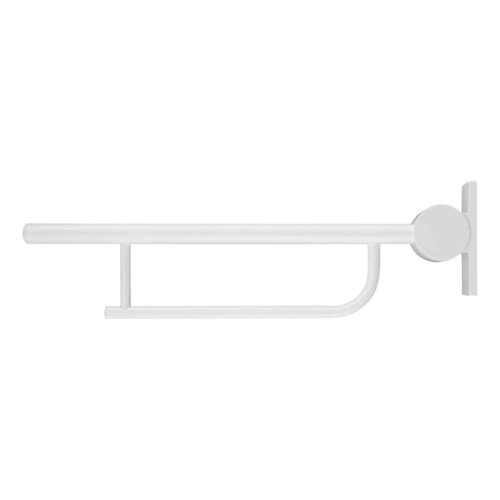
Ideal Standard Contour 21 Screw to Wall Hinged Support Arm G4 - 80cm White
White hinged support arm, 80cm, Doc M compliant for accessible bathrooms
For the Trade
On site, you should confirm fit first - start with where it’s going and how much support the job needs. That usually settles the spec before anything else. For a bath, shower or toilet area, the rail comes down to reach, fixing points and the load it needs to take. Finish matters, but it rarely leads the decision. Most call-backs come from the wrong length, poor hand position or a rail that looks fine but does not suit the space. White grab rails are often picked for a cleaner look. Stainless steel grab rails are the usual ask when the job needs a tougher finish.
Types of Grab Rails
Straight grab rails are the usual pick when you’ve got a standard wall run and want the simplest fit. They keep the job straightforward and avoid awkward corners or wasted space.
Shower grab rails make more sense where the bath and shower share the same footprint. That comes up in compact rooms where there isn’t space for a separate enclosure and bath. The trade-off is simple enough: the screen and bath shape need to suit each other.
Toilet grab rails suit a fixed support point around the pan rather than the bath area. If you’re pricing the wider job, keep the rest of the Assisted Living spec in step with the layout. The wrong format usually means a compromise somewhere else.
Selection Factors for Grab Rails
Material is usually where the decision gets made. Acrylic is lighter and easier to handle, which helps when access is awkward or you’re fixing to lighter backgrounds. Stainless steel grab rails give a firmer face and usually stand up better to rougher daily use.
You give up some handling ease with stainless, so use it when durability matters more than weight. White grab rails stay the neatest pick where you want them to sit quietly against the room. Chrome or stainless finishes suit jobs where the rest of the fitting-out is already heading that way. If the job is moving beyond the rail itself, Accessible Basins and Back Rests are usually the next bits to price in.
Finish the Room
Once the grab rails are fixed, the next call is the rest of the room around them. If the job includes a shower area, the screen and wall finish need enough clear fixing space. A rail that lands on a weak panel or awkward joint is the one that comes back to you.
In a bath area, check the panel and edge detail before you set the rail positions. If the spec also includes accessible basins, back rests, doc m packs or shower seats, keep the support points in step so the room works as one layout, not a mix of separate fittings.
Related searches
Local availability for Grab Rails





