Assisted Living
Assisted living usually comes down to what the job needs to support first: safer movement, easier transfers, or a more stable wash area. You’ll often be choosing between lighter, simpler items and heavier-duty options that take more space or need a firmer fixing point. The common mistake is buying to the label rather than the actual use - a product that looks right on paper can be awkward once you’re dealing with tight access, existing fittings, or a client who needs more support than standard kit gives.
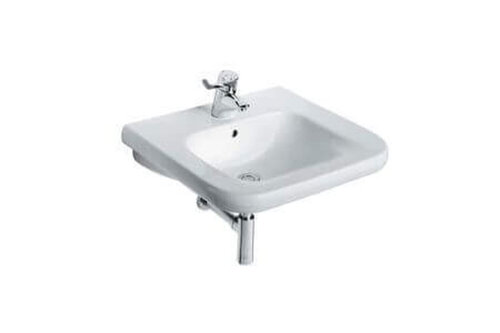
Ideal Standard Contour 21 Accessible Wash Basin - 600mm x 550mm 1 tap hole
Ideal Standard Contour 21 accessible washbasin 600x550mm, 1 tap hole, with hand …
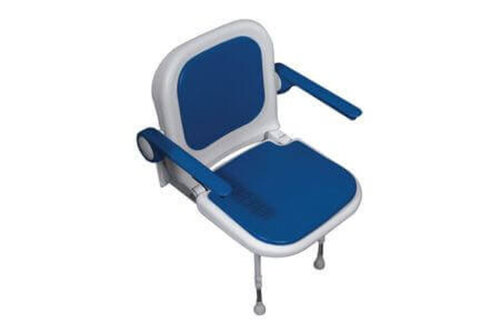
AKW Wall Mounted Fold Down Shower Seat & Back & Arms
Wall-mounted fold-down shower seat with backrest and padded arms
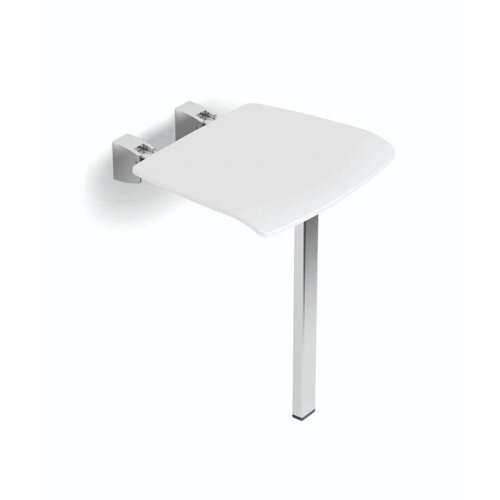
HiB Shower Seat with Support Leg - White
Foldable shower seat with support leg, supports up to 23 stone, white finish.
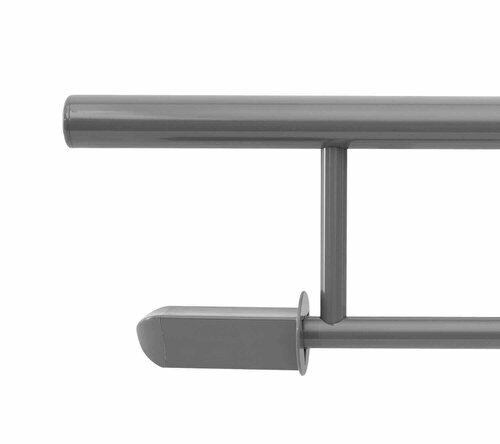
Ideal Standard Contour 21 G4 Screw to Wall Hinged Support Arm - 80cm
Ideal Standard Contour 21 hinged support arm, 800mm
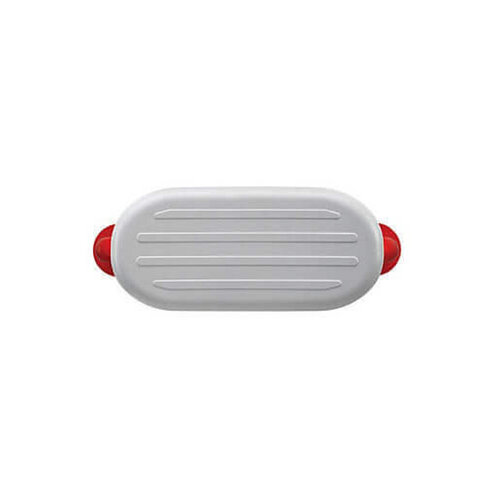
Ideal Standard Toilet Cushion Back Support New Design - Neutral
Toilet cushion back support in neutral
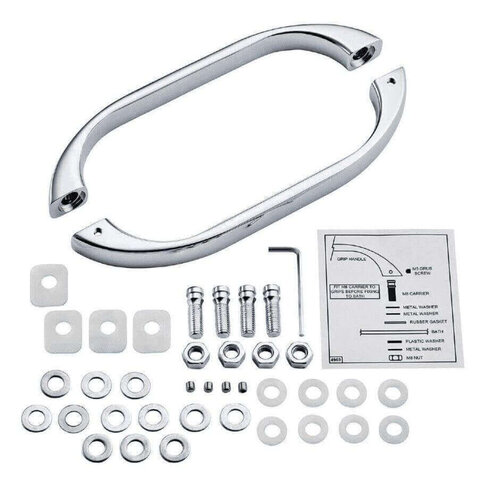
Armitage Shanks Sandringham 21 Steel Bath Hand Grips - Chrome
Steel bath hand grips with chrome finish

Ideal Standard Straight Disabled Grab Bar
Ideal Standard Contour 21 straight grab bar in grey, 600mm width.
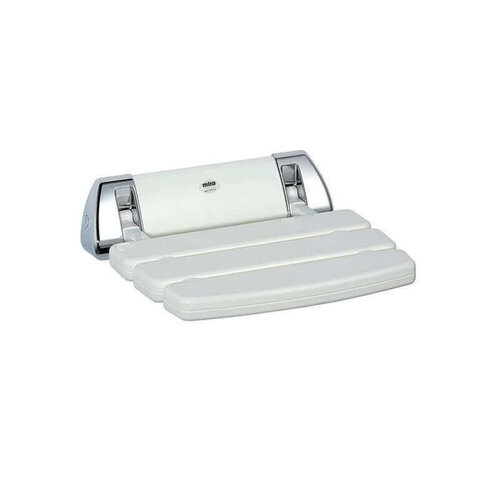
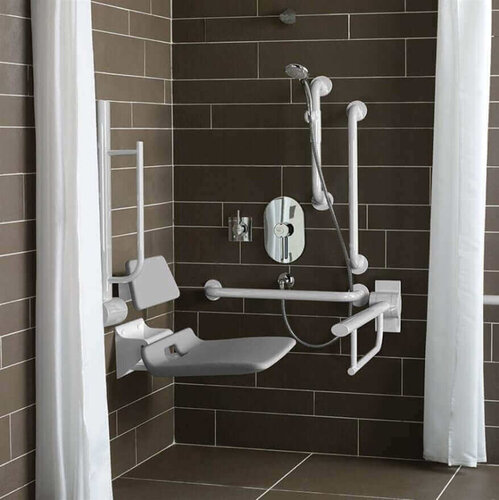
Armitage Shanks Contour 21 Doc M Shower Room Pack
Contour 21 Doc M shower room pack, hinged seat, lever mixer, DEFRA approved
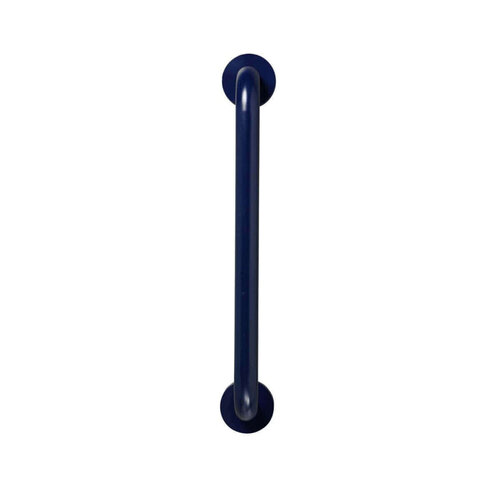
Armitage Shanks Ideal Contour 21 Grab Rail - 600mm White
White aluminium grab rail, 600mm, modern design
For the Trade
Start with the space you’ve got and how it’ll be used. That usually sets the spec before finishes or extras do. In assisted living, a tight layout pushes you towards compact, straightforward items that don’t crowd the room. More space gives you room for added support and a better working position. If the user needs frequent help, prioritise access and stability over appearance. For lighter use, keep it simpler and save cost. Bathrooms & Kitchens is the parent hub if you’re working across the wider scheme.
Accessible Basins
When you’re narrowing assisted living basin options, start with who’s using it and how much support they need at the sink. Some jobs only need a straightforward basin with easier access. Others need a shape that gives better reach and less overhang.
That’s where Accessible Basins usually come in. Pick them when the basin itself needs to do more of the work, rather than relying on other assisted living products around it. The usual mistake is over-specifying the whole room when the basin is the only part that needs changing.
Back Rests
Back rests are what you buy when the user needs support while seated, but you do not want to move into a full seating solution. In assisted living jobs, they are usually picked for short stays, recovery periods, or where the chair or bath already works and back support is the missing piece.
The trade-off is simple. You gain support and a more settled position, but you still rely on the rest of the setup being sound. If the job needs more than that, look at Back Rests alongside the other assisted living products rather than trying to make one item do everything.
Doc M Packs
Doc M Packs are the one you pick when the job needs the full set, not a mix of separate parts. They suit installs where the spec is fixed and you want the basin, rails and support items to line up first time.
That keeps ordering simple and cuts the risk of one item being upgraded while the rest stay basic. If you only need one or two support items, the individual assisted living products are the leaner buy. Once the brief calls for a complete package, this is the cleaner route.
Grab Rails
Grab rails are the bit you pick when the job calls for a fixed handhold, not a full seating or basin change. The main question is where the load is going and who’s using it. A straight rail suits a simple run. A shaped one gives a better hand position where that matters.
Fixing points and wall build matter more than finish. A rail that moves is the one that comes back to you. Set the rail first, then work out whether the rest of the assisted living products need to sit around that position.
Shower Seats
Shower seats come down to how long the user needs to sit and how much room you’ve actually got in the enclosure.
A fixed seat is the cleaner call when the layout stays the same and the seat needs to stay in place. A folding seat works better where space is tight or the seat only gets used now and then.
In assisted living jobs, the choice is usually between a simple perch and something with more support. Extra features add comfort, but they also add bulk, cost, and more to go wrong.
Selection Factors for Assisted Living
For assisted living, start with who’s using it and how much support they need. If the job only needs light assistance and a simple setup, stay with the smaller items and leave out kit that will not get used.
When the brief calls for more support, choose the parts that give a firmer hold or better seated support. The trade-off is usually space or flexibility. Room size matters too. Tight layouts and awkward fixing points rule some options out quickly, which is why Bathrooms often gets checked alongside the main list before you commit.
Finish the Room
Once you’ve picked the main assisted living items, the next call is how you finish the room without creating extra call-backs. Panels and wall finishes matter where you need a clean, wipeable surround that won’t fight the fixing points. Screens are worth specifying where splash control is the issue, not a full enclosure change.
Storage and small accessories come next, but only if they don’t crowd reach or block transfer space. The jobs that go smoothly are the ones where the support kit, wet-area finish and furniture are chosen together, not added later.
Related searches
Local availability for Assisted Living





