Bath Panels
Bath panels usually come down to bath size, fixing points, and how much handling you want to deal with. A straight bath needs a different panel to an end or side return, and acrylic bath panels are often picked where you want a lighter board that’s easier to work with. White bath panels are still the common call for plain replacements, while the wrong length or profile is what usually causes the comeback.
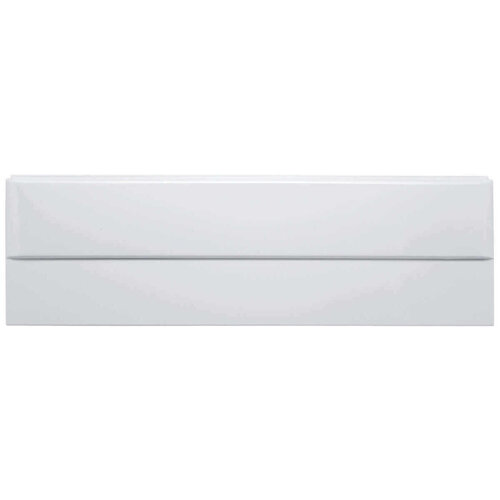
Armitage Shanks Sandringham 21 Front Bath Panel - 1700mm
White acrylic front bath panel for Sandringham 21, 1700mm, gloss finish
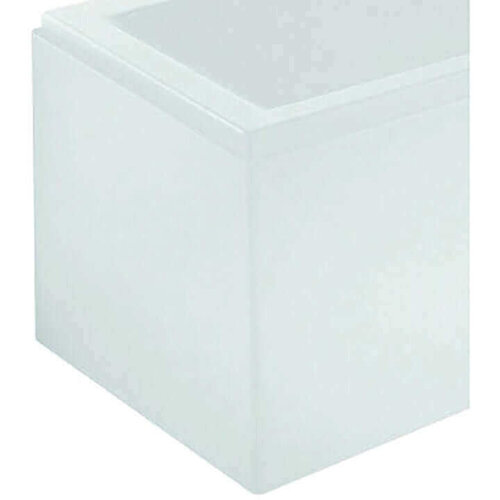
Blok+ P Shaped End Bath Panel - 700mm White
White P-shaped end bath panel, 700 millimetres wide
K-VIT Atlantis End Bath Panel - 480mm x 700mm White
White end bath panel, 480 x 700 millimetres, for Atlantis range.
Twyford Developer Front Panel - 1700mm White
White acrylic front panel, 1700mm, for rectangular baths
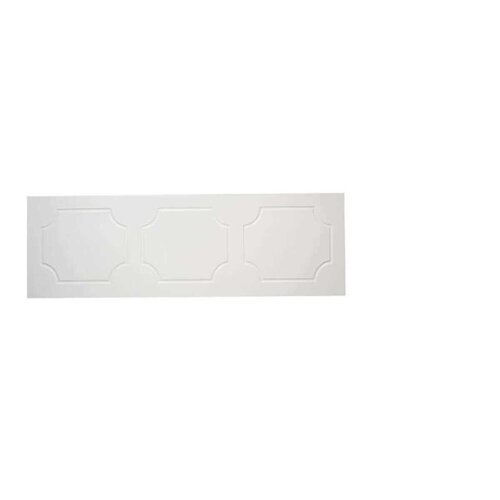
Tavistock Milton Front Bath Panel - 1700mm white
1700mm white gloss bath panel made from waterproof Isocore
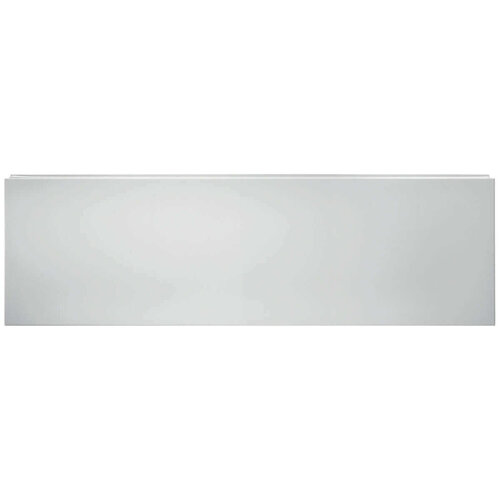
Ideal Standard Unilux Bath Front Panel - 1700mm
White polystyrene bath front panel with gloss finish and increased rigidity
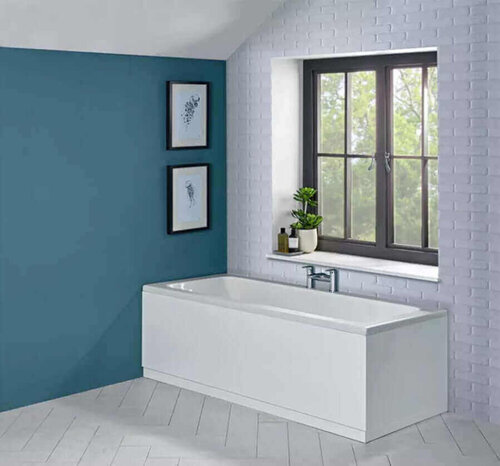
Roper Rhodes Helios Front Panel & Plinth - 1700mm White
Roper Rhodes Helios front panel and plinth, 1700mm, white
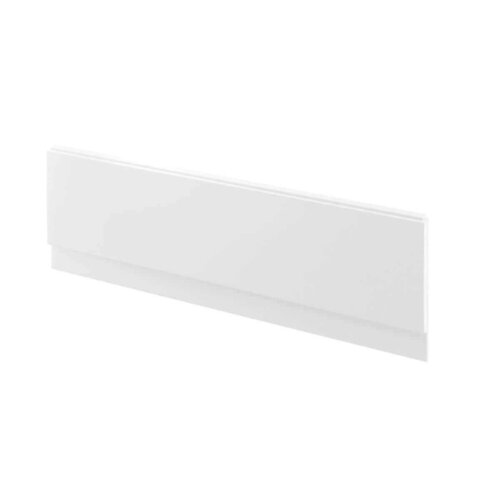
Iflo Reinforced Front Bath Panel - 1600mm x 510mm
Reinforced front bath panel for extra strength, 1600mm x 510mm
Hardboard Bath Panel - 1830mm x 559mm White
White gloss hardboard bath panel, 1830mm x 559mm, easy fit
Reinforced Acrylic Bath End Panel - 800mm x 520mm White
Reinforced acrylic bath end panel 800mm x 520mm white
For the Trade
Start with the bath shape and the access you need, then decide how much time you want to spend on the finish. A bath panel that follows the run cleanly avoids call-backs, especially where the front and end need different pieces. White bath panels are the usual default when you want the job to disappear. Grey bath panels or wood effect bath panels make more sense if you’re matching existing furniture or a darker suite. Acrylic bath panels are often picked when handling matters, though you give up a bit of stiffness compared with heavier options.
Types of Bath Panels
For most jobs, you’re choosing between a bath panel, a bath side panel and a bath end panel, and the bath shape decides that first. A side panel covers the long run. An end panel closes off the short end. Get that wrong and you’re back measuring twice.
White bath panels still suit a lot of refurb work because they sit with the rest of the suite. Gloss white bath panels give a cleaner, sharper finish. Matt white bath panels are the quieter option when you don’t want the shine.
If the job needs a different look, grey bath panels or wood effect bath panels are often picked to tie in with furniture. The trade-off is simple - they narrow your matching options later. If you’re cross-checking the rest of the room, the Bathrooms range is the place to compare the next pieces.
Selection Factors for Bath Panels
Material is usually the first call. Acrylic bath panels are generally easier to get up and into place, which helps when you’re working alone or access is awkward. The trade-off is the surface feel. It won’t give you the same solid touch as enamelled steel.
Wood effect bath panels make more sense when you’re tying into furniture or a warmer finish. They can stand out more if the rest of the room is plain. Keep the panel finish in step with Bathroom Accessories if you’re matching trims or finishing bits. Material choice changes handling on site and the way the bath feels in daily use, so decide that before you price the rest of the job, including Bathroom Furniture if the run needs to match.
Finish the Room
Once the bath panels are sorted, the next call is usually the screen if the bath is being used for showering. After that, you’re into the parts that hide pipework and still leave access where you need it. If the job includes furniture, keep the panel finish in step with it. Don’t force a mismatch.
On refurb work, a replacement bath panel is often the quickest fix when the bath stays in place. A bath end panel matters when the layout leaves one side exposed. That’s where the surrounding bathroom accessories and furniture start to matter, because the wrong order means trimming round things twice.
Related searches
Local availability for Bath Panels




