Baths
Choose baths by footprint, access and how the room will be used on site. Straight and small baths suit tighter layouts, while shower baths work where one opening has to do two jobs. Single ended baths give you a clear tap end and easier recline. Double ended baths spread the usable space if you have the length for it. Acrylic models are lighter to handle. Steel baths give a firmer feel once installed.
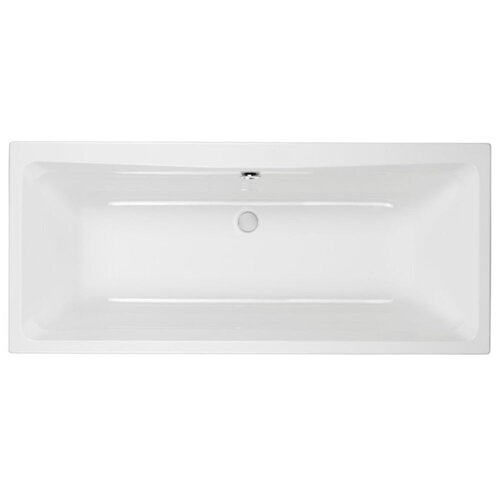
Iflo Clyde Carronite Double Ended Bath - 1700mm x 700mm
Carronite reinforced 1700x700mm white double ended bath with leg pack.
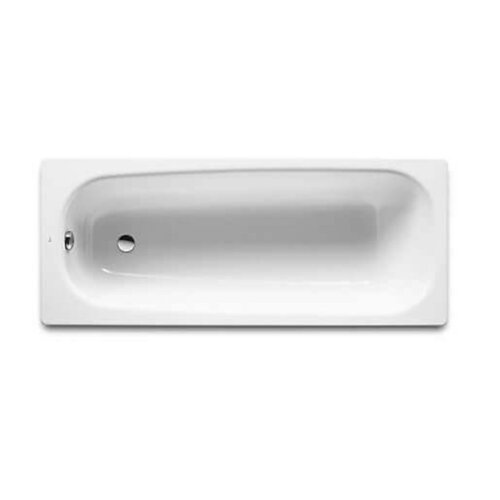
Roca Contesa Bath 2 Tap Hole No Anti-Slip - 1500mm x 700mm White
Roca Contesa steel bath 1500x700mm, 2 tap holes, no anti-slip, 25-year guarantee
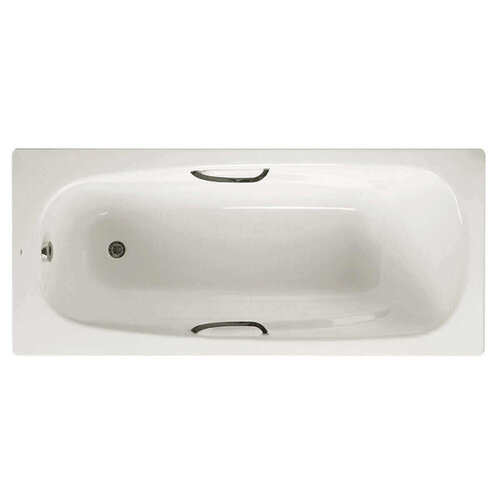
Roca Carla Straight Steel Bath - 1700mm x 700mm 2 Tap Hole Grip Holes
1700x700mm steel bath with 2 tap holes and heat-retaining enamel
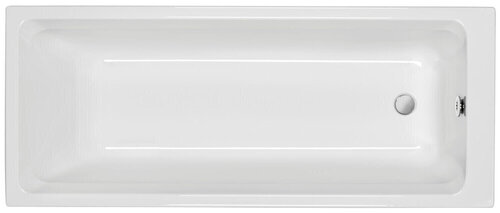
Iflo Clyde Carronite Single Ended Bath - 1700mm x 700mm White with Leg Pack
1700mm x 700mm single ended Carronite bath in white with leg pack.
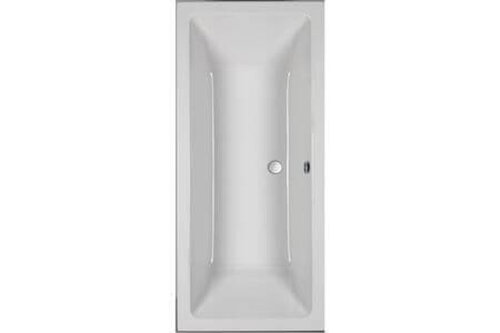
Roca The Gap Double Ended Bath - 1700mm x 750mm
1700x750mm double ended acrylic bath, 190L capacity, 25 year guarantee
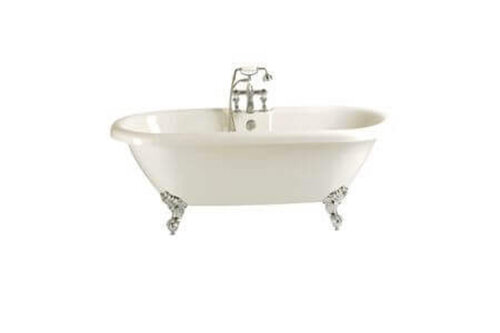
Heritage Oban Double Ended Roll Top Bath - 1760mm x 790mm
Double-ended roll top bath in white with cast acrylic construction, 1760mm x 790…
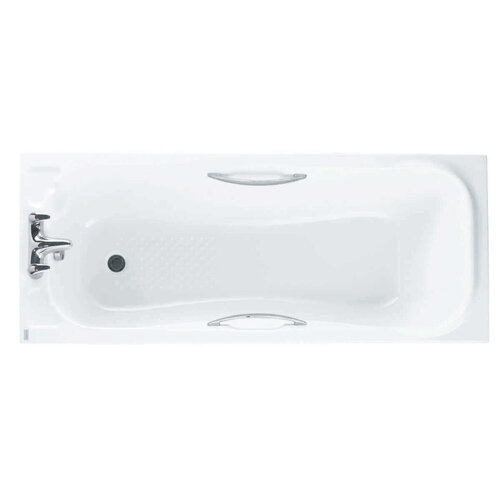
Twyford Signature Bath - 1700mm White
1700mm rectangular bath in white with 2 tapholes
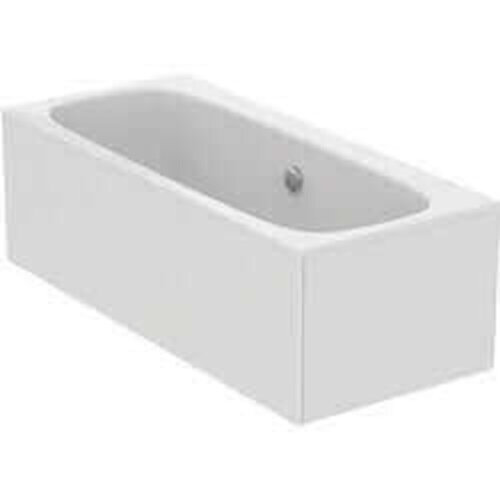
Ideal Standard I.Life Water Saving Double Ended Bath - 1700mm x 750mm No Tap Hol…
Ideal Standard i.life double-ended bath, 1700 x 750mm, 139L, white acrylic
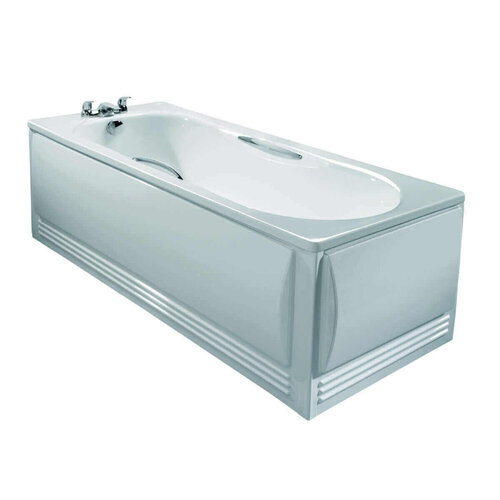
Twyford Celtic Straight Steel Eco Bath - 1700mm x 700mm 2 Tap Hole
Twyford Celtic steel bath 1700x700mm, 2 tap holes, 140l to overflow
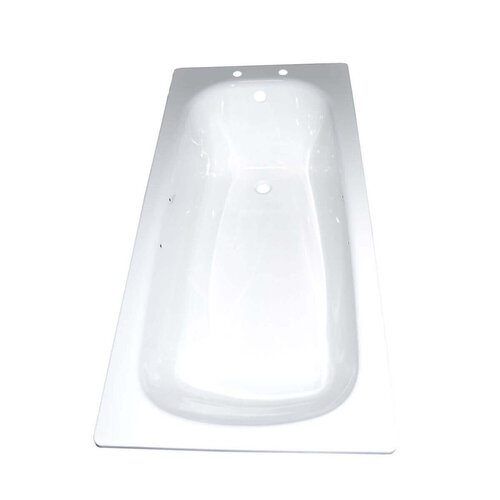
Straight Steel Bath - 2 Tap Hole
Straight steel bath with 2 tap holes and anti-slip finish
For the Trade
You need to set baths by footprint, access and how the room will be used on site. Compact layouts suit tighter installs, but they can limit elbow room and tap placement. Larger baths give you more working space and usually make pipe runs easier to keep tidy, though they need more clear floor area and careful handling on delivery. For mixed-use rooms, shower baths can save a separate enclosure, so you keep the programme simpler without losing the main bath position. Material choice also changes the job. Acrylic baths are generally easier to carry and fit, which helps on upper floors or awkward access.
Popular Bath Formats
Straight baths are the simplest fit along a standard wall run. Use them when you want a clean rectangular install without chasing awkward junctions.
Single ended baths keep taps and waste at one end. That leaves the other end shaped for reclining, but it gives you less flexibility if two people want to use opposite ends.
Double ended baths leave both ends more open. They suit jobs where the tap and waste position needs more planning and you want a balanced layout.
Slipper baths suit installs where the client wants a raised end. They usually need more length or depth, so check the space before you commit.
Freestanding baths change the fixing and access plan. You need clear space around them and room to reach the pipework, so they work best when the layout can support that.
Corner baths make better use of an awkward corner than a straight bath. They need a wider footprint and more careful setting out.
Key Differences When Choosing
Steel baths usually suit tougher daily use because the enamelled face feels firmer on site. The trade-off is weight. They are heavier to move and set than acrylic.
Acrylic baths are generally easier to handle during installation. That helps where access is tight or the programme is moving fast. The surface feel is different from enamelled steel.
Cast iron baths hold heat well, so they suit jobs where retention matters. The extra weight can affect handling and floor suitability, especially in older properties.
Size matters just as much. Small baths help when the footprint is tight and you need to keep circulation clear. Large baths give you more room to recline, but they take more floor space and can make access around the room harder.
If the layout allows it, longer baths give you more flexibility on positioning. You still need to check how the waste, taps and surrounding finishes will land before you fix the set-out.
Next Decisions After Choosing
Once the bath is fixed, finish the surround with the parts that control access and hide the rough work. Bathroom Furniture helps you plan storage and conceal pipework once the footprint is set. Bathroom Lighting matters where the wet zone needs the right IP rating, not general room light.
Use panels and screens where the bath edge needs a cleaner close-off. Bring the adjacent finishes in line so the install reads as one job on site.
In tighter rooms, small baths usually leave more workable clearance for boxing-in and trim details. Larger baths need more thought around access to wastes and service points. Freestanding baths change the finishing plan again because the pipework stays more exposed, so you need a cleaner floor and wall junction. Shower baths can reduce the number of separate parts in a mixed-use room, but they still need the surrounding finishes set out early so you do not end up reworking the last fix.
Related searches
Local availability for Baths



