Toilet Cistern & Fittings
For toilet cisterns, start with the setup you’re matching - concealed, close coupled, low level or high level - because that decides the shape, fixings and how much of the assembly you need. After that, choose between plastic and ceramic. Dual flush and push-button fittings are common on newer jobs, while lever flush still turns up on older replacements.
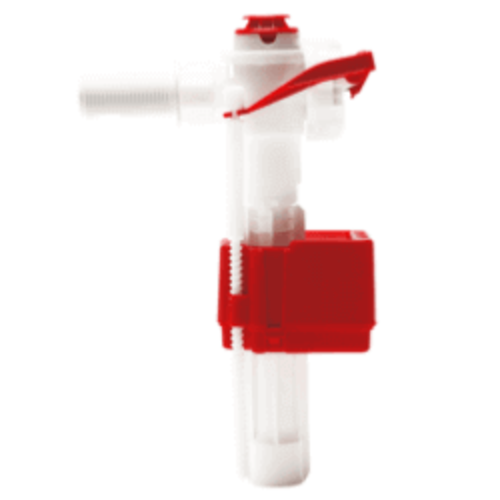
Fluidmaster Side Entry Fill Valve Fast Refill - 1/2"
Fluidmaster PRO747UK side entry fill valve, 1/2" (12.7mm), quiet and easy to ins…
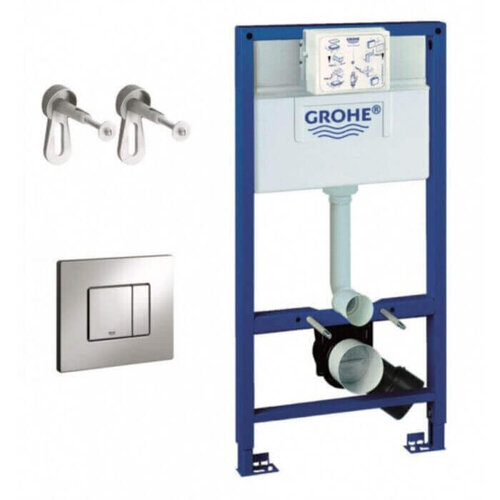
Grohe Rapid SL WC Frame with Flush Plate, Cistern & Fixings - 1000mm
Grohe Rapid SL WC frame with dual flush and chrome flush plate, 1000mm
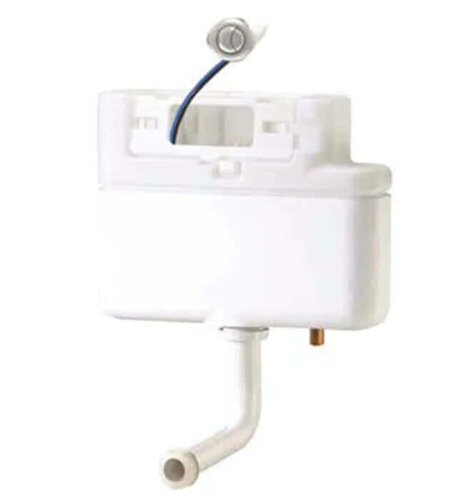
Siamp Intra Comfort Eco Bottom Inlet Plastic Insulated - 1/2"
Siamp Intra Comfort ECO bottom inlet valve, plastic insulated, 13mm
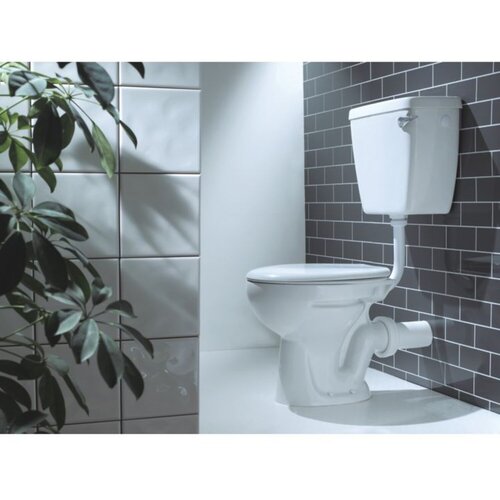
Lecico Atlas Low Level Toilet Cistern with Syphon
Lecico Atlas low level vitreous china toilet cistern with syphon
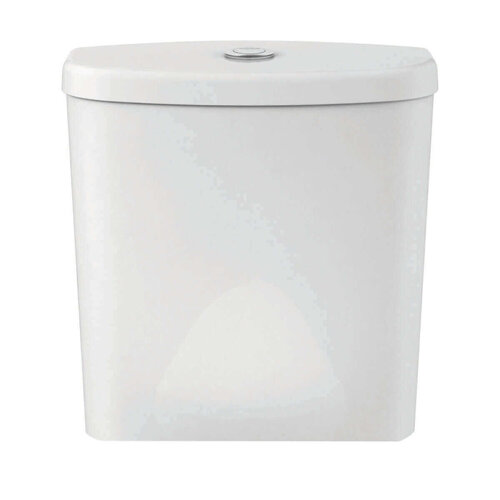
Iflo Cascada Close-Coupled Cistern
iflo Cascada close-coupled cistern, dual flush 6/3 litres, 25-year guarantee
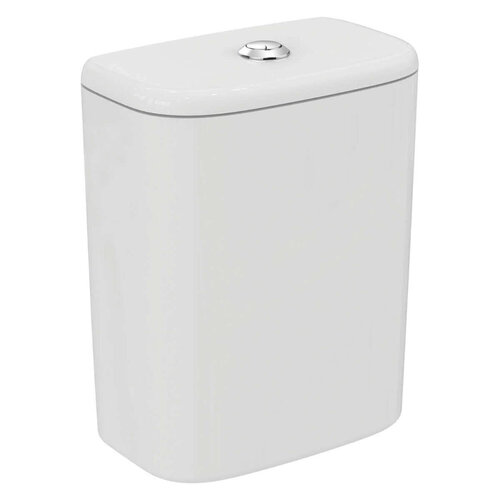
Ideal Standard Tesi Close Coupled Delay Fill Cistern with Dual Flush Valve, Bott…
Close coupled cistern with 4/2.6L dual flush and delay fill
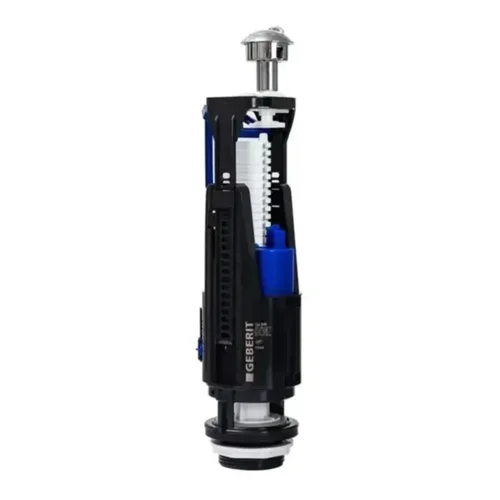
Geberit Type 40 Dual Flush Valve - 390mm
Geberit Type 40 dual flush valve, 390 millimetres length.
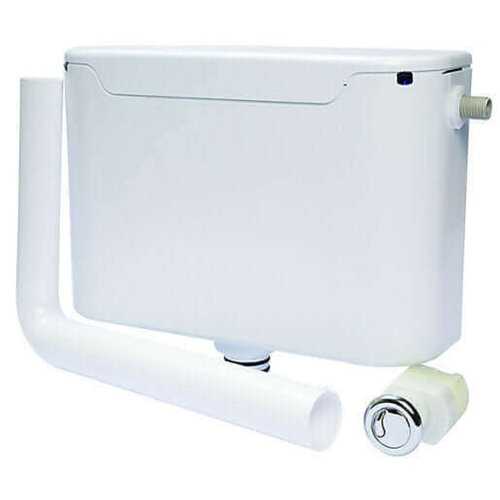
Thomas Dudley Miniflo Concealed Cistern Side Entry - 411mm Chrome White
Concealed cistern with dual flush button, 411mm, white
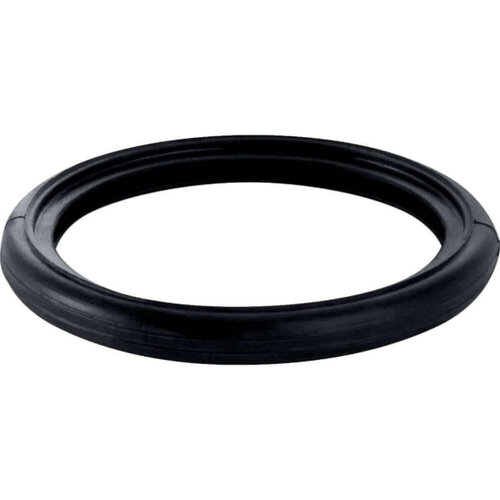
Geberit Lip Seal for Flush Pipe
Geberit lip seal for flush pipe, 45mm diameter
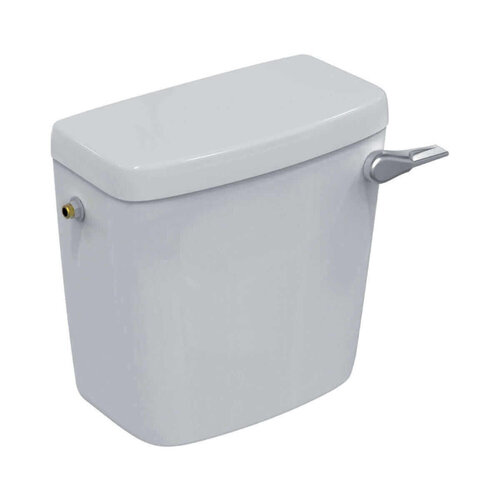
Armitage Shanks Sandringham 21 Low Level Cistern Single Flush Syphon Side Supply…
Low level cistern with 6-litre single flush, side supply, and internal overflow.
For the Trade
What usually decides toilet cisterns is the space you’ve got, the pan connection, and whether you’re replacing like for like or changing the setup. A concealed cistern suits a boxed-in or furniture job where the pipework needs hiding. A close coupled unit is quicker to line up when you want the cistern sitting on the pan. Low and high level sets still come up on refurb work, but they only make sense when the room or spec calls for that look. Call-back jobs are usually the ones where the outlet position or flush control does not match what is already there.
Types of Toilet Cistern & Fittings
Start with the layout and the flush gear you need. That narrows toilet cisterns quickly.
Concealed cisterns suit installs where the cistern sits behind a wall or furniture run. They give a cleaner finish, but you need the space and access planned in.
Close coupled sets keep the cistern and pan together. They are quicker to match on a straightforward replacement, with less to coordinate on site.
Low level and high level cisterns still matter on refurb work. They fit around existing pipe runs and fixing points, which helps when you are working to what is already there. The trade-off is a less compact finish and, usually, more visible hardware.
If you’re matching a wider scheme in Bathrooms, that is often where the format choice settles.
Selection Factors for Toilet Cistern & Fittings
Material is usually the first call on toilet cisterns because it changes handling as much as the finish. A plastic toilet cistern is lighter, easier to get into awkward spots, and less of a nuisance when you’re swapping a unit on a tight turnaround.
A ceramic toilet cistern gives a firmer feel and a more solid face. The extra weight can slow the job down, and it matters more on older fixings or where access is poor.
If you’re also sorting the visible finish around the suite, it’s worth checking Bathroom Wall Panels or Bath Panels at the same time. The material choice often affects what sits neatly alongside it.
Finish the Room
Once the cistern’s fixed, the next call is what finishes the visible side and what still needs access later. If you’re boxing it in or running it through furniture, sort the panel and access details before you close it up. That’s where call-backs usually start.
If the job needs a cleaner wall finish, line up bathroom wall panels early so the set-out and service points don’t clash. If the rest of the room is going in at the same time, keep bathroom furniture and bathroom accessories in view as well. The cistern position can affect what sits where.
Related searches
Local availability for Toilet Cistern & Fittings












