Toilet Seats
Toilet seats usually come down to shape, fixing pattern and how much wear they’ll take. A soft close toilet seat helps where slam noise and hinge damage are common call-backs, while a wooden toilet seat gives a firmer feel and tends to suit heavier use better than lighter moulded options. If you’re replacing a broken seat, check the pan first rather than assuming a universal fit. White is the default, but black or other finishes are worth it when you’re matching existing sanitaryware.
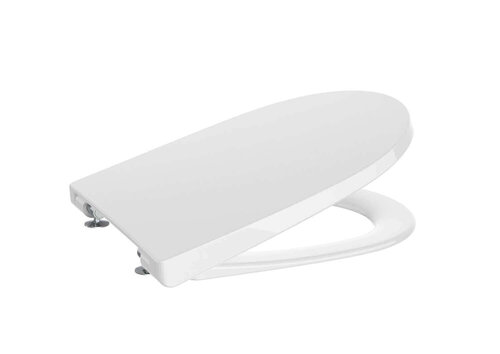
Roca SupraLit Compact Soft Close Toilet Seat - White
White compact soft-close toilet seat with Supralit material and quick-release hi…
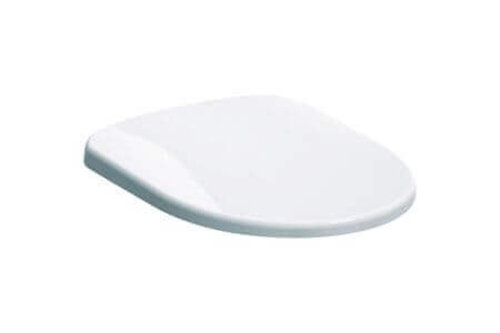
Geberit Selnova Seat and Cover Top Fix Hinge
Geberit Selnova toilet seat and cover with top fix hinges
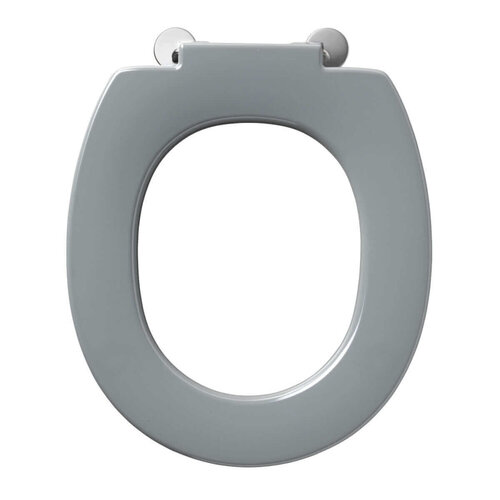
Armitage Shanks Contour 21 Toilet Seat with Retaining Buffers - Grey
Grey plastic toilet seat with retaining buffers, conforms to BS 1254, 5-year gua…
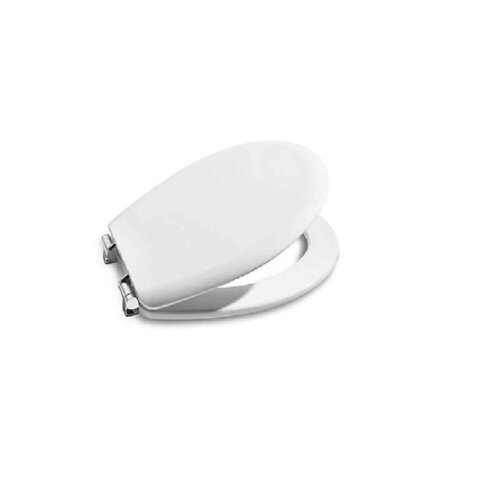
Roca Laura-N Soft Close Seat
Roca Laura-N soft close toilet seat with 2-year guarantee
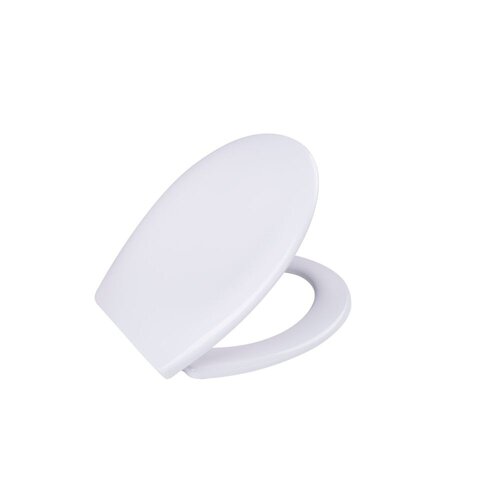
Iflo Cascada Soft Close Toilet Seat & Cover
Soft-close toilet seat and cover in crisp white finish.
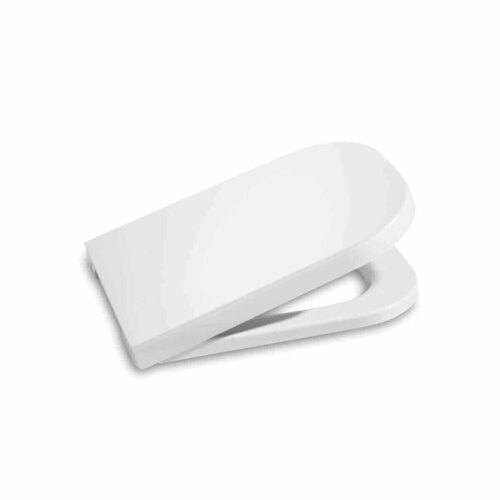
Roca the Gap Soft Close Toilet Seat and Cover - White
Soft-close white toilet seat and cover from the Roca the Gap collection
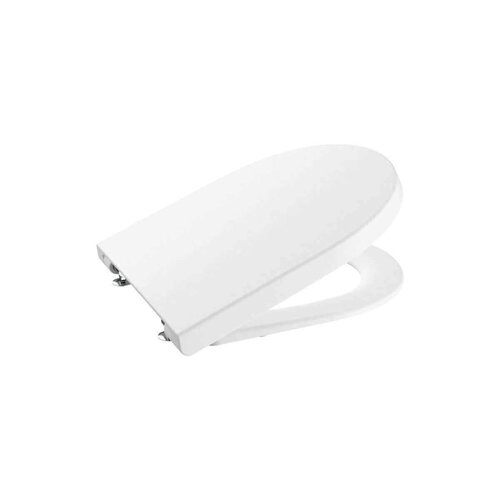
Roca The Gap Round Soft Close Toilet Seat & Cover
Soft close round toilet seat with cover, easy install, 2-year guarantee
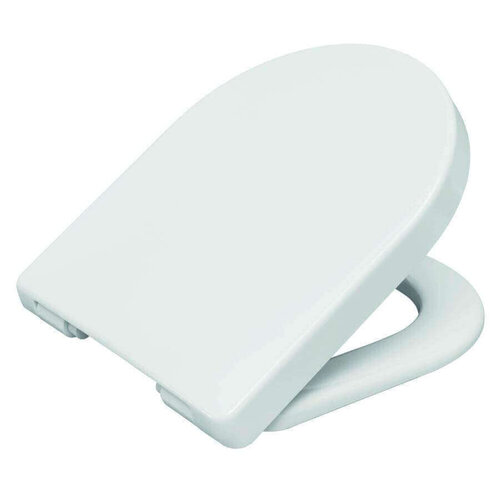
Siamp Principaute Premium Toilet Seat
White soft-close toilet seat with quick-release and adjustable centres
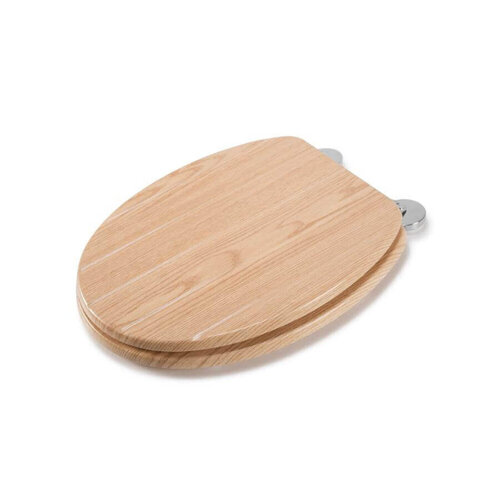
Croydex Geneva Toilet Seat
Flexi-fix toilet seat with anti-bacterial treatment for standard toilets
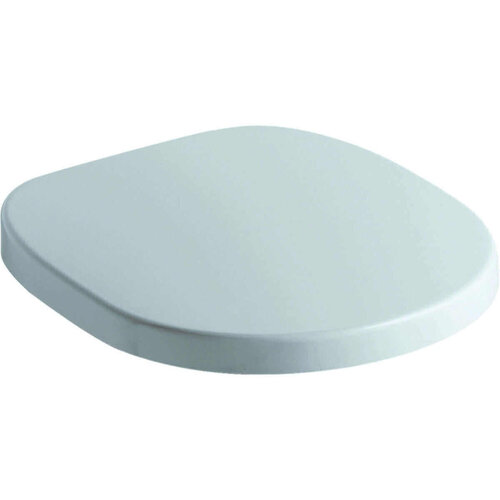
Ideal Standard Concept Slow Close Toilet Seat and Cover
White slow-close wrapover toilet seat with top-fix hinges
For the Trade
Start with the pan and how the seat will be used, then the rest falls into place. On a tight pan or in a busy cubicle, you usually want something easy to handle and quick to clean. A heavy duty toilet seat makes more sense where it will take more knocks. Soft close toilet seats suit jobs where slam noise matters, but they add another moving part. A quick release toilet seat is worth it when cleaning access matters, though the fixing needs to be right or it will feel loose. Finish comes last. White is the default. Black only works when the rest of the room already carries it.
Toilet Seat Options Compared
Most toilet seats come down to shape, fixing style and how much handling abuse they’ll take. A standard replacement toilet seat is the usual call when you need a straight swap and want to keep the price down.
A soft close toilet seat suits jobs where slam damage or noise matters, but you pay for the hinge mechanism. Quick release toilet seats help when cleaning access matters, though the fittings need to be right or they can feel loose.
Wooden toilet seats give a firmer feel than moulded plastic. A round toilet seat still fits the pans that need it. If you’re matching a wider scheme in Bathrooms, keep the seat choice tied to the pan and the job, not just the finish.
Choosing Materials and Size
If you’re replacing toilet seats, start with fit and fixing. Then judge how much use the seat will take.
A soft close toilet seat is worth the extra spend where slamming is a problem. It adds another moving part, so it is not the first choice for a rougher job.
Quick release suits jobs where cleaning access matters. Check the hinge set matches the pan, or you’ll be back to it.
For a straight swap, a plain white toilet seat is usually the least awkward option. If the rest of the room is being refreshed, Bath Panels and Bathroom Accessories are the next bits that tend to get picked at the same time.
Completing the Setup
Once the seat’s chosen, the next call is usually what’s happening around the pan. In a refit, that can mean keeping the finish in step with nearby bath panels or with bathroom accessories and furniture already going in.
A white toilet seat is the usual swap when you want it to disappear. Black or wooden toilet seats suit a stronger finish. Quick-release and soft close toilet seats come into play when cleaning and wear matter, because those are the details that get noticed later if they’re wrong.
Related searches
Local availability for Toilet Seats











