Bathrooms
When you’re pricing up bathrooms, the first question is usually what’s driving the job - a straight replacement, a tighter cloakroom, or a fuller refit. That decides whether you need basic bathroom supplies and bathroom equipment, or a range that needs more matching across the room. Cost matters, but so does how much finishing work is left on site. The wrong mix leaves you short on the last fix.
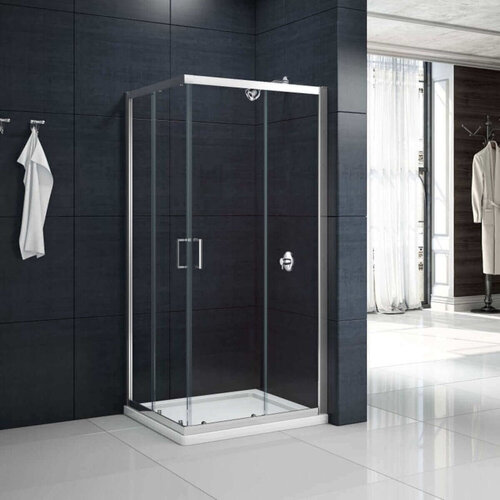
Merlyn Mbox 2018 Shower Door Screen Side Panel - 800mm
800mm Merlyn MBox side panel for shower screen, reversible easy fit
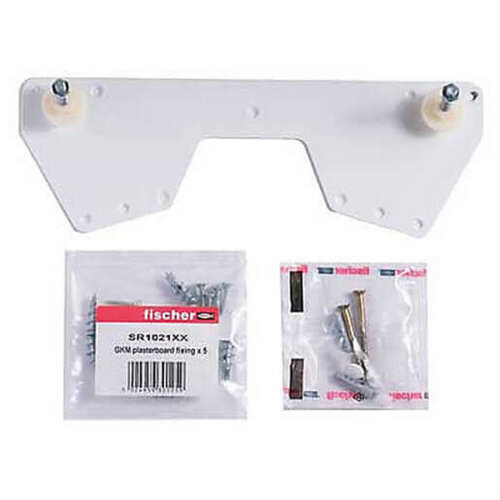
Twyford Total Install Bracket
Steel bracket kit for wall-hung basins and urinals with 225mm centres
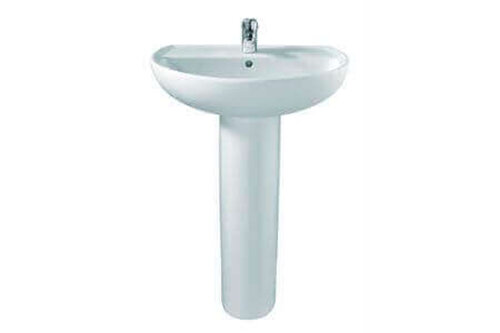
Twyford Alcona One Tap Hole Washbasin - 500mm x 410mm
White Alcona handrinse basin, 500x410mm, centred tap hole, visible overflow
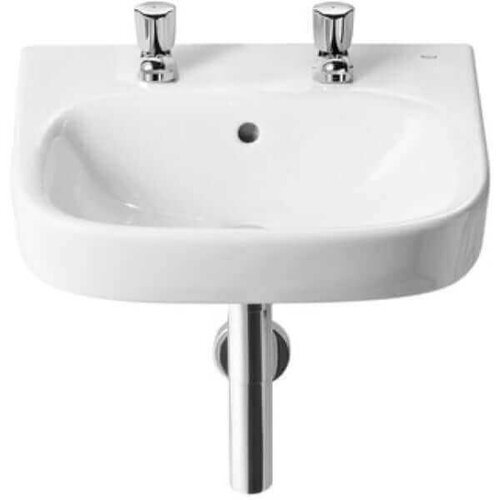
Roca Debba Wall Hung Basin Unit - 550mm 2 tap holes
Vitreous china wall hung basin unit, 550 millimetres wide with 2 tap holes
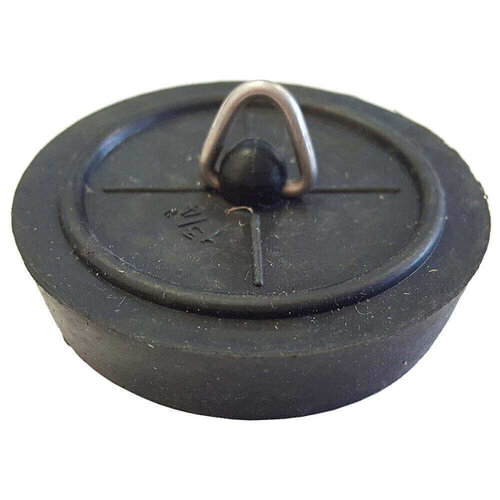
Select Hardware Bath Plug - 38mm Black 2 Pack
Select Hardware black bath plug 38mm, pack of 2
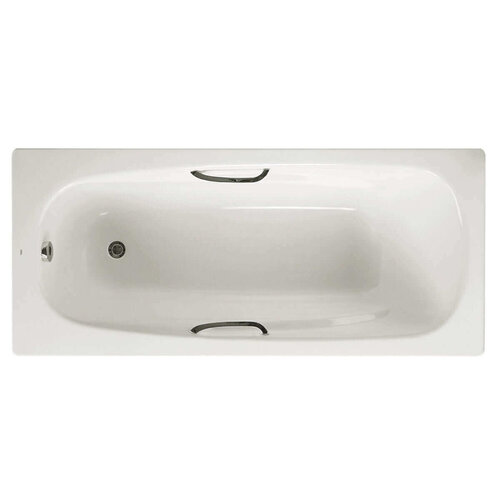
Roca Carla Straight Steel Bath - 1600mm x 700mm 2 tap hole (Grip holes)
1600mm x 700mm steel bath with heat-retaining triple-coated enamel
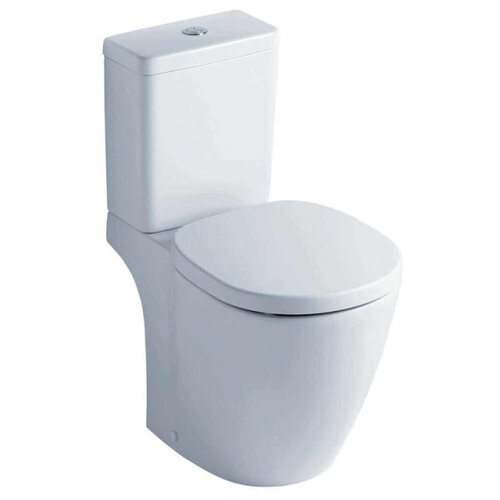
Ideal Standard Concept Cube Dual Flush Close Coupled Cistern - White
Close coupled dual flush cistern with push-button valve, white, 380x315x175mm
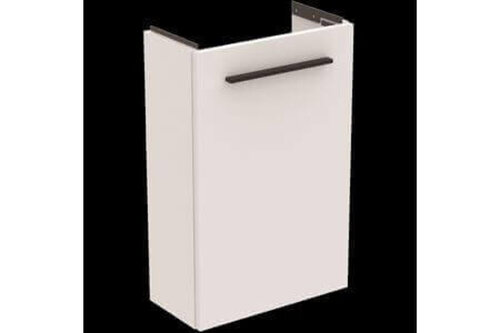
Ideal Standard I.Life S Guest Washbasin Unit with 1 Door Separate Handle Require…
Matt white washbasin unit, 410mm wide, 1 door, handle required

Multipanel Tile Hydrolock - 2400mm x 598mm Taupe Grey 400mm x 580mm Tile
2400mm x 598mm taupe grey tile-effect wall panel with HydroLock edge
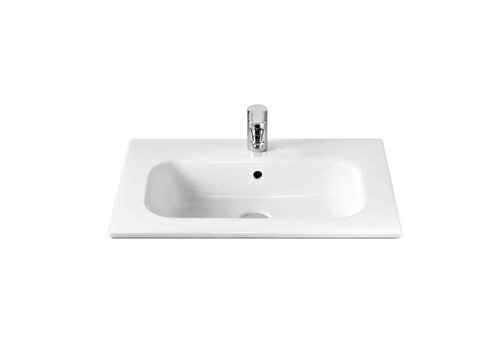
Roca Victoria-N Basin - 600mm x 460mm White
Vitreous china basin, 600x460mm, 1 taphole, white, 25-year guarantee
For the Trade
Start with the space you’ve got and how the room will be used. That usually narrows bathrooms faster than finish choice. Tight layouts push you towards compact pieces and fewer extras. A fuller refit gives you more room to think about storage, access and the rest of the spec. Pick the main item first, then work out what has to sit around it. If you’re comparing the wider Bathrooms & Kitchens range, that’s where the job stops being about looks and starts being about fit, use and what you can drop.
Bath Panels
Bath panels come down to fit, finish and how much of the bath you need to cover. A plain front panel is usually the economical pick for a straightforward replacement. Matching end panels matter when the bath is exposed on more than one side and you want the job to look finished.
Acrylic is lighter and easier to handle. A stiffer board or reinforced panel tends to hold up better where the front gets knocked about.
Measure the bath properly before you order. A panel that’s out by even a touch is the one that gets sent back. For the narrower buy within this range, see Bath Panels.
Bathroom Accessories
When you’re choosing bathroom accessories, start with what needs finishing and how hard the room gets used. A simple refit usually only needs the basics. A busier room needs pieces that stay put and hold up after repeated cleaning.
If you’re matching out a full set of bathrooms, keep the finish consistent across the room. For a one-off repair, match the existing fixing pattern and style so you do not create extra work.
For the narrower buy, Bathroom Accessories covers the finishing items rather than the main sanitaryware.
Bathroom Furniture
Bathroom Furniture usually comes down to storage, available floor space, and whether you want wall-hung units or a floor-standing run. Wall-hung pieces keep the floor clear and make cleaning easier, but they need the right fixing and more care on set-out.
Floor-standing units are simpler to fit and often the safer call where the walls or structure are not giving you much to work with. If you want a narrower buy within this range, Bathroom Furniture is where you separate storage-led pieces from the rest of the bathrooms kit.
Bathroom Lighting
Bathroom lighting usually comes down to two things: how much light the room needs, and how the fitting sits with the rest of the job. A small room with decent daylight may only need a neat, low-profile fitting. A darker bathroom or a full refit often needs more output and a cleaner finish.
The usual snag is choosing on looks first, then finding the beam, size or fixing style does not suit the space. Keep it practical and it is easier to narrow the bathrooms range without overbuying the rest of the bathroom equipment.
Bathroom Suites
Bathroom suites suit jobs where you want the main sanitaryware matched and signed off in one go, rather than piecing it together from separate lines. They work well on a full refit or a like-for-like replacement where the client wants a consistent look and you do not want to waste time matching finishes across different ranges.
You do give up some flexibility. If the room needs a specific basin size, a different pan style, or a separate upgrade on one item, buying each part on its own can make more sense. Suites cut out the awkward mix-and-match decisions that slow a job down.
Bathroom Wall Panels
Wall panels suit jobs where you want a quicker lining than tiling and you are not building in lots of trims or feature work. The main question is how much wear the wall will take and how clean you need the finish to stay.
In busy bathrooms, a tougher panel with fewer joints usually saves trouble later. Lighter decorative boards suit straightforward refits where speed matters more than impact resistance. If the job needs a tiled look, these are not the answer. If you are only covering the exposed side of a bath, bath panels are the better fit.
Key Differences When Choosing
You usually narrow bathrooms by three things: how much wear the room will take, how much fixing time you’ve got, and what has to match the rest of the job. Standard trade bathroom supplies work for straightforward refits. Once the spec needs easier cleaning, better access, or a more controlled finish, the choice changes quickly.
Storage-heavy pieces make sense where the room has to do more than hold sanitaryware. Simpler equipment keeps the job lean and avoids overcomplicating a small space. If the brief includes accessibility, Assisted Living is the one to move to. The fittings and layout needs are different, and standard products do not suit that role.
Next Decisions After Choosing
After you’ve picked the main sanitaryware, the next call is what finishes the room cleanly and what needs to be on site before the last fix. That means checking panels, screens, storage, and the small items that stop you coming back for one missing part.
A bath with exposed sides needs the right panel. A shower area needs the screen sorted early. Storage should be agreed before the pipework is boxed in. The smoothest jobs are the ones where you choose the finishing pieces with the main bathroom equipment, not at the end.
Related searches
Local availability for Bathrooms















