Hand Dryers
If you’re choosing hand dryers, start with how hard they’ll be used and how much noise you can live with. High-speed units suit busy washrooms where turnaround matters. Simpler wall mounted hand dryers work well where traffic is lighter and the spec is tighter. Finish matters too. Stainless steel usually gets picked where the unit will take more knocks, while white or black is more about the look. Smaller units are easier to place, but you give up some output and sometimes a bit of durability.
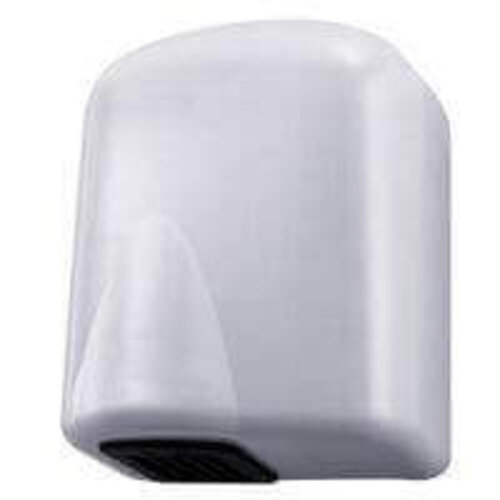
Breeze Hand Dryer - White
High-speed hand dryer with infrared sensor, ideal for areas with medium to low f…
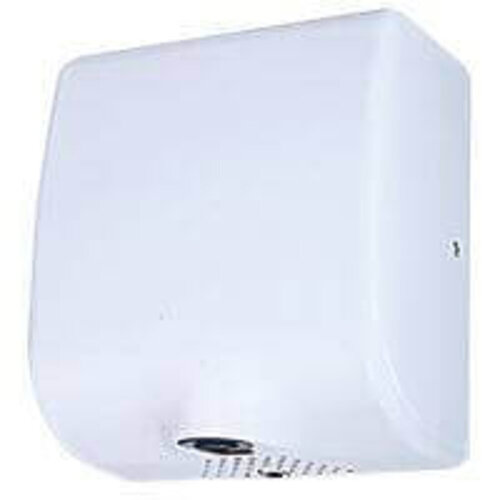
Cyclone Automatic Hand Dryer - White
High-speed hand dryer with anti-bacterial filter, 95% cost saving vs paper towel…
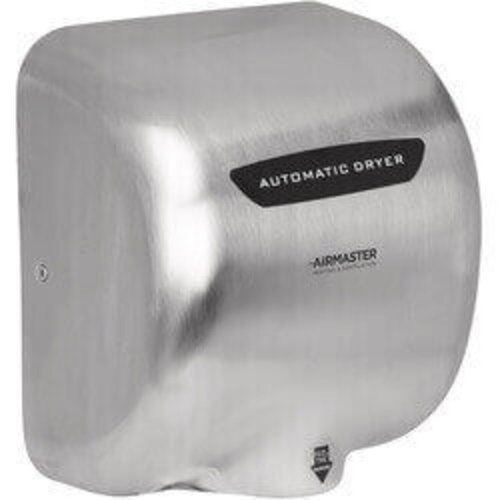
Automatic Hand Dryer - Brushed Chrome 1800W
Brushed chrome 1800W automatic hand dryer with 360° nozzle and 10-15s dry time
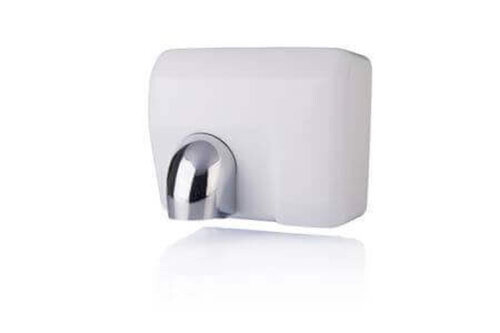
Hyco Tornado Automatic Hand Dryer - 2.5kW White
White 2.5kW automatic hand dryer
For the Trade
What usually decides hand dryers on a job is the balance between drying speed, noise, and how much abuse the unit will take. In a busy washroom, a high speed model usually earns its keep because it clears users through quicker, but you give up a bit on noise and sometimes on running cost. In a quieter toilet or smaller washroom, a simpler automatic unit can be the better fit if the spec is tighter. Wall mounted hand dryers are still the common call where you want the unit kept clear of knocks, and the finish usually follows the rest of the room rather than changing the job.
Hand Dryer Options Compared
For most jobs, you’re weighing up speed, noise and how much kit you want on the wall. High speed hand dryers suit heavier use because they clear the queue quicker, but they usually need more thought on noise and power draw.
Automatic hand dryers are the common middle ground. They’re touch-free and straightforward, and they work well where you want less faff than paper. If the spec is tighter, a simpler wall mounted unit can be the easier fit, though you give up some drying pace.
For the broader Commercial range, that’s usually where the rest of the washroom spec gets decided too.
Choosing Materials and Size
Material is where you narrow hand dryers down quickest. Stainless steel hand dryers usually get picked where the kit will take knocks and daily use is hard. The face feels firmer than acrylic, so it suits rougher treatment. The trade-off is handling. They are heavier to move and fix on site.
Size matters just as much. A compact unit works when wall space is tight. A larger body can be easier to live with if you have room. That is the sort of detail that changes the job, not the brochure.
If you are matching the rest of the washroom spec, Commercial Basins usually come into the conversation at the same time, and Commercial Extractor Fans matter where moisture build-up is part of the problem.
Completing the Setup
Once the hand dryers are fixed, the next call is usually what sits around them.
In a busy washroom, the wall finish needs to stand up to repeated use and cleaning, so you’re often looking at tougher panels or a better paint system rather than leaving a soft finish behind the unit. If the room also needs to stay clear and dry, extractor fans and nearby storage come into the same decision. A dryer that works on paper can still be awkward if the wall space is crowded or the air movement is poor.
Related searches
Local availability for Hand Dryers




