Commercial
Commercial ranges usually come down to duty, cleaning regime and how much abuse the kit will take. For a straightforward refurb, the lighter option often makes sense. For heavier use or tougher cleaning, choose the version that stands up better, even if it costs a bit more. Buying on appearance alone is where jobs go wrong, especially when the finish, fixing method or maintenance level does not suit the site.
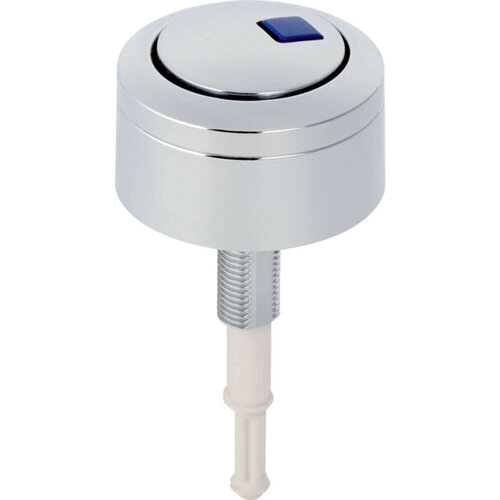
Geberit Type 280 Dual Flush Actuator Push Button
Geberit Type 280 dual flush actuator in polished chrome/blue
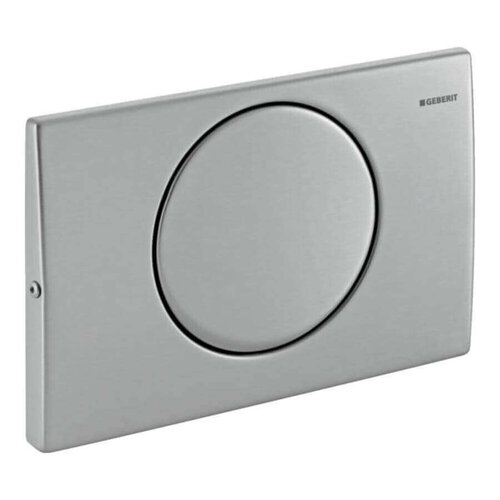
Geberit Delta10 Single Flush Plate - Brushed stainless steel
Geberit Delta10 single flush plate with brushed stainless steel finish.
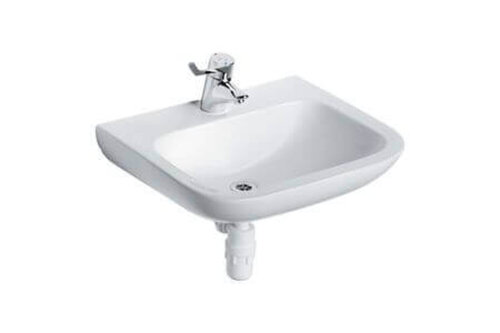
Ideal Standard Portman 21 Wall Mounted Wash Basin 1 Centre Tap Hole - 500mm
Wall mounted vitreous china wash basin with single centre tap hole, 500 millimet…
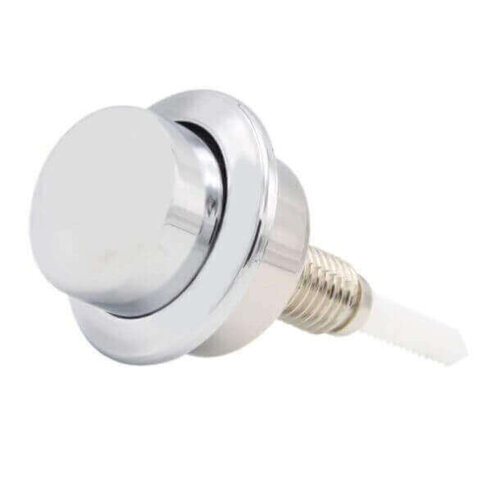
Siamp Optima 49 Raised Replacement Single Flush Push Button - Chrome
Siamp Optima 49 raised chrome single-flush push button
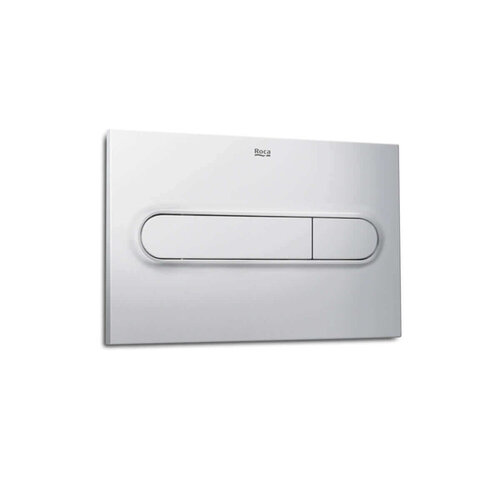
Roca PL1 Operating Panel - Matt
Matt chrome dual flush operating panel for toilets, easy to install
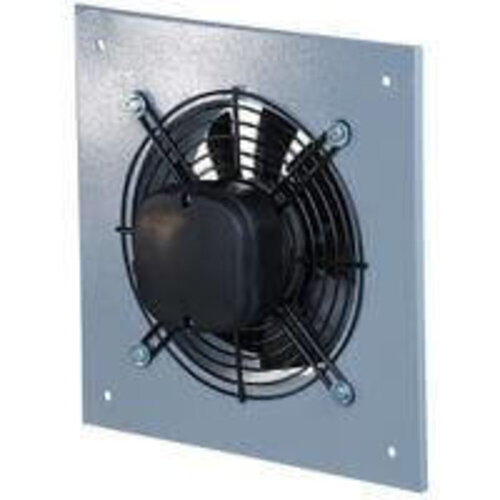
National Ventilation Plate Mounted Axial Extractor Fan - 355mm, 140W, 2500 m³/h,…
Industrial plate-mounted axial extractor fan, 355mm, 2500 m³/h.
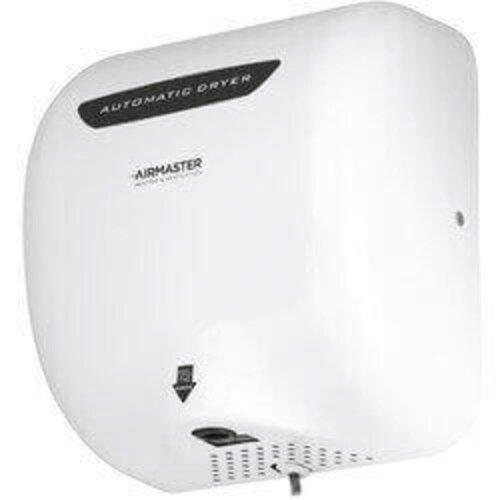
Automatic Hand Dryer - White 1800W
White 1800W automatic hand dryer with 360° nozzle and 10-15s dry time
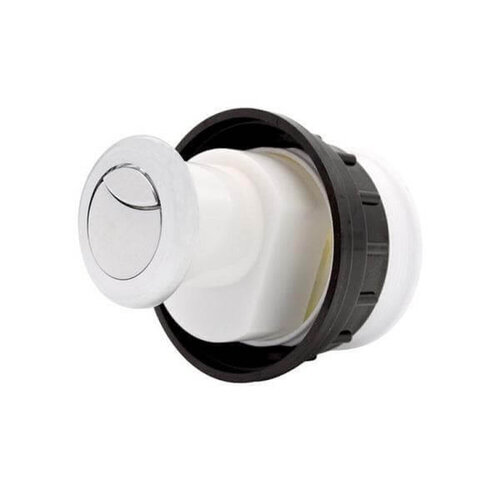
Thomas Dudley Vantage Dio Dual Flush Button - Chrome Plated
Chrome plated dual flush button for water-efficient toilet operation
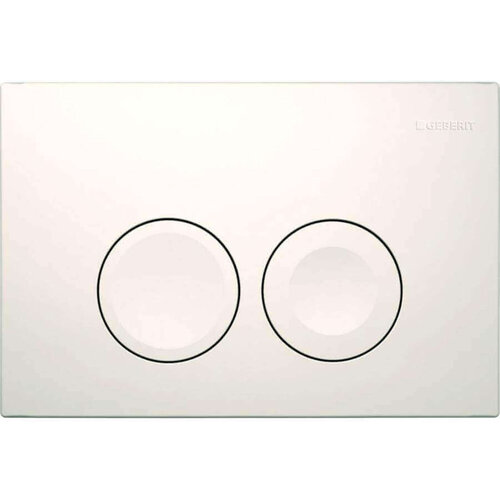
Geberit Delta25 Dual Flush Plate - Alpine White
Geberit Delta25 dual flush plate in Alpine White plastic
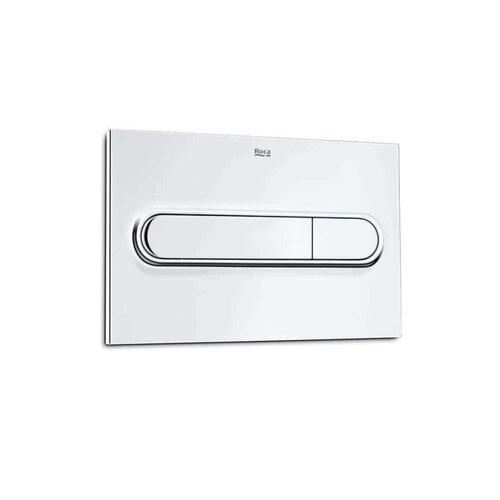
Roca PL1 Dual - Chrome
Chrome dual flush toilet button, easy to install
For the Trade
Start with the space you’ve actually got and how the kit will be used, then the spec usually narrows itself. Tight layouts push you towards slimmer, simpler commercial options. Busier washrooms and kitchens usually need fittings that stand up better and are easier to keep clean. That’s where Bathrooms & Kitchens helps you keep the job in the right lane before you get drawn into finishes and add-ons. The call-backs are usually the jobs where looks came first and the practical fit was checked too late.
Commercial Basins
Start with who’s using the basin and how hard it will be worked. A light-use office washroom can get by with a simpler commercial sanitaryware choice. A public or staff area usually needs a tougher bowl, stronger fixing points, and a finish that stands up to constant cleaning.
If you’re matching existing commercial plumbing fittings, check the outlet position and tap hole layout before you commit. That’s where jobs get held up. If you only need the basin, Commercial Basins is the narrower buy. If you need the rest of the washroom spec, you’re back in the wider commercial range.
Commercial Extractor Fans
Start with how hard the space works and how long the duct run is. A basic unit is fine when you only need steady clearance and the run stays simple. Once the extract path gets longer or the room sees heavier use, you need more pull, not a cheap fan that sounds busy and moves little air.
Noise matters too, especially near occupied areas, so a quieter spec is worth paying for. If the job is local extraction at the source, Commercial Extractor Fans are the right buy. If you are only dealing with the basin area, you need a different fit.
Commercial Kitchens
Commercial kitchens come down to what the space has to do day in, day out. Prep, service and wash-up all put different pressure on the room, so the spec changes fast.
Heavy use and constant cleaning call for tougher finishes and fittings that stay put. A lighter back-of-house area can often stay simpler. If you need the narrower buy within this range, Commercial Kitchens is the one to open first. The usual mistake is mixing general commercial kit into a kitchen job and finding it does not stand up to the pace.
Commercial Showers
For commercial showers, start with duty cycle and control. A simple manual set works where use is steady and the run is short. Once traffic picks up, timed or thermostatic control usually makes more sense because it keeps water use and temperature more consistent.
Then check the rest of the spec. Pressure, outlet type, and how much abuse the fitting will take all matter. Most call-backs come from the shower being picked without matching it to the actual use, not the pipework.
Drinking Fountains
Drinking fountains usually come down to who’s using them and how hard the area gets hit. In a staff corridor or school block, you need something that stands up to repeated use and stays easy to clean. In a lighter commercial setting, a simpler unit may be enough.
The main trade-off is between a more substantial commercial sanitaryware choice that takes abuse and a plainer option that keeps the spec and spend down. If the job also needs matching outlets or nearby wash points, choose the rest of the commercial plumbing fittings around the same duty level. Mismatched kit tends to show up later.
Hand Dryers
You’re usually weighing up three things with hand dryers: how quickly the washroom turns over, how much noise you can live with, and whether the electrical side suits the job. Faster units work where traffic is steady, but they can be louder and cost more to buy.
Slower, simpler models are often fine in lower-use areas and are easier to justify on cost. Most call-backs come from fitting a unit that doesn’t suit the room use, not from the drying itself. If the spec is tight, commercial electrical fittings can matter as much as the dryer choice.
What to Check Before You Buy
For commercial jobs, start with how hard the kit will be worked and who’s using it. Heavy traffic, cleaning and public abuse push you towards tougher commercial sanitaryware and finishes that take more punishment. Lighter staff areas can usually run a simpler spec and keep cost down.
If the job needs easier access or safer use, Assisted Living is the route to take because the fittings and clearances change the choice. The usual mistake is buying on appearance, then finding the fixing, cleaning or replacement cycle doesn’t suit the building.
Useful Alongside Commercial
Once you’ve picked the main commercial kit, the next call is what has to sit around it. Panels, screens, storage and finish details matter here. A job can look right on paper and still be awkward if the surrounding pieces don’t line up.
In practice, you’re usually deciding whether you need harder-wearing commercial sanitaryware and commercial plumbing fittings to match the use, or whether the rest of the room can stay simpler. The call-back jobs are often the ones where the finish was left until last, not the main item.
Related searches
Local availability for Commercial











