Sinks
Kitchen sinks start with bowl count, fixing style and what the worktop will take. A single bowl keeps the footprint tight and leaves more uninterrupted space. A 1.5 bowl or double bowl gives you separate prep and rinse areas when the job calls for it. Stainless steel is still the easiest option on most sites. Ceramic and composite are chosen when the spec needs a different finish and you can work with the extra weight or care they need.
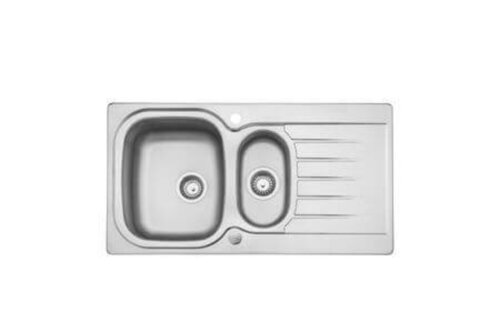
Leisure Eaton 1 Taphole Kitchen Sink 1.5 Bowl Reversible Drainer - Stainless Ste…
Stainless steel 1.5 bowl kitchen sink with reversible drainer, 950x508mm.
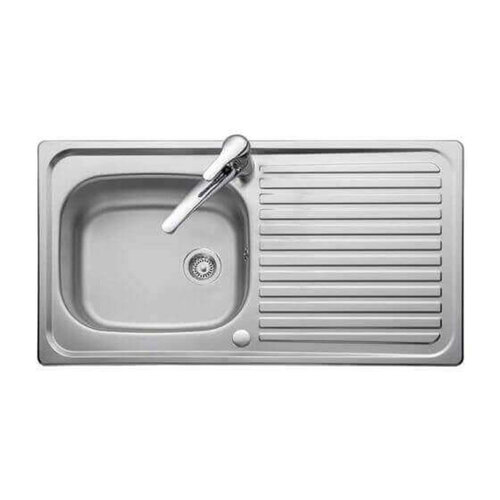
Leisure Sinks Linear 1 Bowl Inset Kitchen Sink with Reversible Drainer - 0.6mm S…
1 bowl inset kitchen sink with reversible drainer, satin stainless steel, 950x50…
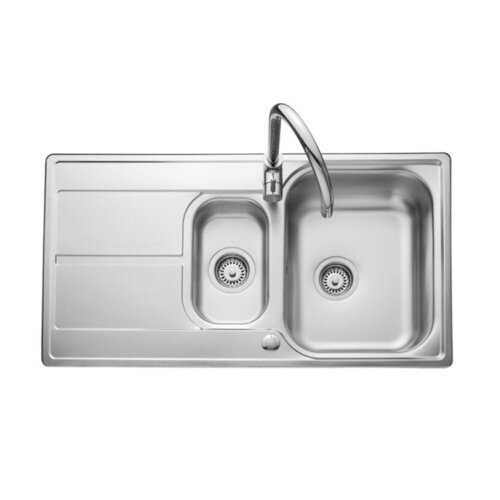
Leisure Aria S/S Inc. Waste - 950mm x 508mm 1.5 bowl
Stainless steel 1.5 bowl sink with waste and sound-deadening pads, 950 x 508mm
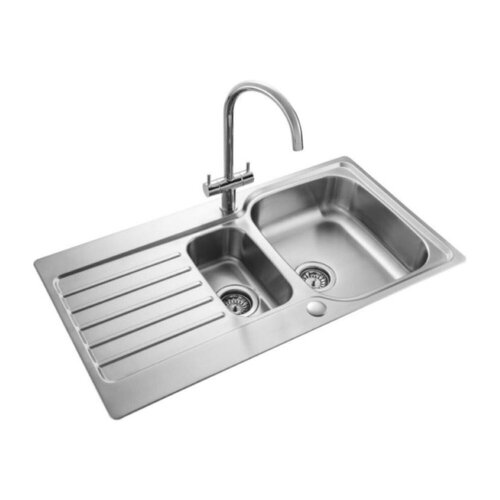
Leisure Sinks Atlanta 1.5 Bowl - 950mm x 508mm Stainless Steel
Leisure Atlanta 1.5 bowl sink, 950mm x 508mm, stainless steel
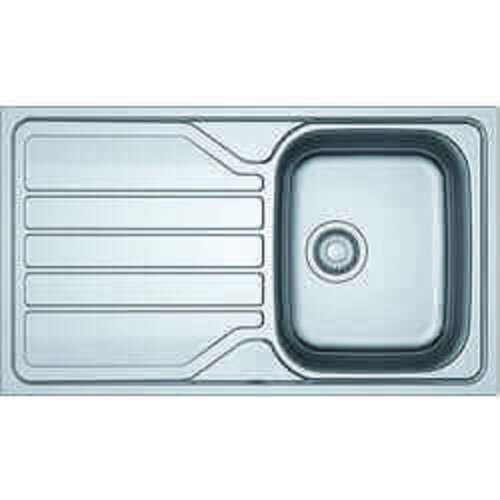
Franke Flash Reversible Stainless Steel Kitchen Sink & Drainer - Single Bowl
Single bowl inset stainless steel sink & reversible drainer, 860x500mm
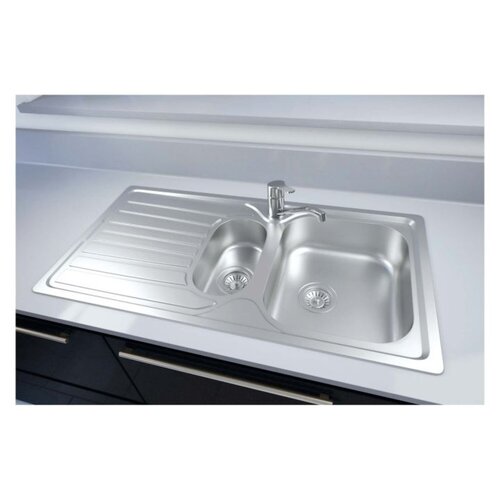
Reginox Monaco 1.5 Bowl Stainless Steel Sink & Tap Pack
Stainless steel 1.5 bowl sink and tap pack: 340 millimetre main bowl, 160 millim…
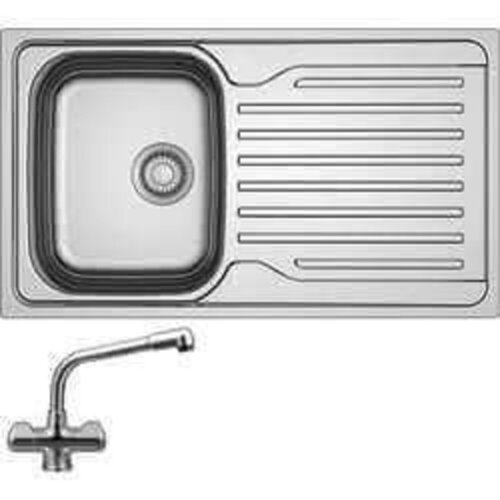
Franke Antea Reversible Stainless Steel Kitchen Sink with Danube Mono Mixer Tap …
Franke Antea single bowl stainless steel sink with Danube tap, reversible instal…
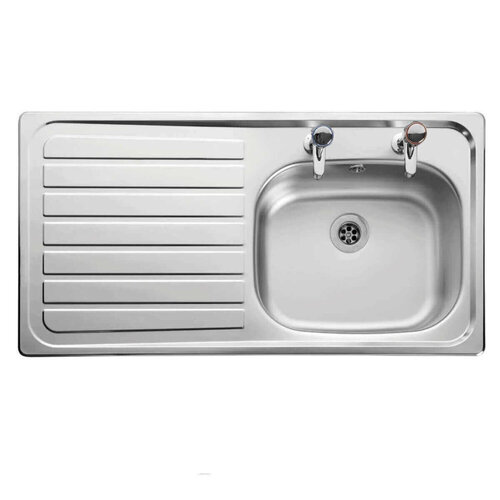
Iflo 1 Bowl 2 Tap Hole Left Drainer Kitchen Sink
Iflo 1 bowl stainless steel kitchen sink with left drainer, satin finish.
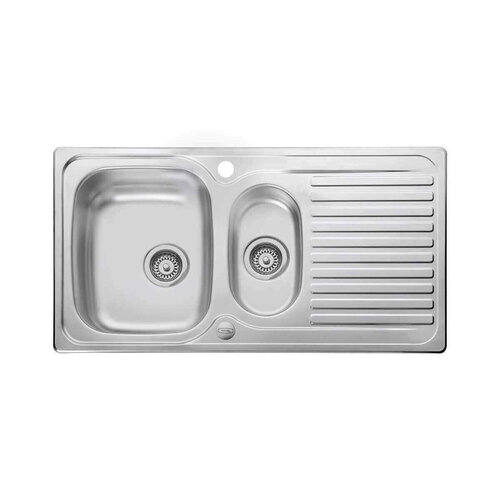
Leisure Sinks Linear 1.5 Bowl 1-Tap Sink - 950mm x 508mm Chrome
Stainless steel 1.5 bowl sink with chrome finish and reversible drainer
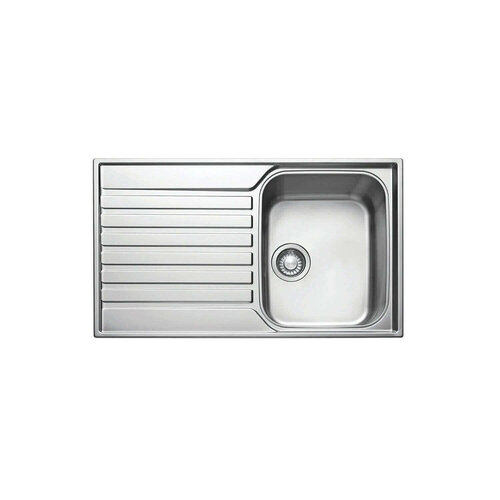
Franke Bowl 2 Tap Hole Left Hand Kitchen Sink - 950mm x 508mm
950x508mm left-hand kitchen sink with 2 tap holes and reversible drainer
For the Trade
What usually decides kitchen sinks is cabinet size, the fixing method and how much room you’ve got around the cut-out. If the job is tight on space or the client wants a cleaner line, an undermount kitchen sink is often the one you end up with. Need a quicker, more forgiving fit? An inset kitchen sink is usually the safer call. After that, material comes down to handling and finish. A stainless steel kitchen sink is lighter and easier to work with on site, while ceramic and composite options are chosen more for the look and feel of the finished job.
Popular Sink Formats
A plain working bowl is the cleanest starting point for trade kitchen sinks when you want the least fuss around the cut-out and the simplest plumbing run. Add a half bowl when the job needs a separate rinse point but not the footprint of a full second bowl. Double bowl units suit busier kitchens where one side can stay in use while the other is cleared, but you give up bowl size to get that split. If the worktop detail matters, an undermount kitchen sink gives a neater edge and works best where the top can take the fixing; an inset kitchen sink is the easier fit when you want a more forgiving install.
Key Differences When Choosing
Material is usually the first call on kitchen sinks. It changes handling as much as the finished look.
A stainless steel kitchen sink suits hard daily use. It gives you a tougher working face and less to worry about on busy sites. The trade-off is weight. It’s heavier to move than acrylic on many jobs.
A ceramic kitchen sink gives a harder, more rigid feel, but it needs more care on site. Composite sits between the two on a lot of jobs. It’s less brittle than ceramic and usually quieter in use, though you give up some of the crisp finish.
If the sink has to sit with appliances or a run of Splashbacks, check the finish together before you order.
Next Decisions After Choosing
Once you’ve picked the sink, the next call is what sits around it. If the cut-out is tight or the wall finish is already fixed, sort the surrounding panels and splashback first. That avoids awkward gaps and call-backs.
If the run needs more storage, kitchen accessories and storage bins matter more than most people allow for. They decide whether the waste area stays usable or turns into dead space. If the job includes a waste disposal unit or a strainer waste, check the bowl and waste layout together. That’s where a lot of kitchen sinks get held up.
Related searches
Local availability for Sinks






