Worktops & Fittings
The first question is what the job needs the top to do - plain replacement, a full refit, or a harder-wearing spec. Laminate worktops keep spend down and suit straightforward runs, while solid wood worktops or oak worktops fit jobs that need a more natural finish and a bit more upkeep. If you need fewer joins or a tougher edge on a busy run, compact laminate worktops are often the better shout, but they’re less forgiving on handling and cutting.
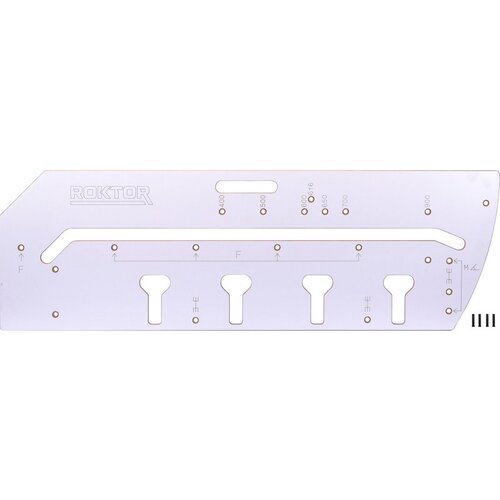
ROKTOR Worktop Jig - 900mm
ROKTOR laminated fibreboard worktop jig for joints and clamp recesses
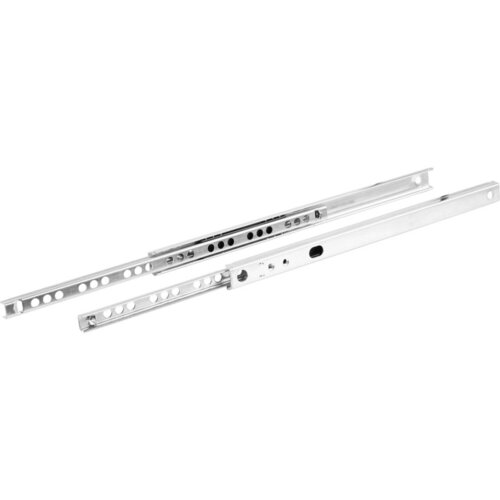
Groove Drawer Runner - 246mm 2 Pack
Zinc-plated steel drawer runner for 17mm grooved drawers, pack of 2

Paint & Paper Library Pure Flat Emulsion Sample - 125ml Stone I 605
125ml sample pot of Pure Flat Emulsion in Stone I 605.
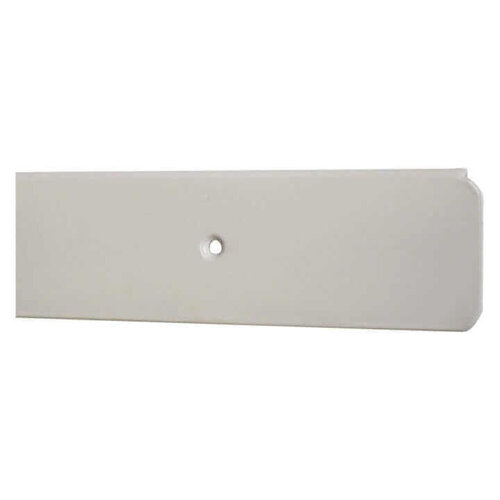
Worktop End Trim - 40mm White with 6mm Radius
White worktop end trim, 40 millimetres wide, 6 millimetre radius.
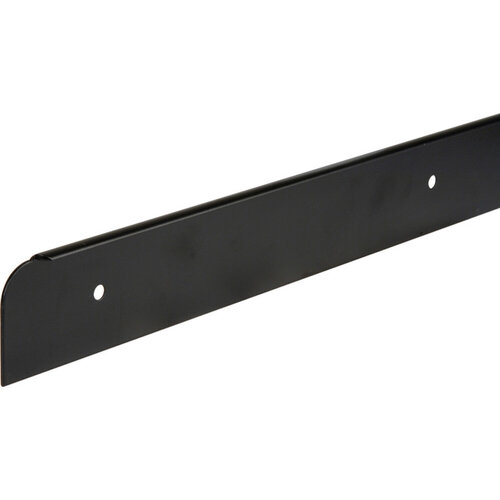
Black Worktop Strip - End Cap 30mm
Matt black worktop end cap strip, 630mm length
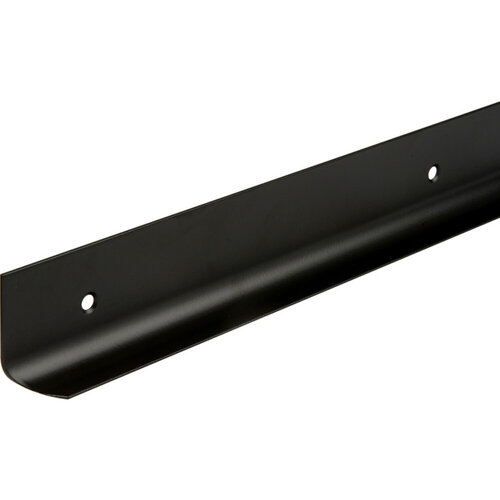
Black Worktop Strip - Corner 30mm
Matt black worktop corner strip, 630mm length
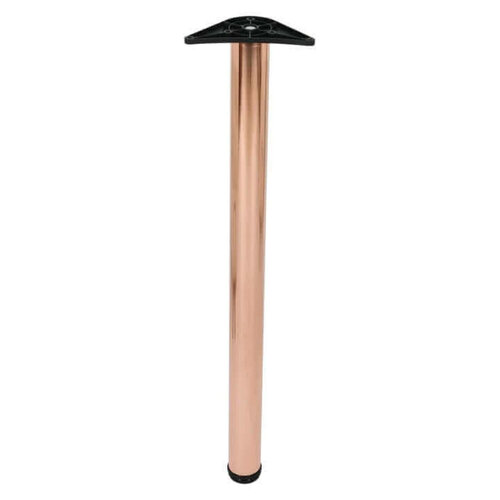
Rothley Worktop Leg 60mm x 870mm - Polished Copper
Adjustable steel leg for kitchen worktops, polished copper finish
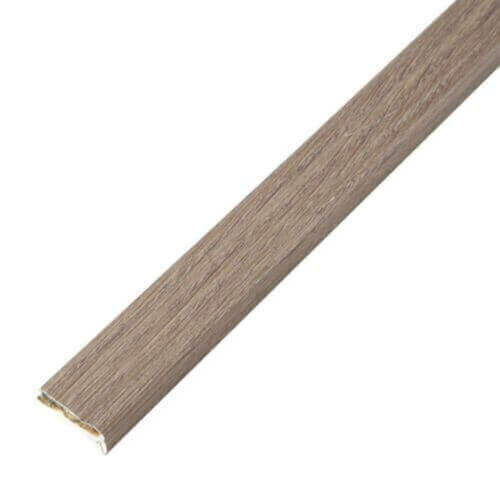
QA Flooring Self-Adhesive Coverstrip - 38mm x 900mm Light Grey Oak
Self-adhesive light grey oak coverstrip, 38mm x 900mm
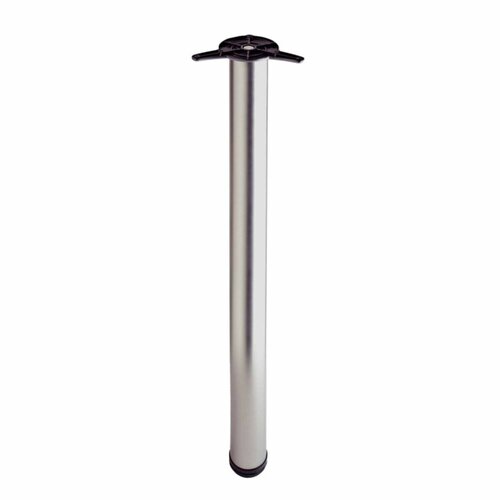
Rothley Worktop Support Leg - Brushed Nickel
Brushed nickel steel and nylon worktop support leg, 870 millimetres high with 60…
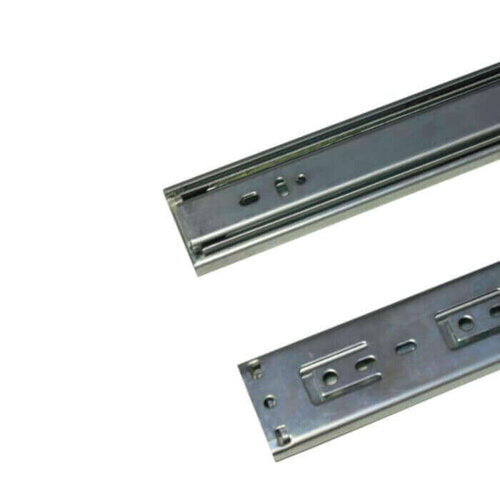
Drawer Runner Self Closing Ball Bearing - 450mm
Self-closing ball bearing drawer runner, 450mm, smooth and jam-resistant
For the Trade
You narrow worktops by the job first, not by the finish. Check the run, how many joints you can live with, and what you can handle on site before you settle on a spec. Laminate worktops usually make sense where cost and speed matter. Solid wood worktops suit jobs where the client wants a more natural look and accepts the upkeep. Compact laminate worktops are often picked where you want a slimmer, harder-wearing top and fewer visible joins. They can be less forgiving to cut and fit. The call usually comes down to what you can carry, what you can scribe cleanly, and what the rest of the kitchen will tolerate.
Popular Worktops & Fitting Formats
If you’re pricing up Kitchens, start with the format that fits the job, not just the finish. Laminate worktops are the usual pick for a straightforward run and sensible cost, but they’re less forgiving if the site is rough or the joints need to be kept tight.
Oak worktops and other solid wood worktops suit jobs where the client wants a timber look and you can live with the extra care they need. Butcher block worktops make sense in heavier-use prep areas where a thicker timber face helps.
Solid surface worktops are the one to look at when you want fewer visible joins and a cleaner return around awkward shapes. Worktop offcuts are worth a look for short runs, repairs, or utility jobs where full lengths would just create waste.
Key Differences When Choosing
Material comes first. Then look at the run.
Solid wood worktops suit jobs where you want a heavier feel and can allow for movement, plus a bit more care on site.
Laminate worktops usually win on speed and consistency. They make sense on straightforward runs where you want to keep cost and finishing under control.
Compact laminate worktops come into play when space is tight or you want a slimmer profile without adding bulk. The trade-off is less easy scribing and trimming than you get with other options.
Once the top’s fixed, the small jobs matter too. Kitchen Accessories and Kitchen Sink Waste Strainers are usually the bits that stop a tidy install turning into a call-back.
Next Decisions After Choosing
Once you’ve fixed the worktops, the next call is what finishes the run and what needs protecting around it. Upstands, edging and joints stop a decent top looking patched, and the wrong edge detail is where you end up with call-backs.
If the run is broken by appliances or a sink, check the cut-outs and offcuts before you order full lengths again. That’s often where the waste sits. Then move on to the surrounding pieces that finish the job cleanly, like splashbacks, storage and the small fittings that tie the kitchen together.
Related searches
Local availability for Worktops & Fittings






