Kitchens
Kitchen worktops usually come down to material, thickness and edge detail first. That changes the handling, the finish and the cost. Laminate keeps the job straightforward and economical on standard runs. Solid surface or other heavier options suit a different look or a tougher face, but you usually give up some ease of fitting and flexibility. The wrong size or edge profile causes most grief at the counter, not the colour.
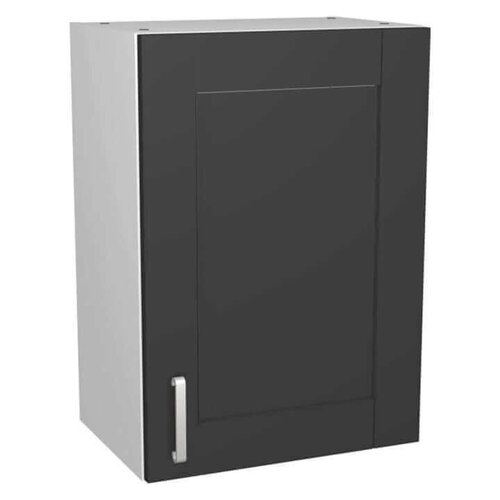
Verona Wall Unit - 500mm Dark Grey
Verona wall unit in dark grey, 500mm width, for kitchen storage
Paris Appliance Fascia Door - 600mm x 1052mm White
White 600mm x 1052mm appliance fascia door
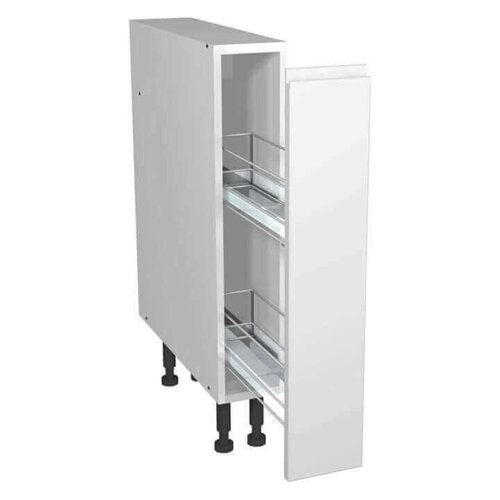
Capri Pull Out Base Unit with Wirework - 150mm White
White pull-out base unit with wirework, 150mm wide
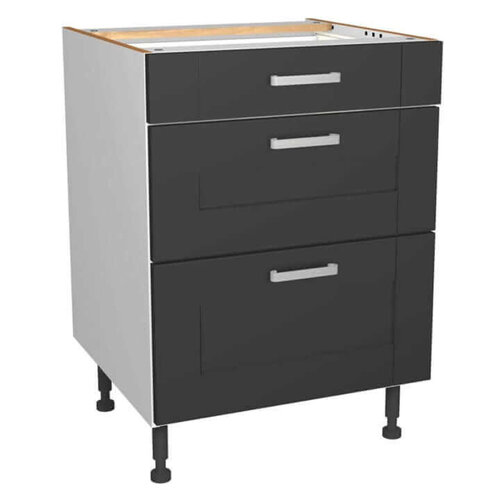
Verona Drawer Unit - 600mm Dark Grey
Dark grey 600mm drawer unit
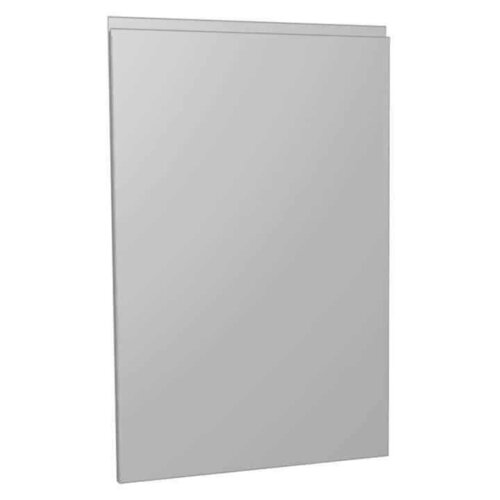
Capri Grey Appliance Fascia Door - 450mm x 700mm
Grey appliance fascia door 450mm x 700mm for integrated kitchens
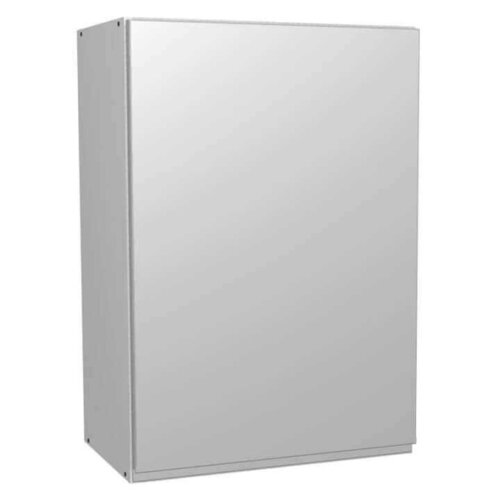
Capri Wall Unit - 500mm Grey
Grey kitchen wall unit, 500mm wide, with contemporary finish and practical stora…
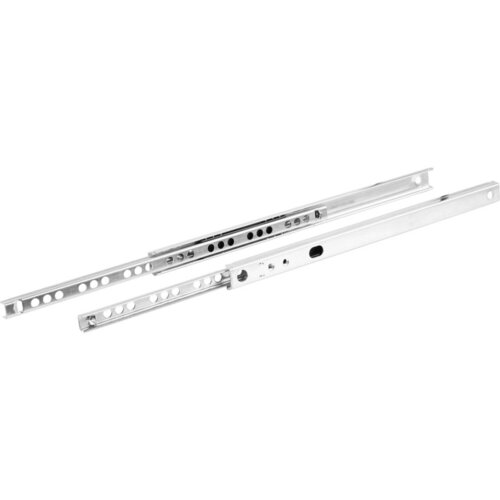
Groove Drawer Runner - 246mm 2 Pack
Zinc-plated steel drawer runner for 17mm grooved drawers, pack of 2
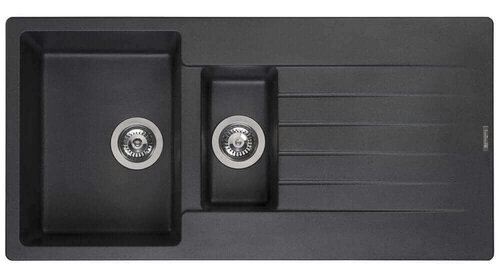
Reginox Harlem Reversible Composite Kitchen Sink & Drainer 1.5 Bowl - Black
Reginox Harlem black 1.5 bowl composite reversible sink & drainer, 1000x500mm
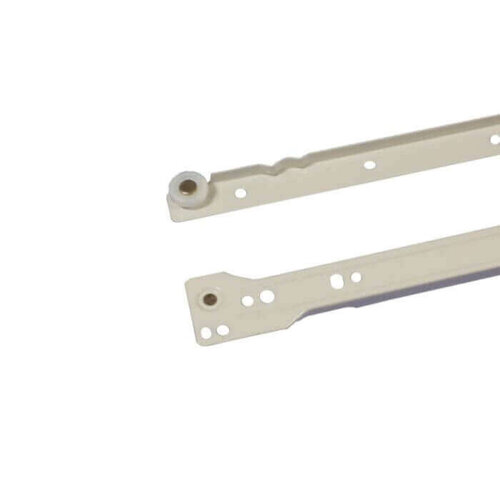
Drawer Runner Side Fixing - 350mm
White side-fixing drawer runner 350mm, smooth and noiseless
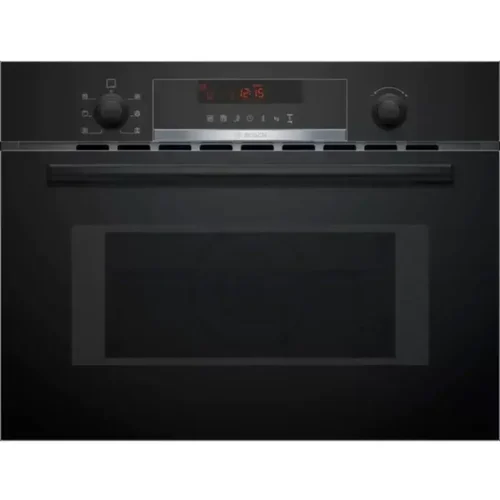
Bosch Series 4 Built-In Microwave Oven with Hot Air - 44L 900W black
Built-in microwave oven with hot air, 44 litre, 900W, black
For the Trade
Start with the space you’ve actually got and how the top will be used, then the rest falls into place. On a tight run, the right kitchen worktops are the ones that suit the cut lengths and joint positions you can live with. On a busier job, face and finish matter more because they take the knocks. If you’re matching other Bathrooms & Kitchens items, keep the look consistent, but don’t let that override size or handling. The call-back jobs are usually the ones where sheet size, edge detail or thickness was guessed instead of checked against the layout.
Appliances
Appliances usually come down to the spec and the cut-out plan, not the finish. If you want a built-in look, check dimensions and ventilation allowances before you order. That is where delays start.
For a straight replacement, matching the existing unit is often the quickest route. For a full refit, line the appliance choice up with the rest of the kitchen worktops and the surrounding Appliances so you are not forcing awkward trims or returns later. The more integrated the result, the less forgiving it is on size and positioning.
Kitchen Accessories
When you’re pricing up kitchen worktops, the first question is usually what else needs sorting on the same run.
If you only need the top, keep the spec tight on size, thickness and edge detail. If you’re finishing the job out, Kitchen Accessories are the bits that stop you making a second trip. The call-back jobs are usually the ones where the finish was chosen before the cut list was checked, or where the edge profile did not suit the rest of the run.
Kitchen Lighting
Kitchen Lighting usually comes after the main kitchen worktops are fixed. Then you can see where you need task light and where a bit of fill will do.
Strip lights suit long runs and under-cabinet work. Downlights or spots make more sense where you want to pick out an island or break up a darker run.
The trade-off is simple. More fittings give you better coverage, but they also mean more planning around positions and controls. On a lot of jobs, the lighting choice changes once the units and Kitchen Lighting layout are set, not before.
Kitchen Sink Waste Strainers
For a sink strainer, start with the basket style and the waste outlet you’re matching. A loose fit or the wrong depth is where problems start. Drainage and rim detail matter more than appearance.
If it’s a straight replacement, match the existing waste pattern first. If you’re sorting the rest of the run as well, check the related Kitchen Sink Waste Strainers and Kitchen Accessories together so you’re not back for a second part.
Kitchen Storage & Bins
Kitchen Storage & Bins comes down to how the run is being used and how much waste you need to keep out of sight. On a busy kitchen, you usually want decent capacity and easy access without giving up too much cupboard space.
For lighter jobs, a simpler bin setup is often enough and keeps the cost down. Don’t over-spec it against the rest of the kitchen worktops and units. A bulky unit can be awkward once the layout is fixed, and that is when you start losing storage elsewhere.
Sinks
Sinks usually come down to how the run is being used and what’s already fixed around it. If it’s a straight replacement, match the bowl size and tap position first. If you’re changing the layout, bowl count, drainer side and overall footprint matter more than the finish.
Stainless still gets picked most often because it’s straightforward and forgiving. Composite or ceramic comes in when the spec needs a different look or a firmer face. Most call-backs aren’t about the sink itself - they come from a guessed cut-out, waste position or the surrounding kitchen worktops.
Key Differences When Choosing
When you’re pricing kitchen worktops, start with the material, then check thickness and edge detail. Laminate keeps the job economical and suits a straightforward run, but you give up some impact resistance at the face and the joints need more care. Solid surface costs more, and you’d usually pick it where you want a cleaner finish and fewer visible joins.
Size matters too. Longer sheets mean fewer joints, but only if you can get them in and keep the cut plan sensible. Colour and finish come last, because the wrong sheen or edge profile is what usually gets queried after the fit. If the job needs a more accessible spec, look at Assisted Living before you order.
Next Decisions After Choosing
Once the kitchen worktops are fixed, the next call is usually what finishes the run cleanly. Splashbacks where the wall needs protection. Storage where the client wants the space used properly. Waste parts where the sink spec has to tie in without a return visit.
That is where the job is won or lost. A good top still looks wrong if the wall finish is left hanging. The sink detail can go off if it does not match what has already been ordered. Keep an eye on what the units and appliances have already set. The awkward jobs are nearly always the ones where the finishing items were left until last.
Related searches
Local availability for Kitchens














