Mixer Showers
If you’re pricing up mixer showers, start with control and access. Thermostatic models suit jobs where temperature stability matters, while manual versions keep the spec simpler and the budget tighter. Exposed mixer showers are quicker to fit and easier to service. Concealed units give a cleaner finish, but the valve stays buried. Bar mixer showers are the common straight swap when the pipe centres already suit. Chrome is the usual default, with black or brushed finishes chosen for the look rather than the performance.
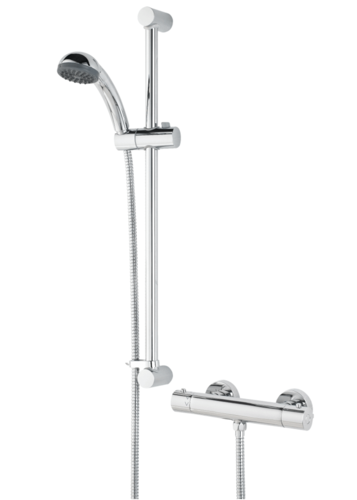
Bristan Freio Cool Touch Bar Mixer with Fast Fit Connections and Single Mode Kit
Thermostatic mixer shower with Cool Touch valve, chrome finish, fast-fit connect…
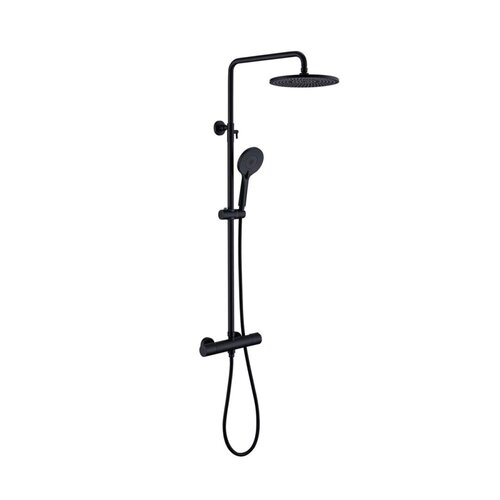
Iflo Albany Dual Outlet Thermostatic Shower - Black
Black dual-outlet thermostatic shower with overhead and hand shower
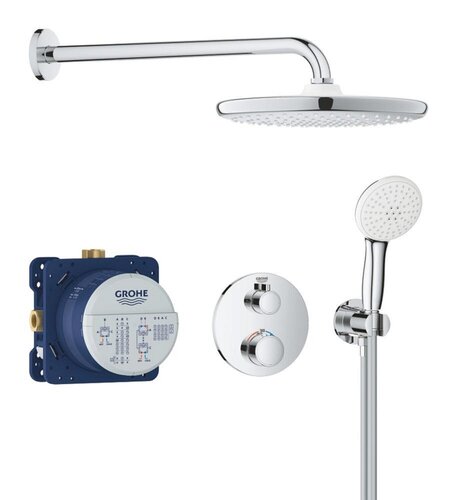
Grohe Grohtherm Concealed Rear Fed Dual Outlet Shower System with Tempesta 250 R…
Concealed dual outlet shower system with Tempesta 250 round head and TurboStat t…
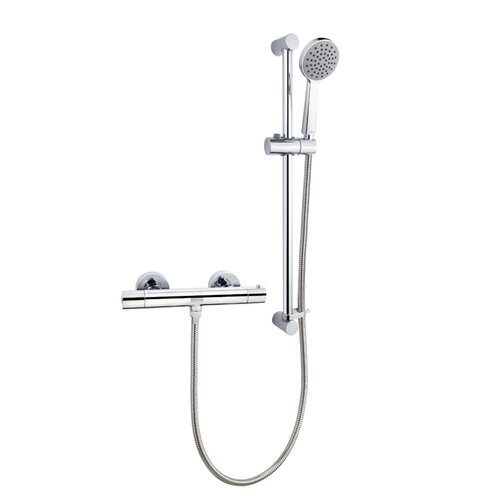
Bristan Zing2 Safe Touch Bar Shower with Fast Fit Connections
Bristan Zing2 Safe Touch bar shower with fast fit connections
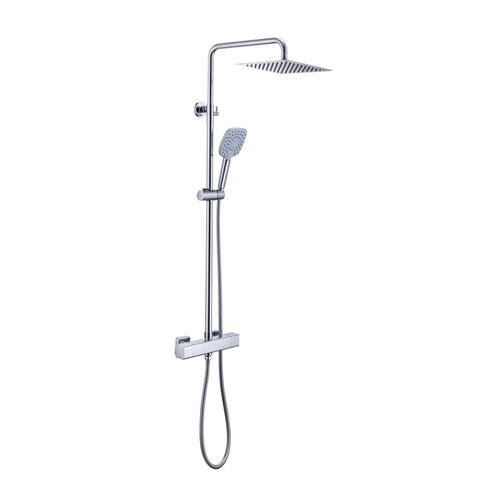
Iflo Ottawa Soft Square Two-Way Thermostatic Shower - Chrome
Chrome two-way thermostatic shower with overhead and hand shower.
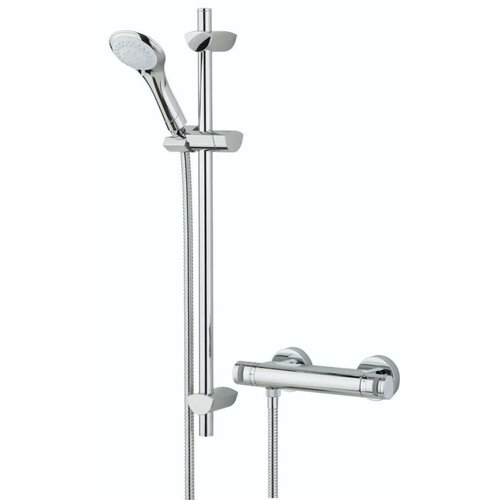
Bristan Artisan Thermostatic Bar Diverter Mixer Shower
Bristan Artisan thermostatic bar diverter mixer shower
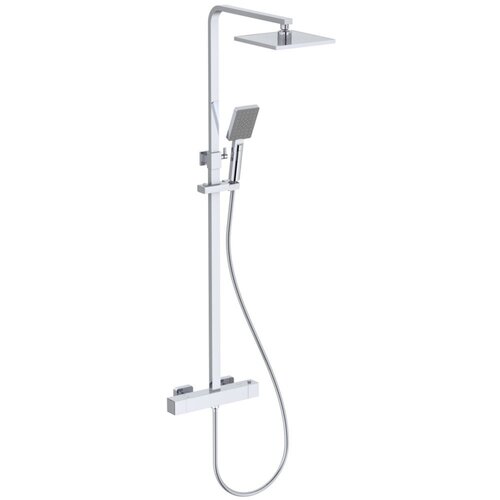
iflo Penrith TwoWay Thermostatic Shower - Chrome
Two-way thermostatic shower in chrome finish with handshower.
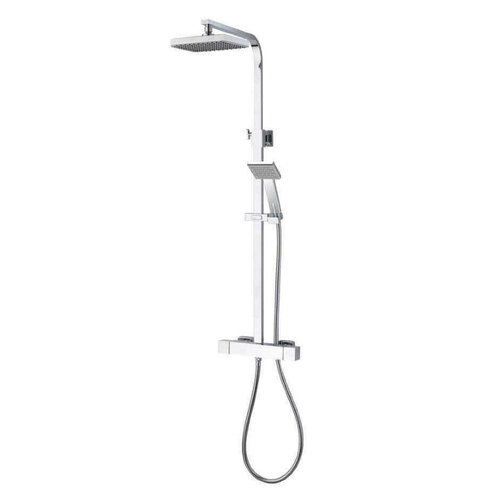
Aqualisa Cool Touch Thermostatic Square Bar Shower Valve with Adjustable Riser R…
Chrome thermostatic dual outlet square bar valve with cool touch and adjustable …
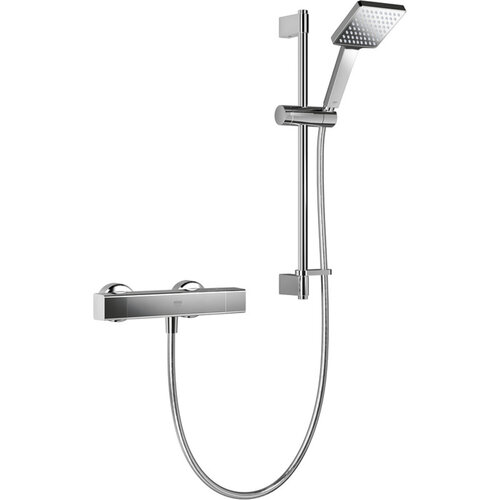
Mira Honesty EV Thermostatic Bar Mixer Shower
Chrome thermostatic bar mixer shower with 110mm head, 4 spray modes, 10.22 l/min…
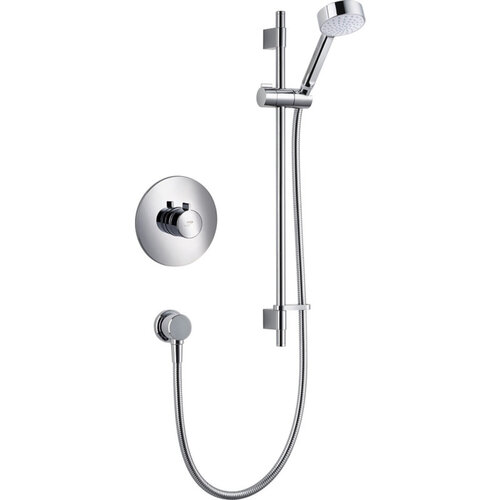
Mira Minilite BIV Thermostatic Mixer Shower
Concealed thermostatic mixer shower with chrome finish, delivers 13L/min at 0.5 …
For the Trade
The first question is what the job will actually tolerate - pressure, pipework position and how much of the valve you want on show. That usually decides mixer showers before finish or styling does. A bar mixer shower is still the common call when you want a straightforward swap and easy access later. Concealed mixer showers make more sense where the wall build and service access have been planned properly. On older work, the pipework and pressure tell you more than the brochure does. Get that wrong and you end up changing the spec twice.
Mixer Shower Options Compared
Start with the layout, not the finish. Bath mixer showers suit compact rooms where you need bathing and showering in one footprint. They often come into play when there is no room for a separate enclosure and a standard bath.
Thermostatic mixer showers suit jobs where temperature control matters. Manual mixer showers keep the setup simpler when that extra control is not needed. Bar mixer showers are usually the quicker straight swap. Exposed mixer showers are easier to service. Concealed mixer showers only make sense once the wall build and screen choice are already settled.
If you’re working through the wider Showering range, room layout usually decides it.
Choosing Materials and Size
Chrome is still the default on most jobs because it sits quietly in the room. Black mixer showers and brushed brass mixer showers are the pick when the fitting needs to stand out. The finish changes the look, not the performance.
Next, decide how much of the valve you want on show. Exposed mixer showers are easier to service and quicker to replace. Concealed mixer showers give you a cleaner wall build, but access is harder if you need to get back in later. If the job is moving away from a standard valve setup, a Digital Shower or Digital Showers may be the better call.
Completing the Setup
Once you’ve picked the valve, the next call is what the rest of the showering area needs to do around it. If the wall build is still open, concealed mixer showers usually mean you’re also sorting the finish around the valve, so the plasterboard, tiling and access all need lining up before you close it in.
If the room is being kept simple, exposed mixer showers leave less to finish behind the wall and are easier to get back to later. Where the spec includes a screen or enclosure, check the tray and wall finish together - a poor set-out there is what usually causes the awkward call-backs.
Related searches
Local availability for Mixer Showers










