Shower Pumps
Shower pumps are usually chosen around the system you’re boosting first, then noise, space and whether you need a single or twin impeller setup. A twin impeller shower pump suits boosting both hot and cold together. A single impeller model is the one to look at when only one side needs help. The call-backs are usually the jobs where the pump was picked for pressure alone, not the actual supply arrangement.
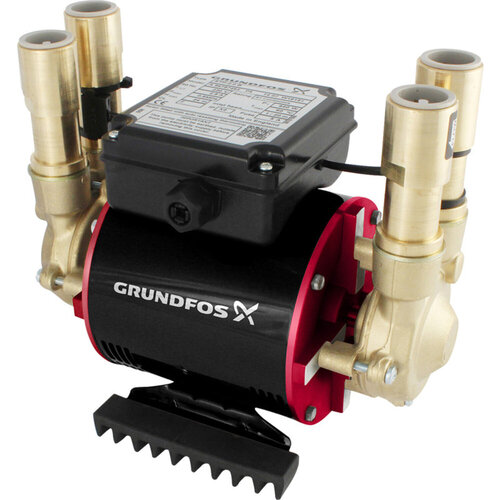
Grundfos STP B Twin Amazon Shower Pump - 3.0 bar
3.0 bar twin shower pump with brass impeller for single shower.
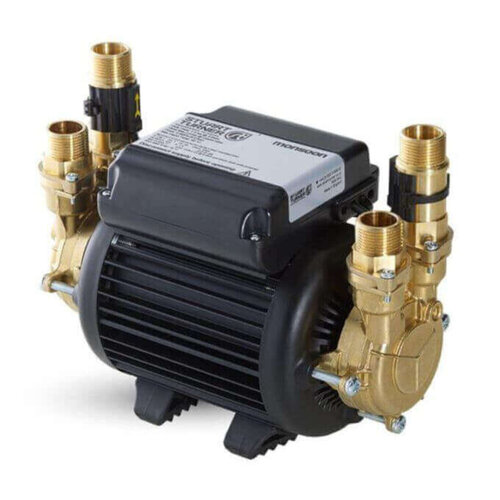
Stuart Turner Monsoon Standard Twin Pump - 4.0 bar
4.0 bar twin pump for boosting hot/cold water in low pressure gravity systems.
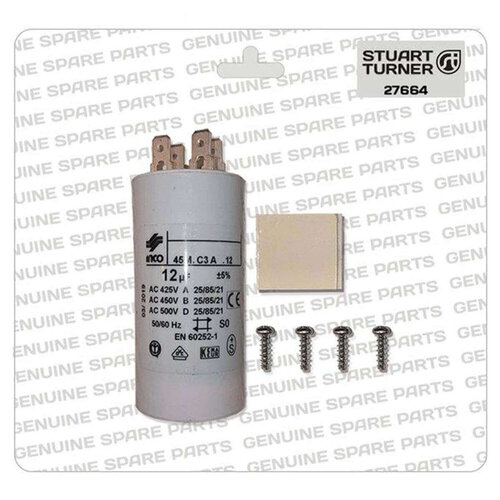
Stuart Turner Monsoon Motor Capacitor - 12UF
12UF motor capacitor for Stuart Turner Monsoon pumps
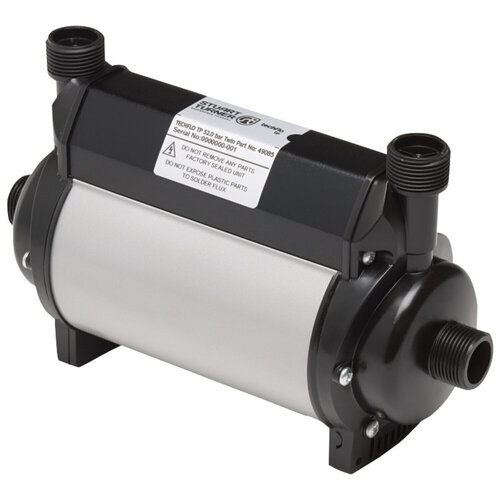
Stuart Turner Showermate TP Twin Shower Pump - 1.5 bar
1.5 bar twin shower pump for boosting hot and cold water
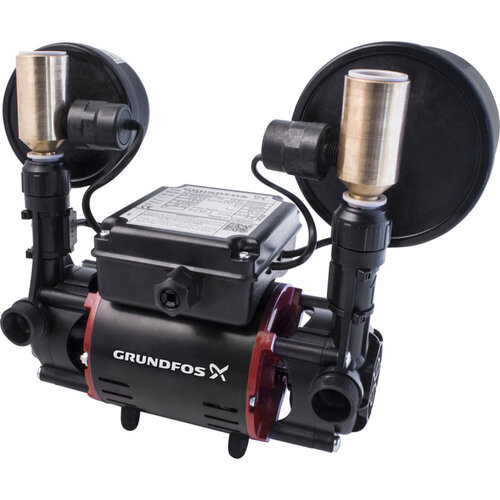
Grundfos STR2 Regenerative Twin Shower Pump - 1.5 bar
1.5 bar twin regenerative shower pump with push-fit connections
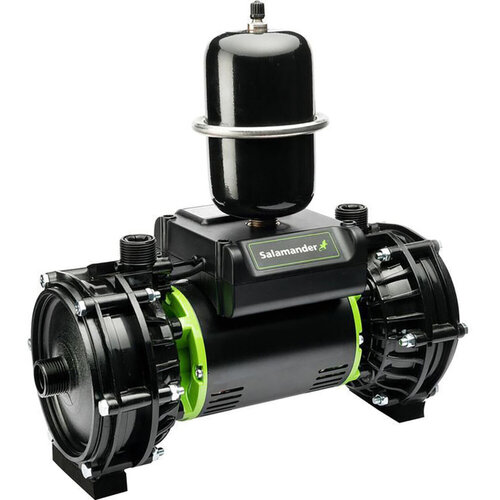
Salamander RP75TU Universal Centrifugal Twin Bathroom and Shower Pump - 2.2 Bar
Twin centrifugal shower pump boosting hot and cold water pressure up to 2.2 Bar
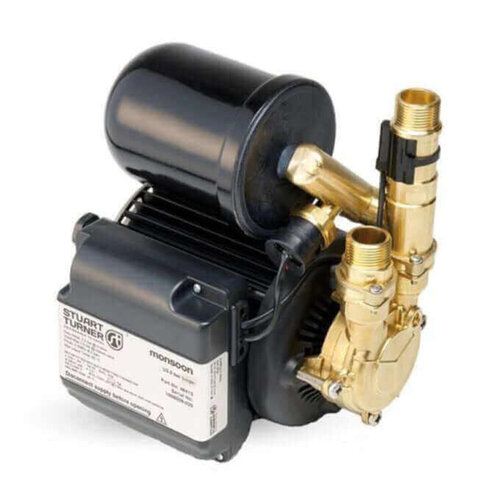
Stuart Turner Monsoon Universal Single Pump - 4.5 bar
Single universal pump for boosting hot and cold water supplies, 4.5 bar, brass
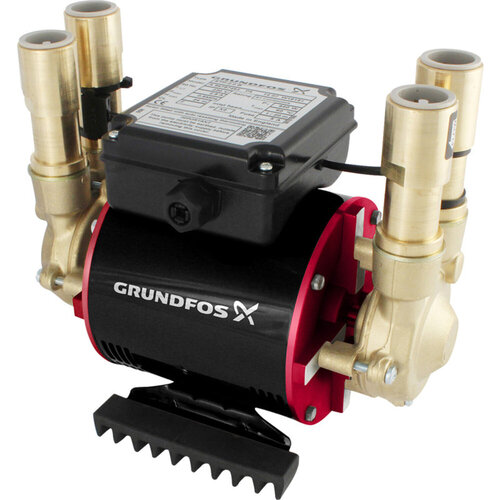
Grundfos STP B Twin Amazon Shower Pump - 2.0 bar
2.0 bar twin shower pump with brass impeller for single shower.
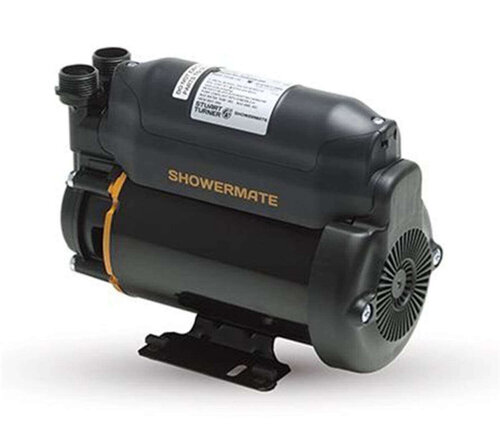
Stuart Turner Showermate S2.6 Bar Single Shower Pump
2.6 bar single shower pump for open vented gravity-fed systems, includes isolati…
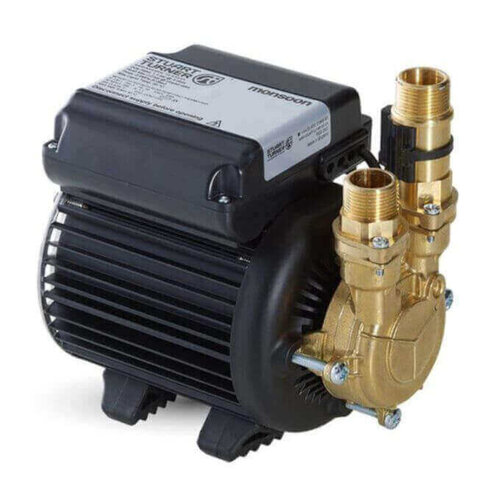
Stuart Turner Monsoon Standard Single Pump - 4.5bar
Monsoon Standard Single 4.5bar brass pump with 5-year guarantee
For the Trade
Start with the system and the space, because that usually rules the job. On a gravity-fed setup, shower pumps are the normal call. If pipework, access, or cupboard space is tight, that often decides the casing and size before anything else. A twin impeller shower pump is usually the pick when both hot and cold need lifting together. A single impeller model only makes sense where you’re dealing with one side of the supply. Noise matters too. A pump chosen for pressure alone can leave you with a hum that becomes the problem.
Shower Pump Types and Layouts
If the job is a combined bath and shower, that’s where a shower pump usually earns its keep. It suits compact rooms where there isn’t space for a separate enclosure and a standard bath.
You do give up some layout freedom. The bath shape and screen choice need to work first, because the rest of the room has to follow that line. In Showering, the main question is whether one footprint needs to do both jobs or whether a separate arrangement makes more sense.
What to Check Before You Buy
Start with what the system needs and how much room you’ve got, then work back from there. Pick a shower pump on pressure alone and you’re likely to create call-backs. The risk climbs on long pipe runs or mixed outlets.
A twin impeller shower pump is the usual choice when hot and cold need boosting together. A single impeller model suits jobs where only one side needs help, but it won’t cover the same ground. If the install needs a quieter unit or a tighter fit, that can narrow the field quickly.
Once the main unit is sorted, the next decisions are often the parts around it - Shower Spares & Parts when you’re replacing worn components, or Shower Trays when the tray spec is driving the rest of the showering job.
Useful Alongside Shower Pumps
After you’ve picked the pump, the next calls are the bits that can make the job awkward later - the tray, screen, and any access panels or storage around it.
Get the shower tray and waste position right and you’re not fighting pipe runs. Check the screen against the tray edge and opening side before you order. If the room’s being finished as part of a bigger refit, sort the wall finish and any spare parts at the same time. Most call-backs come from access being missed, not the pump itself.
Related searches
Local availability for Shower Pumps







