Shower Trays
Shower trays usually come down to three things: the footprint you’ve got, how low the tray needs to sit, and what the floor build-up will take. A rectangular shower tray suits most straight runs, while a quadrant or offset quadrant saves space where the enclosure needs a tighter corner. Stone resin is often chosen for a firmer feel underfoot. Acrylic is lighter to handle and quicker to fit. If you’re replacing an old shower tray, check the waste position and finished height first - that’s where most delays start.
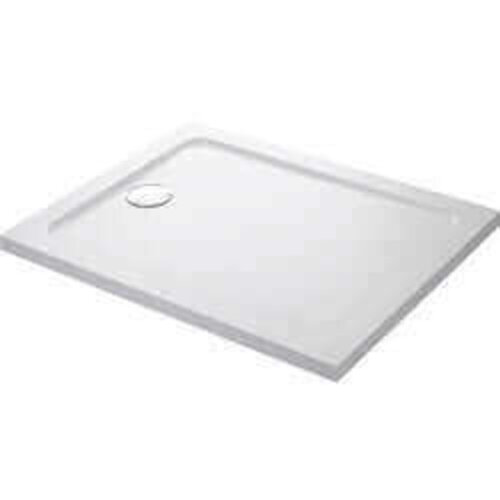
Mira Flight Low Rectangular Shower Tray - 1100 x 800mm
1100 x 800mm white acrylic stone resin shower tray with BioCote® technology
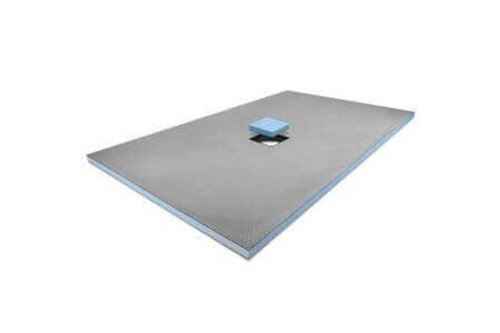
Prowarm Centre Drain Wet Room Shower Tray - 1500mm x 800mm x 30mm
Wet room shower tray 1500 x 800 x 30mm with centre drain
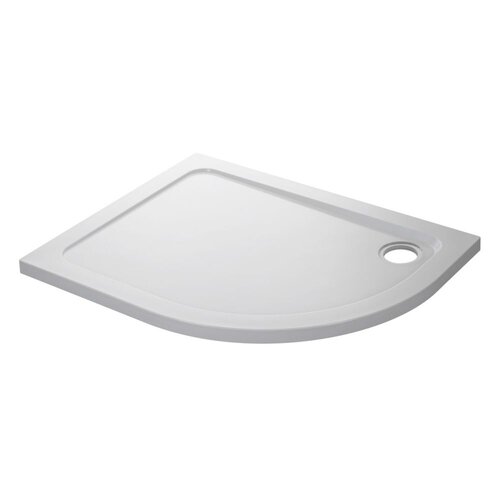
iflo Offset Quad Left Hand Tray Standard - 1200mm x 800mm
Offset quad shower tray, left hand, 1200 x 800 millimetres
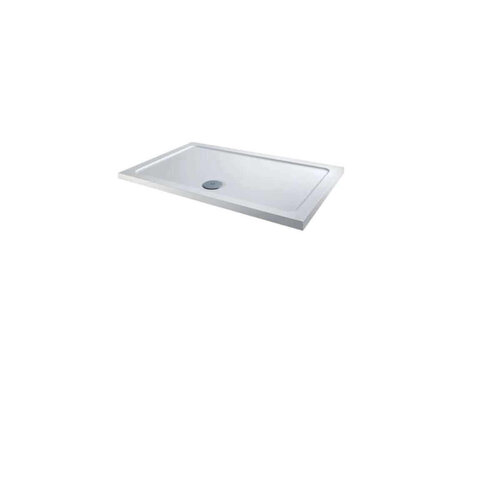
Twyford Rectangle 4 Upstand Tray - 1200mm x 760mm
Low profile 1200 x 760 mm acrylic-capped shower tray with lifetime guarantee
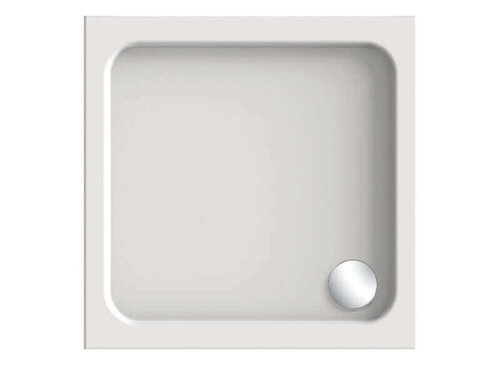
Iflo Tray Excluding Waste - 760mm x 760mm x 90mm
760mm square shower tray with high-gloss acrylic finish, 45mm high, excludes 90m…
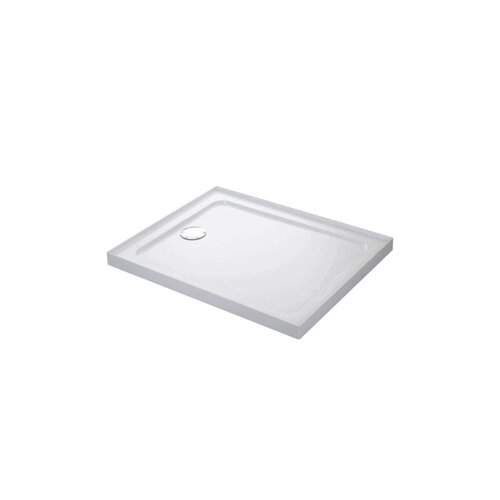
Mira Flight Rectangular Shower Tray Low Profile - 1000mm x 800mm
1000 x 800 mm low-profile rectangular shower tray with BioCote antimicrobial pro…
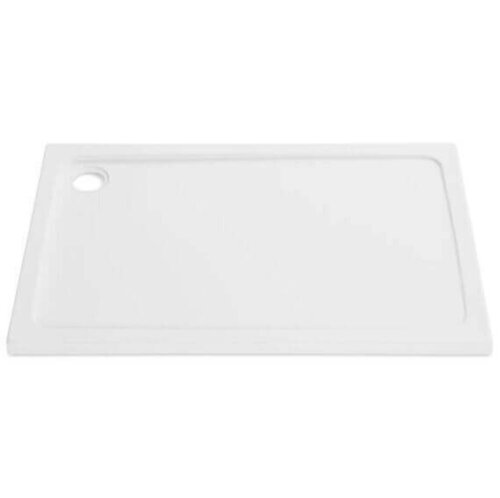
K-Vit Shower Tray Low Profile Rectangle with Corner Drain - 1000mm x 700mm
White stone resin shower tray 1000x700mm with corner drain, 25-year guarantee
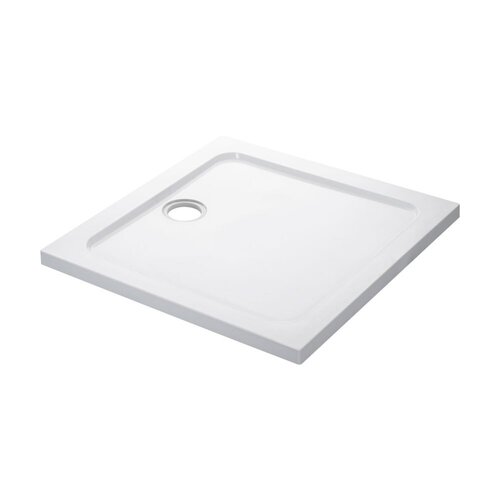
Iflo Tray Slip Resistant - 760mm x 760mm
760mm x 760mm slip resistant shower tray with contemporary design
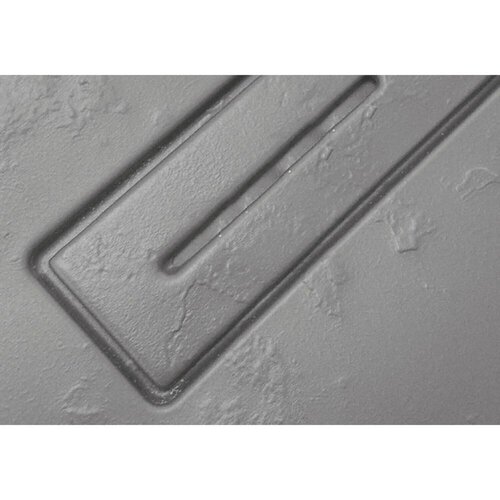
Kudos CONNECT2 Slate Rectangular Shower Tray - 1500mm x 900mm
Slate effect rectangular shower tray, 1500x900mm, with anti-microbial and slip-r…
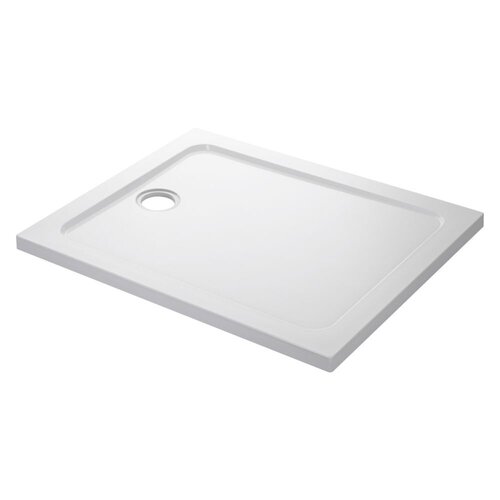
iflo Standard Tray - 1700mm x 800mm
1700mm x 800mm standard shower tray with sleek, contemporary design
For the Trade
Start with the footprint and finished height, because that usually rules out half the options before you get into anything else. A low profile shower tray suits jobs where you want a shallow step-in and a neater threshold, while a deeper tray can be easier to work with where the floor build-up is awkward. Next is shape and size. A rectangular shower tray gives you more standing room, but a square or quadrant option may save you space where the room is tight. On replacements, the old waste position and tray height are what usually catch people out, not the tray itself.
Types of Shower Trays
If the job needs a separate bath and enclosure, a shower bath starts making more sense. That is usually the call in compact rooms where you have not got space for both.
For ordinary Showering layouts, the tray choice comes down to how much room you have and how the screen will sit with the rest of the bathroom. A shower tray gives you a cleaner split between bathing and showering. The trade-off is simple: the layout has to work around the shape you pick. Get that wrong and you end up forcing the screen or wasting space.
Selection Factors for Shower Trays
Material is usually the first call. An acrylic shower tray is generally easier to get up stairs and into position, so it suits awkward refurbs or jobs where one person is handling it.
Steel or cast iron gives you a firmer enamelled face. The trade-off is weight. With cast iron especially, that can mean more hassle on access and floor loading.
After that, it comes down to shape and footprint. A rectangular shower tray suits a straight run. A quadrant or low profile option is usually the call when the opening or finished step-in height is driving the job.
If the spec is moving towards controls and a cleaner set-up, the tray choice often sits alongside Digital Shower or Digital Showers, rather than being treated as a separate decision.
Finish the Room
Once the shower tray is fixed, the next call is what finishes around it. If the walls are being boarded or tiled, sort the panel and finish before the screen goes in. Poor edge detail shows up later.
A screen is the next buy when you want to keep splash under control without moving to a full enclosure. Storage and fittings come after you’ve confirmed the opening and waste position. On refurbs, a replacement shower tray can save time when you’re matching an existing footprint and do not want to chase the rest of the room.
Related searches
Local availability for Shower Trays




