Commercial Taps
Commercial taps are usually picked on duty first, then on format - single lever, pillar, wall-mounted or mixer - because the wrong type causes trouble later. If the sink gets constant use, go for a heavier commercial kitchen tap or industrial tap style with a firmer body and easier service access. Lighter trade taps suit less punishing jobs, but they tend to feel loose sooner.
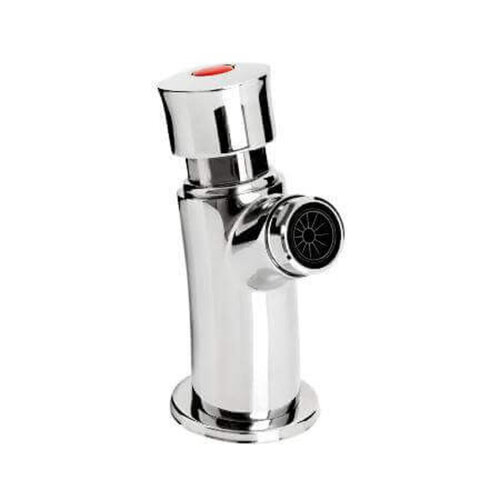
Bristan Single Soft Touch Timed Flow Tap - Chrome
Soft touch timed flow pillar basin tap in chrome finish
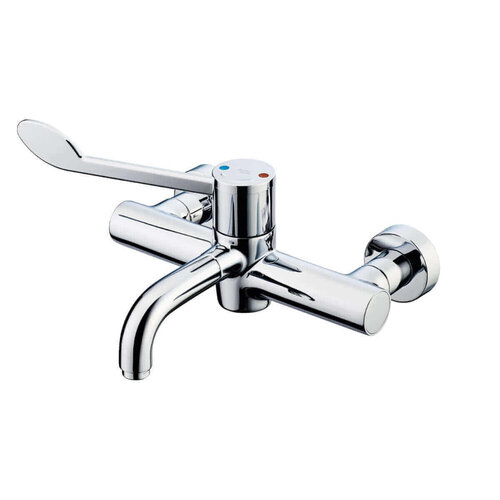
Armitage Shanks Markwik 21+ Panel Mounted Thermostatic Basin Mixer Single Sequen…
TMV3 approved thermostatic basin mixer with removable spout
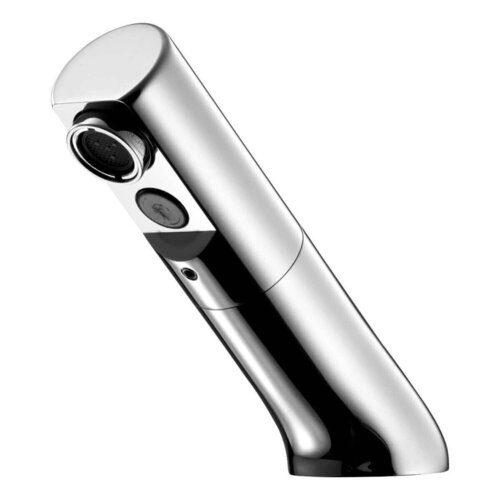
Armitage Shanks Sensorflow 21
Water-saving vandal-resistant sensor tap, 3.8 lpm flow
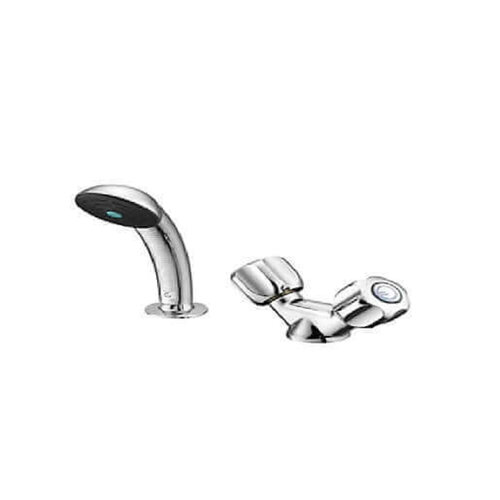
Armitage Shanks Starlite Hairdresser Basin Mixer S7450AA - 290mm
Hairdresser basin mixer with handset and hose, chrome finish, 290mm
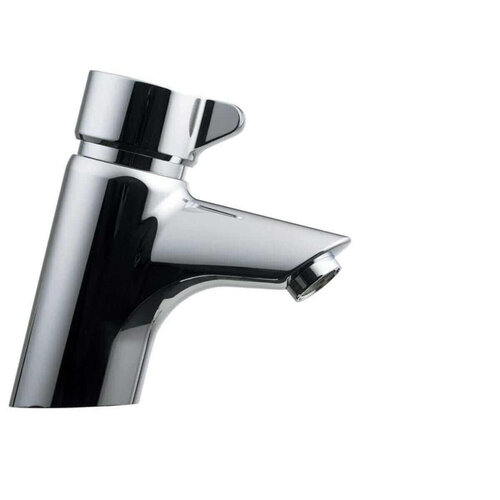
Armitage Shanks Avon 21 Self Closing Basin Mixer Tap
Self-closing basin mixer tap with 3.7 l/min flow regulator
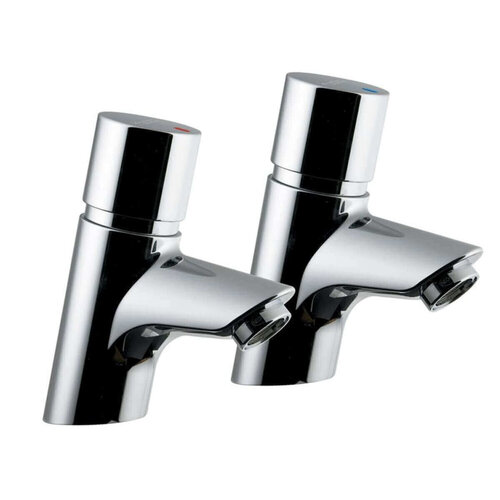
Armitage Shanks Avon 21 Push Button Self Closing Pillar Taps
Self-closing chrome pillar tap with push button, 3.7 ltr/min flow rate
For the Trade
Start with the space you’ve got and how the sink will be used, then the rest falls into place. A commercial kitchen tap for a busy prep sink needs different reach and clearance to a compact commercial sink tap on a tight wash-up run. That is where jobs go wrong if you only look at finish. In pubs and bars, splash and awkward access around glasswash or rinse areas usually decide the spec first. Once that is set, you can choose between a heavier industrial tap and a simpler trade tap for lighter daily use.
Commercial Tap Options Compared
Industrial taps suit sinks that get hammered all day. The heavier body and stronger build stand up better to rough use and repeated knocks.
Trade taps make more sense where the duty is lower but you still need a commercial sink tap. They keep the job simpler and usually cost less. For a wash-up area, bar or prep sink, check the reach and handle position before you order. That is where most call-backs start.
If you want the full parent range, start with Taps.
Choosing Materials and Size
On commercial taps, narrow it by duty first, then by the space around the sink. A heavier commercial kitchen tap suits hard use through the day and lowers the risk of a call-back. The trade-off is size and cost.
For a tighter wash area, a compact commercial sink tap is easier to fit, but you lose some reach. If the job is more about appearance and general washroom use, look at Bathroom Taps. When you are replacing worn parts rather than the whole fitting, Reviver Kits & Tap Spares is the next stop.
Completing the Setup
Once you’ve picked the tap, the next call is what sits around it and what it needs to work with. In a busy wash-up or prep area, commercial taps often go in after the sink, waste and splashback are already fixed, so the tap has to suit the finish and the clearance you’ve got left.
If the run is being built from scratch, check the adjacent storage and screens before you lock the tap in. A tall spout can clash with shelving or a wall panel if nobody has allowed for it. That’s usually where the snag comes from, not the tap itself.
Related searches
Local availability for Commercial Taps



