Kitchen Taps
The first check is the hole pattern and the space round the sink. That rules out half the kitchen taps straight away. After that, you’re choosing between a single-lever mixer for quicker control, a twin-handle set-up if the spec needs separate control, and pull-out or swivel spouts where reach matters at the sink. Chrome still goes out most often because it’s easy to match, while black or stainless steel are usually picked to suit the rest of the fit-out.
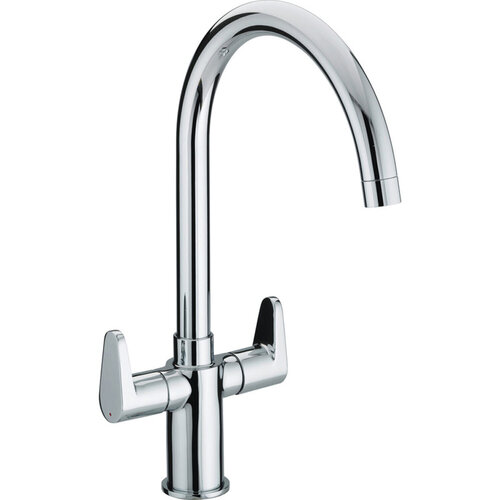
Bristan Quest Mono Mixer Kitchen Tap
Bristan Quest mono mixer kitchen tap with swan neck spout, chrome finish.
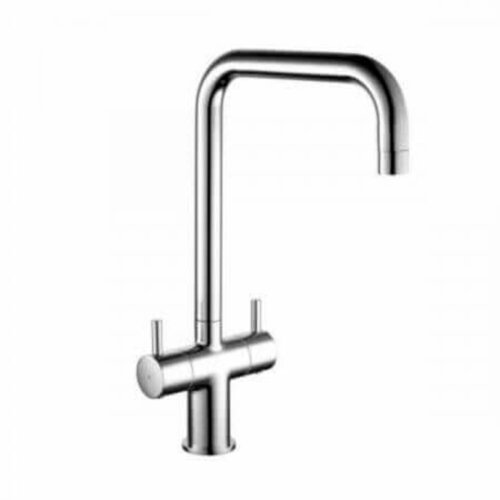
K-VIT Kitchen Sink Mixer - Polished Chrome
Polished chrome kitchen sink mixer tap with dual lever handles
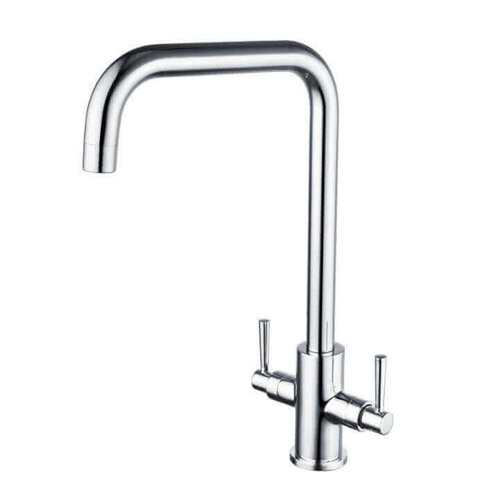
Deva Malmo Mono Kitchen Mixer Tap - Chrome
Single lever chrome kitchen mixer tap for convenient hot and cold water control
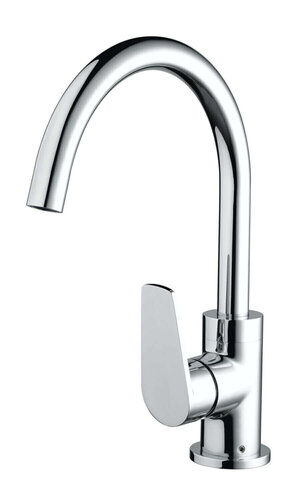
Bristan Raspberry Easyfit Monobloc Sink Mixer - Chrome
Chrome kitchen mixer tap with Easyfit top-fix installation and ceramic cartridge
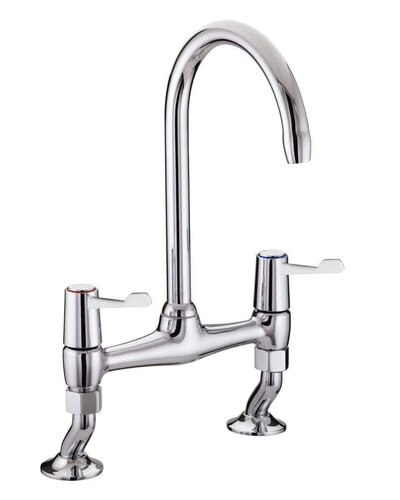
Bristan Lever Bridge Deck Sink Mixer with Ceramic Disc Valves - Chrome
Chrome sink mixer with ceramic disc valves and lever handles
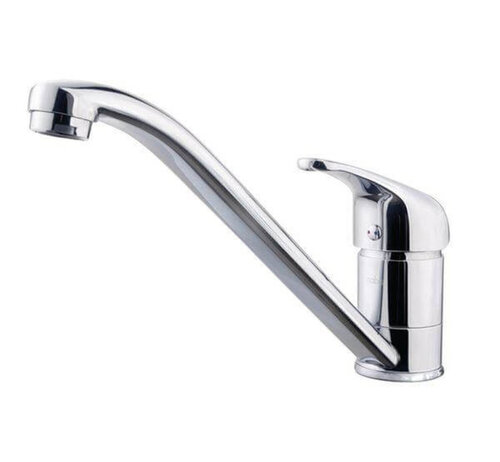
Nabis Costeno Single Lever Mono Kitchen Tap
Chrome single lever mono kitchen tap with 40mm cartridge
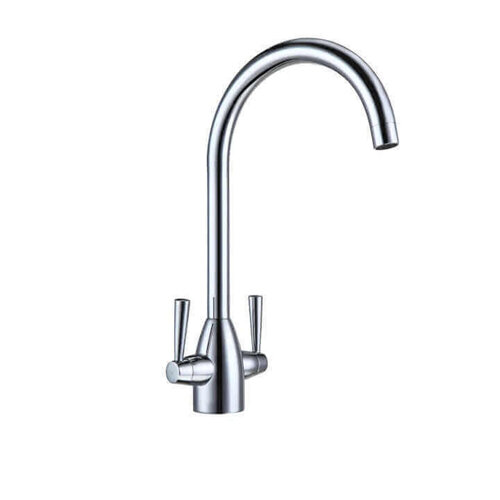
Deva Vienna Mono Kitchen Mixer Tap - Chrome
Deva Vienna chrome mono kitchen mixer tap with single lever control
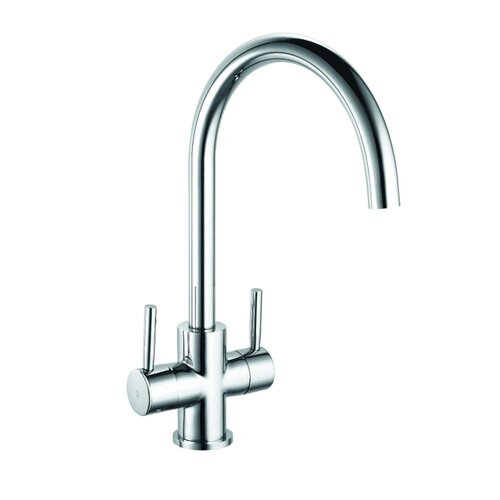
iflo Kisdon Kitchen Monobloc Tap - Chrome
Stainless steel monobloc kitchen tap with chrome finish and dual levers
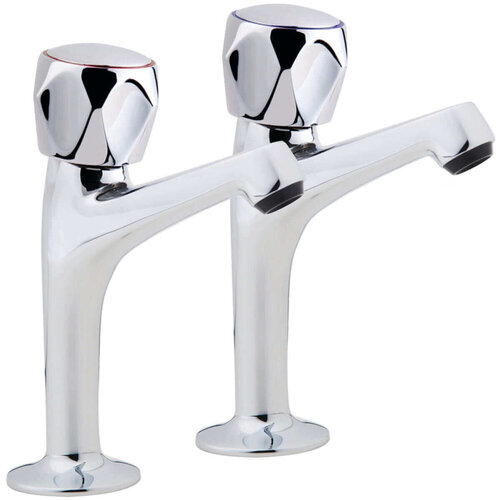
Iflo Base Sink Pillar Taps
Pair of brass chrome sink pillar taps, 15-year guarantee
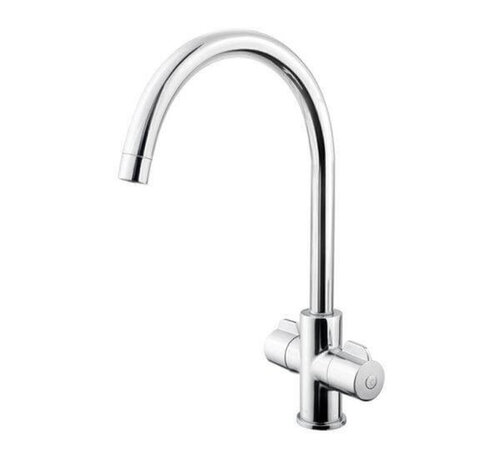
Nabis Sevier Monobloc Kitchen Tap
Chrome monobloc kitchen tap with swivel spout and ceramic disc valve
For the Trade
What usually decides kitchen taps on the counter is the job, not the finish. If you’re replacing like for like, hole pattern and reach matter more than the brochure picture, because a tap that fouls the sink or splashback only comes back to you. On a busy sink, a swivel spout or pull-out usually earns its keep. For a straight replacement, a simpler mixer is often the cleaner buy. There’s less to go wrong, and less to explain to the client. Chrome still moves quickest on ordinary refurb work. Black or stainless tends to go when the rest of the kitchen is already set around that look.
Kitchen Tap Options Compared
The main split is between kitchen mixer taps with a single lever or twin handles, and the more specialised layouts. Single lever kitchen taps are the quicker choice where speed matters. Dual lever kitchen taps suit jobs where separate control is preferred, but they take more room around the sink.
Monobloc kitchen taps are the common one-hole option when you want a neat fit and fewer complications at the deck. Swivel spout kitchen taps earn their keep where you need reach across a wider bowl. Pull out kitchen taps work better when rinsing and filling matter more than a fixed spout.
If you’re comparing the full range of Taps, start with the sink layout and how much movement you actually need. That usually rules out half the options straight away.
Choosing Materials and Size
For kitchen taps, material and finish usually settle the last part of the spec once the hole pattern is fixed. Chrome is still the common call for straightforward replacements because it keeps the job simple and familiar. Black kitchen taps tend to suit jobs where the finish matters more than matching every other fitting.
Stainless steel kitchen taps are worth a look when you want a firmer face for tougher daily use. The trade-off is weight. They’re heavier to move than acrylic on many sites, so handling can matter as much as appearance.
If you’re crossing over from the bathroom side, Bathroom Taps are a separate choice. Once the tap’s worn rather than wrong, Reviver Kits & Tap Spares may save a full swap.
Completing the Setup
Once the tap’s fixed, the next call is usually what sits around it. If the sink area’s getting a refresh, you’ll often be sorting the waste, drainer and any splashback or wall finish at the same time. That’s where the awkward returns come from later.
A neat run of kitchen taps can still look wrong if the surrounding finish is left half-done. If the job includes a deeper sink or extra prep space, check the storage and accessory layout before you sign it off. It saves changing things after the tap’s already in.
Related searches
Local availability for Kitchen Taps









