Aggregates & Chemicals
For most jobs, the split is simple: do you need aggregates and chemicals for the mix, the base, or the finish? Sharp sand, building sand and ballast are the usual call for concrete and mortar work. Gravel, pea shingle and decorative aggregates suit drainage or a cleaner finish. Bagged stock helps when access is tight or you only need a few loads. Bulk makes more sense when the quantity is there. The wrong grade causes most of the grief, not the brand.
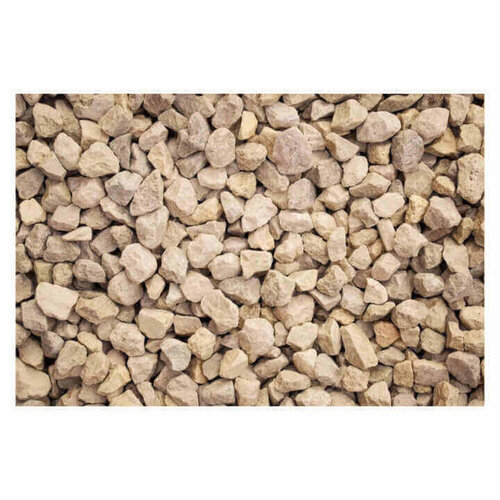
Cotswold Stone - Large bag 25kg
Cotswold stone 25kg large bag
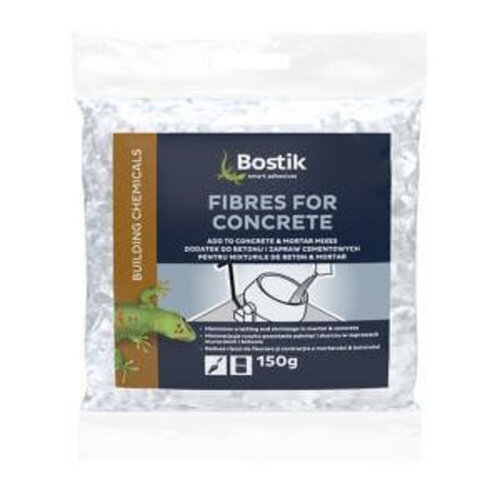
Bostik Concrete Fibres - 150g White
Bostik Concrete Fibres (150g, white)
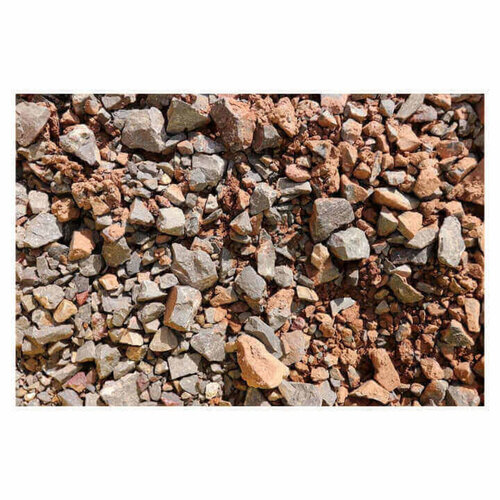
MOT Roadstone Type 1 - 5kg Large pack
MOT Type 1 roadstone 5 kg large pack.
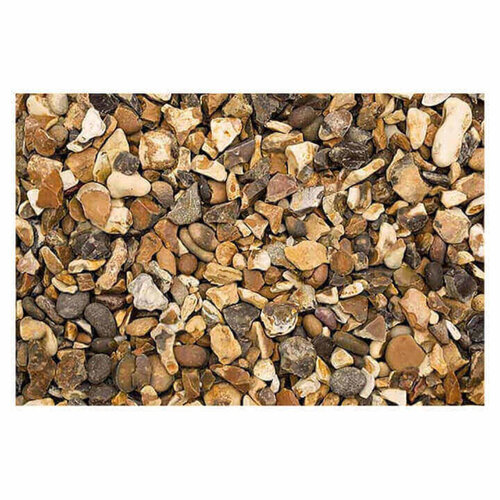
Golden Gravel Maxi Bag - 20mm 20kg
Golden gravel, 20mm stone size in a 20kg maxi bag, Midlands delivery only
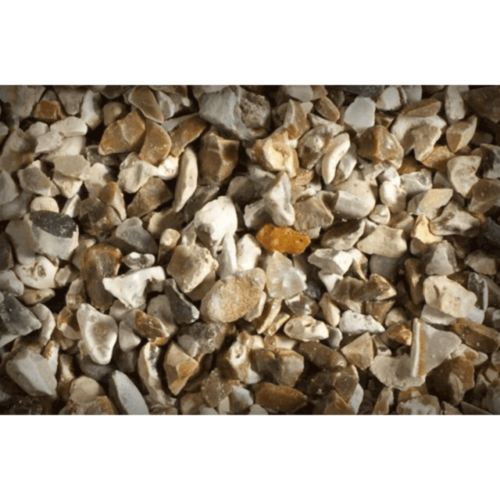
Dorset Flint Dumpy Bag
Dorset Flint dumpy bag, 20mm angular flint chippings, approx. 900kg
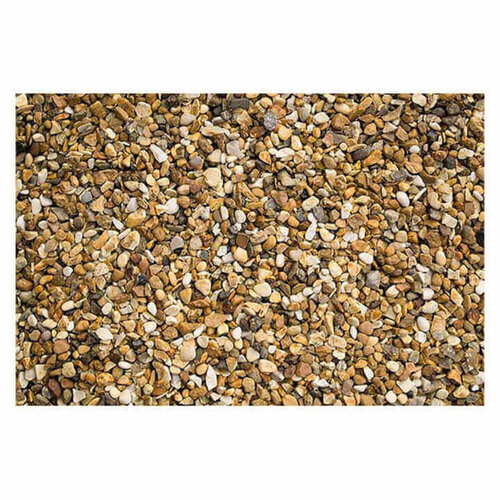
Golden Gravel Standard Bag - 10mm 25kg
10mm golden gravel in 25kg bag for decorative landscaping.
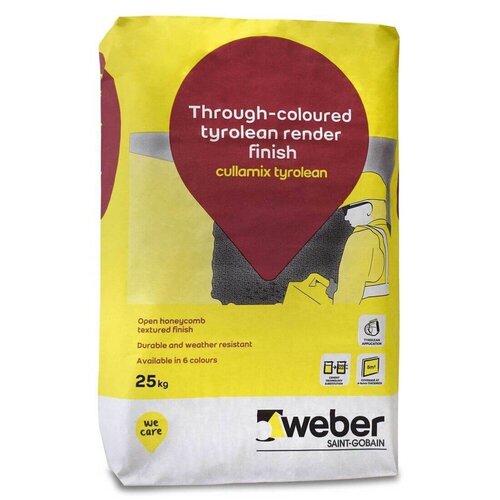
Weber Cullamix Tyrolean - 25kg White
Through-coloured white cement-based render with Tyrolean open honeycomb finish
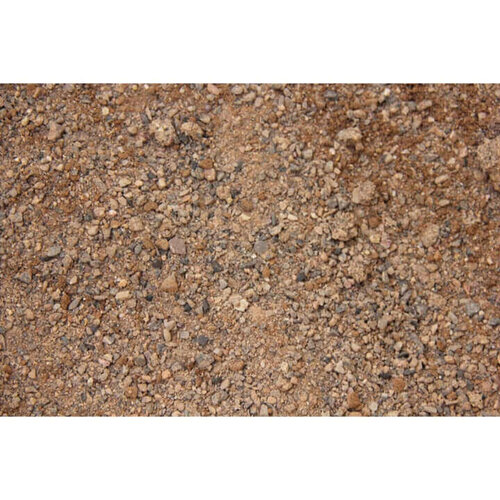
Ballast - 20mm 35kg large pack
20mm ballast in a 35kg large pack
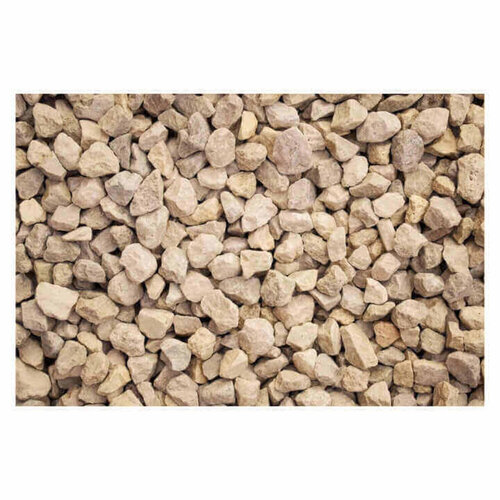
Cotswold Chippings - 20mm 20kg mini bag
20 mm Cotswold chippings in a 20 kg mini bag
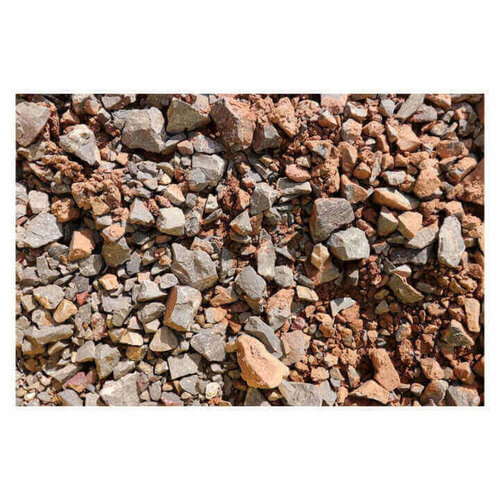
MOT Road Stone Type 1 - Large bag
MOT Road Stone Type 1
For the Trade
Start with space and how you’re using it, then the choice usually sorts itself out. Tight access or a small run usually points to bagged aggregates, because they’re easier to move and keep the job moving. If you’ve got room and volume, bulk is often the cleaner buy. After that, finish and performance take over. Gravel, pea shingle and decorative aggregates serve different looks and drainage. Sharp sand, building sand and ballast are chosen for what they do in the mix. A lot of call-backs start with ordering by name instead of by use.
Aggregates & Chemical Options Compared
The first split is between building aggregates and decorative aggregates. Building aggregates and construction aggregates suit jobs where the material has to perform - concrete, bedding, fill, or general site use. Here, strength, consistency, and volume matter most.
Decorative aggregates are for the finish you can see. Colour, shape, and a cleaner surface matter more than load-bearing use.
Bulk aggregates suit larger jobs where fewer bags and less handling save time. Bagged aggregates work better when access is tight or you only need a controlled amount.
Choosing Materials and Size
What you buy comes down to the job and the finish you need, not just the name on the ticket. For concrete and mortar work, you’re usually after consistent building aggregates and the right sand grade. A mixed load that’s out on size causes problems later.
For drainage, paths, or a cleaner exposed finish, gravel, pea shingle, or decorative aggregates make more sense. You give up some of the heavier, more compact feel you’d want under a slab.
If access is awkward, bagged aggregates are easier to handle. If you’re shifting volume, bulk is usually the better call.
Completing the Setup
Once the main order is fixed, the next call is usually what’s going around it - the finish, the edges, and anything that has to tie the work back into the rest of the job.
If you’re setting out brickwork alongside aggregates and chemicals, Brickworking is the next stop. That’s where you sort the matching materials and the small bits that stop a job dragging. Keep an eye on access and handling. A load that looks quicker on paper can be the one that holds things up when it lands in the wrong format.
Related searches
Local availability for Aggregates & Chemicals













