Builders Metalwork
Builders metalwork comes down to what’s carrying the load, what’s being tied back, and how much corrosion resistance the job needs. Light brackets and plates suit simple connections, while straps, ties and heavier connectors come into play when restraint matters more. Galvanised or zinc plated options usually depend on exposure and spec, and a sheet that’s too light is the one that gets questioned later.
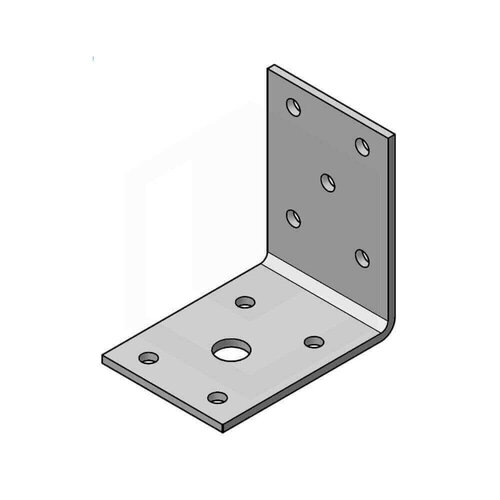
Expamet Standard Angle Bracket - 150mm x 150mm x 63mm Galvanised
Galvanised steel angle bracket 150x150x63mm for structural support
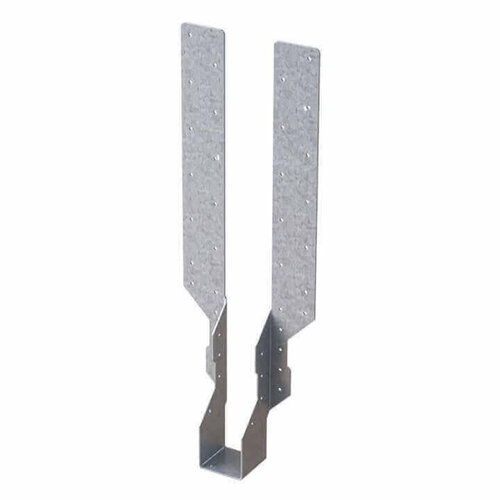
Medium Duty Hanger Long Leg - 91mm
91mm medium duty long leg hanger for structural support
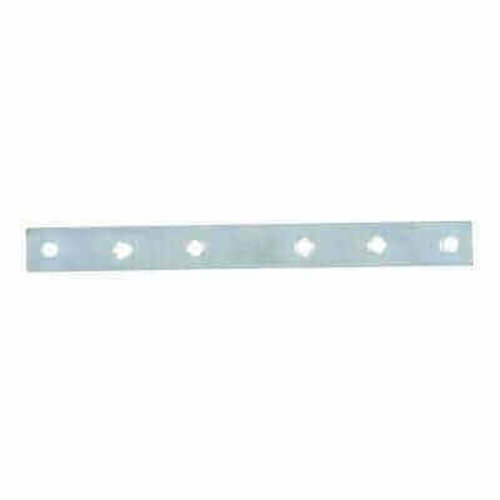
Fast-Pak Mending Plates - 3" (75mm) Bright Zinc Plated
75mm (3") mending plates, bright zinc plated.
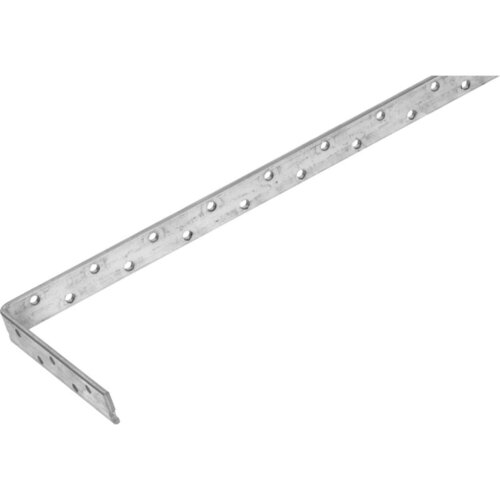
Heavy Duty Strap Bend - 1600mm Total Length
Pre-galvanised steel strap, 1600mm total length with 150mm bend
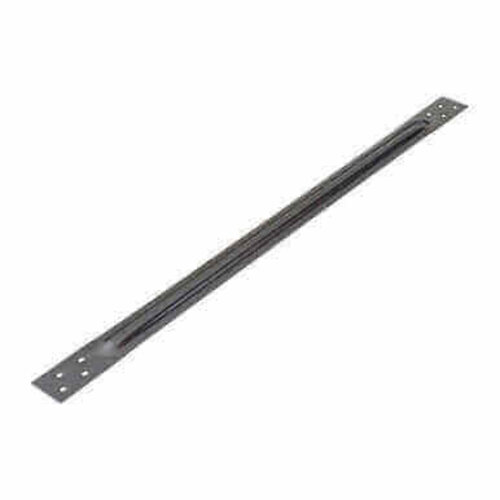
Expamet Herringbone Joist Strut - 400mm centres galvanised
Pre-galvanised steel herringbone joist strut, 400mm length.
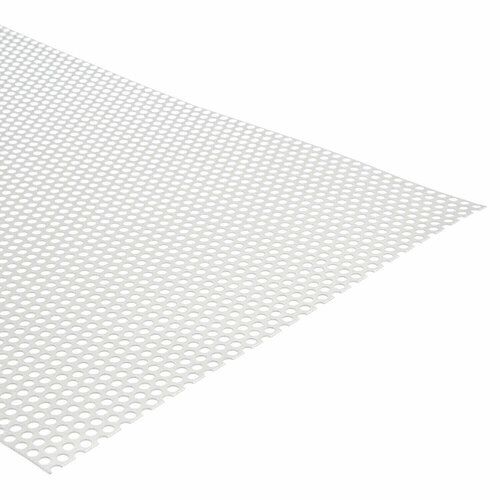
ProSolve Aluminium Round Hole Sheet - 200mm x 1000mm x 1.5mm
Aluminium perforated sheet for light construction and DIY
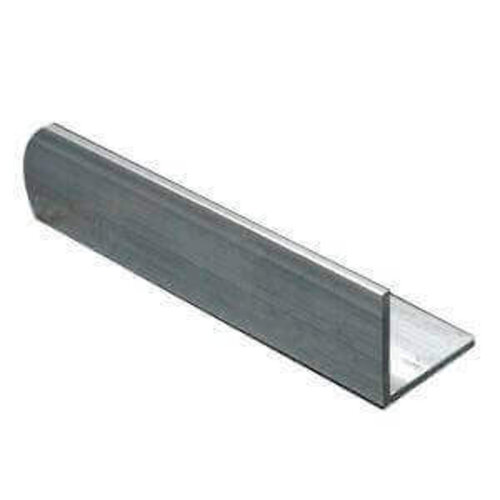
Equal Aluminium Corner - 10mm x 1m
Aluminium equal corner angle, 10mm x 10mm, 1m length
Expamet Safe Edge Frame Cramp with Drip - 100mm Stainless Steel
Stainless steel frame cramp with drip, 100mm
Rothley Full Galvanised Steel Sheet - 1m x 120mm
Full galvanised steel sheet, 1m x 120mm, for general construction use
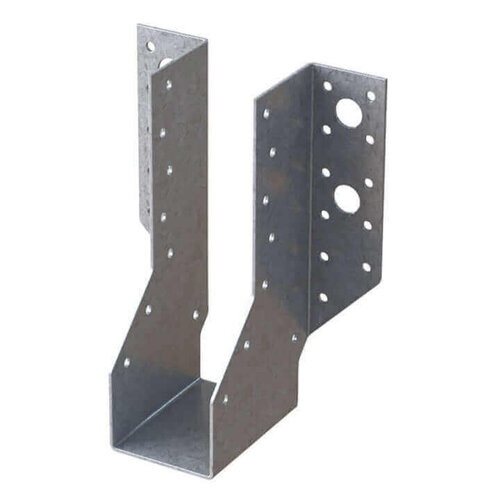
Multi Truss Hanger Type 380 - 75mm
75mm multi truss hanger type 380
For the Trade
Start with the space you’ve got and how the piece is being used, because that usually rules out half the options before you get into finish or fixing detail. Tight layouts need a format that fits cleanly, without awkward drilling or extra packers. Where the job has more movement or restraint, step up to heavier builders metalwork rather than trying to make a lighter piece do the same work. Call-backs usually come from the bit picked for convenience, not the one that matched the job.
Builders Metalwork Types and Layouts
If you’re narrowing builders metalwork, start with the job. Light brackets and plates suit straightforward joints. Straps, ties, and connectors come in when the fixing needs to do more than hold a face in place.
Galvanised builders metalwork is the usual pick where corrosion resistance matters. Zinc plated pieces suit drier internal work and keep the cost down.
Heavy duty builders metalwork is the one to reach for when the load or movement is higher. The trade-off is handling. It’s less easy to work with, but it gives you more support where the job needs it.
If you’re working across mixed jobs, Building Supplies is the parent range to keep in mind.
What to Check Before You Buy
What usually decides it is the fixing point, the exposure, and how much movement you expect.
For a straightforward internal job, lighter builders metalwork keeps handling easy and is usually enough. Once you’re tying back masonry or taking more load, go heavier. That’s where the call-backs come from.
Finish matters too. Galvanised builders metalwork is the one to reach for where moisture or weather is in play. Plated options are generally fine where the job stays dry. If the work runs into Damp Proofing or Roofing, check the exposure first. That usually sets the spec before anything else.
Useful Alongside Builders Metalwork
Once you’ve picked the metalwork, the next call is what it’s fixing into and what’s going around it. If the job is tying into masonry, you’ll usually be into wall ties and masonry fixings rather than trying to make a general bracket do the work.
Where the build has exposed edges or openings, check the finish details early. That’s where the return visit usually comes from. If the work sits alongside damp proofing or roofing, the fixings need to suit the exposure as well as the load.
Related searches
Local availability for Builders Metalwork

















