Construction Equipment
When you’re choosing construction equipment, start with what’s doing the work and how hard it’s being pushed. Light site equipment suits general day-to-day jobs, while heavy duty construction equipment makes more sense where kit gets knocked about, lifted often, or left in rough conditions. Trade construction equipment sits in the middle for most crews, giving you enough durability without paying for over-spec you won’t use.
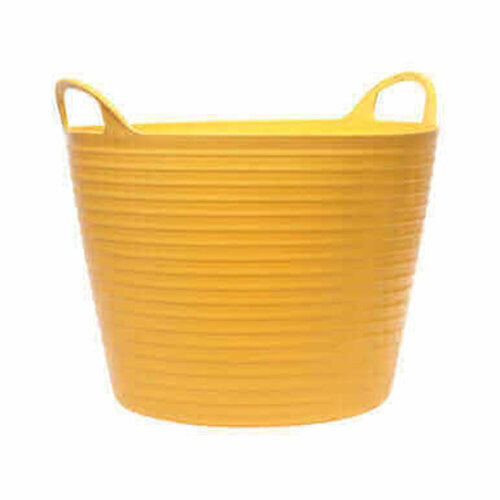
Faithfull Flex Tub Heavy Duty - 15L Yellow
15L heavy-duty yellow flexible tub, 100% recyclable
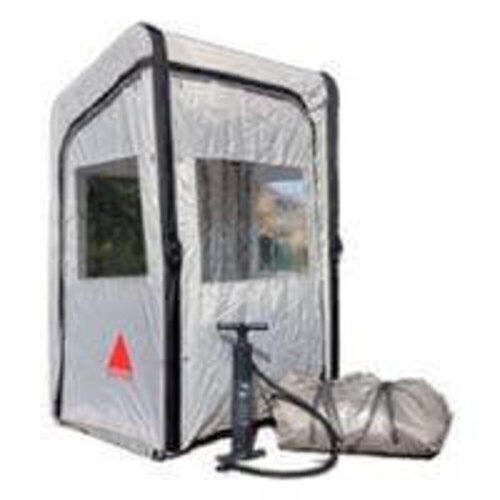
Drycab Inflatable Installation Tent - 1830mm x 1250mm x 900mm, 210 Denier
Inflatable tent for outdoor installations, 1830 x 1250 x 900 mm, 210 denier, fla…
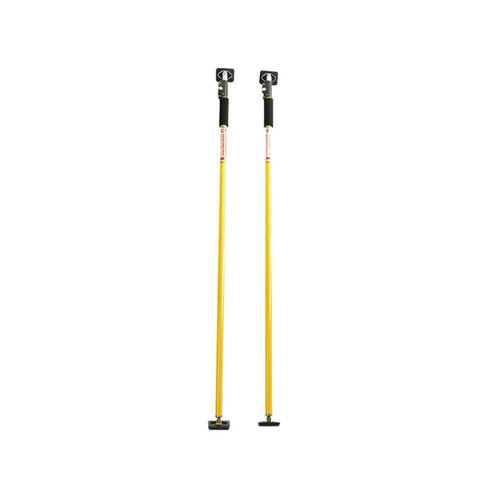
Faithfull Adjustable Support Props - 1.6m to 2.9m 2 Pack
2-pack adjustable support props for ceiling and sheet materials, 1.6m-2.9m
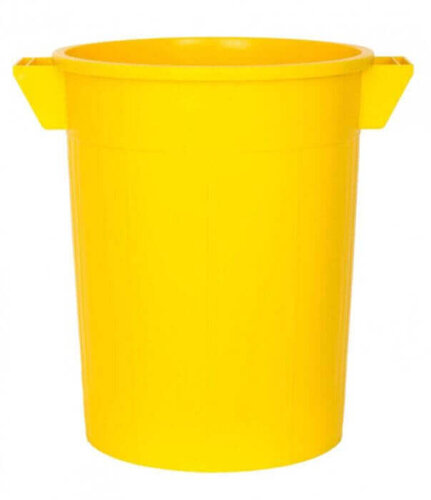
RED Gorilla Plasterers Mixing Bucket - 50L Yellow
50-litre yellow plastic mixing bucket for plastering and waste
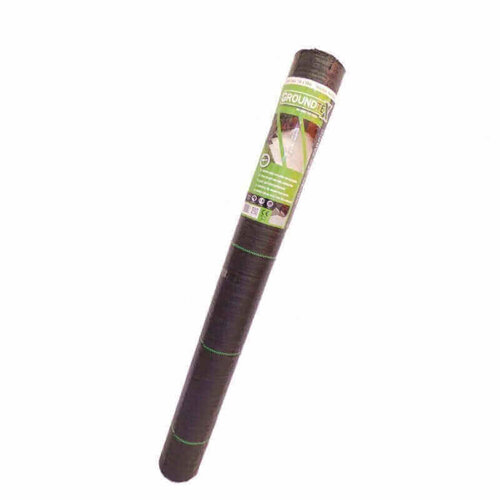
Growtivation Groundtex Woven Geotextile Fabric - 2m x 50m
Growtivation Groundtex Woven Geotextile Fabric
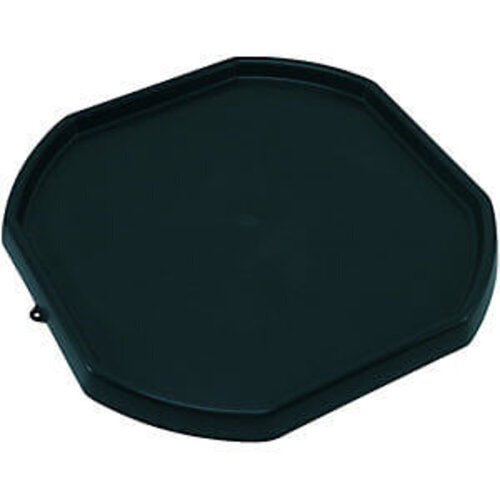
Mixing Tray - 900mm diameter Black
Flexible 900mm black mixing tray for cement, plaster and materials
For the Trade
Start with the space you’ve got and how hard the kit’s going to be worked, because that usually rules out half the options straight away. If access is tight or you’re moving it in and out every day, handling matters more than a fancy finish. If it’s staying on a rougher job, weight, frame strength and wear points matter more than looks. That’s the first check on construction equipment and trade construction equipment - not the badge, not the extras. A lot of returns come from buying for the spec sheet instead of the actual layout and use.
Construction Equipment Options Compared
For most jobs, the first split is between lighter construction tools and equipment for everyday site work, and heavier trade construction equipment when the kit needs to take knocks or stay in service longer. A simpler layout usually suits jobs where you want easier handling and fewer parts to fail. Heavy duty construction equipment is the better call when durability matters more than weight or price.
If you’re buying construction equipment supplies for mixed jobs, watch what gets moved most often. That is usually where the wrong choice shows up first. For the broader Building Supplies range, this is where you decide between general site equipment and something more specialised.
Choosing Materials and Size
Start with how hard the kit will be worked and how much handling matters. For regular trade use, lighter construction equipment is easier to shift and quicker to live with, but you give up some abuse resistance.
When the job is rough, heavier frames and tougher fittings make more sense. They are harder to move and can be awkward where access is tight.
Size matters too. Buy only what you can get through the building and into position. The wrong size is the one that stays in the yard.
If the job also needs Aggregates & Chemicals or Brickworking, sort those with the main order so you’re not splitting the run.
Completing the Setup
Once the main kit’s chosen, the next question is what else needs to be on site to keep the job moving - storage, screens, protection and the bits that stop you wasting time shifting gear around. That’s where construction equipment supplies usually come in. A missing accessory or poor storage choice slows a crew down faster than the machine itself.
If you’re sorting the surrounding build as well, the next buys often sit in building supplies rather than the machine line. Think aggregates and chemicals for prep work, or brickworking items where the job is moving straight into masonry. Keep it tied to the order of work and you won’t end up with kit sitting unused in the van.
Related searches
Local availability for Construction Equipment








