Coving
Coving usually comes down to the profile the job calls for, how much weight you want to handle, and how much time you’ve got to get it up. Plaster coving gives you a firmer, more traditional finish. Polystyrene and other lightweight options are easier to move and quicker to handle on longer runs. If you need a sharper decorative profile, go that way. If you want fitting to stay straightforward and keep the strain down, the lighter boards are usually the better shout.
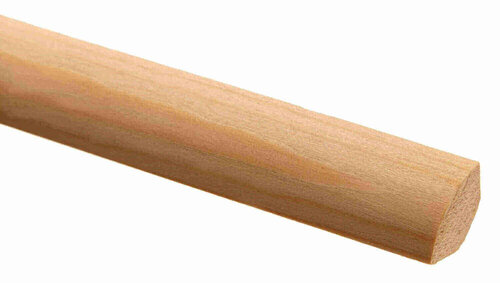
Richard Burbidge Quadrant Pine - 18mm x 18mm x 2400mm
Pale oak quadrant moulding, 18mm x 18mm, 2400mm, planed finish
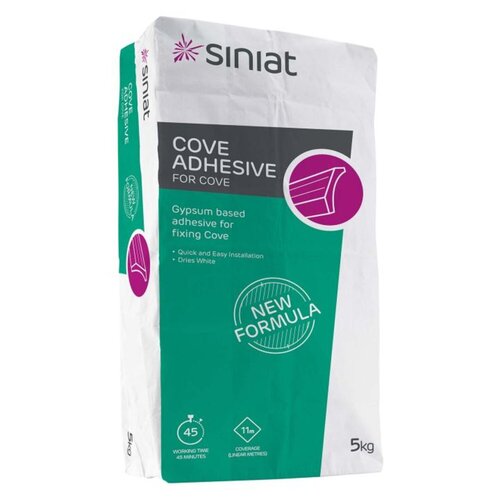
Siniat Cove Adhesive - 5kg White
5kg white gypsum adhesive for fixing cove
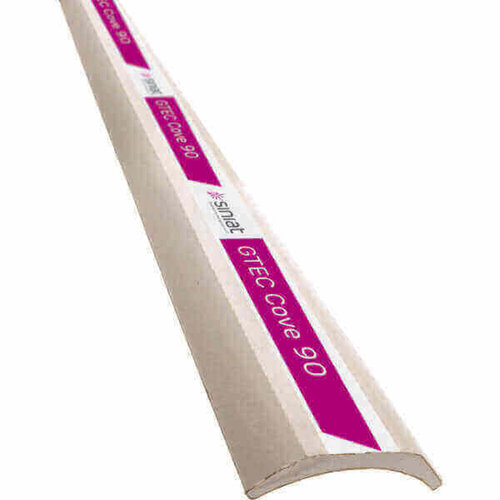
GTEC Coving - 90mm x 3m
GTEC coving 90mm wide x 3m long for ceiling and wall junctions
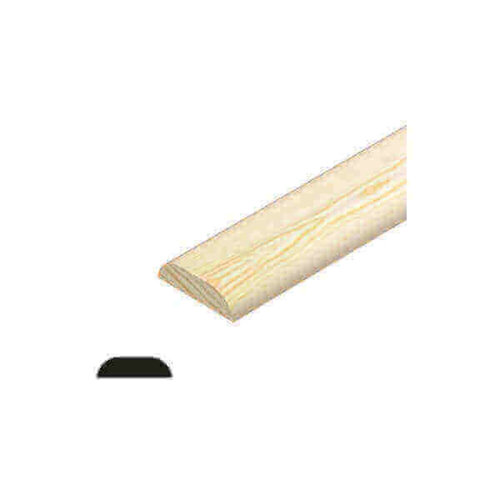
Pine D Mould - 46mm x 6mm x 2400mm
46mm pine D mould for decorative wall, ceiling and furniture use
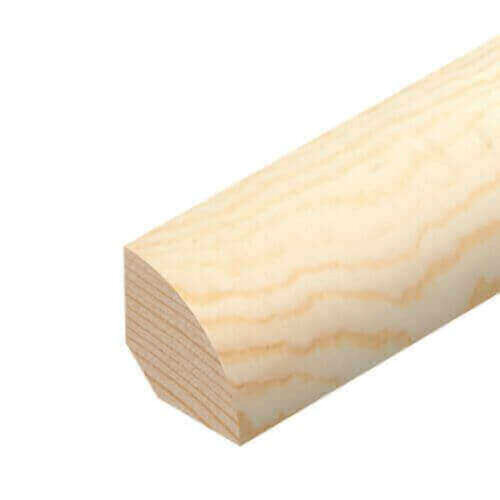
Cheshire Mouldings Quadrant Pine - 15mm x 15mm x 2400mm
Pine quadrant moulding, 15mm x 15mm, 2400mm long, for decorative interior use
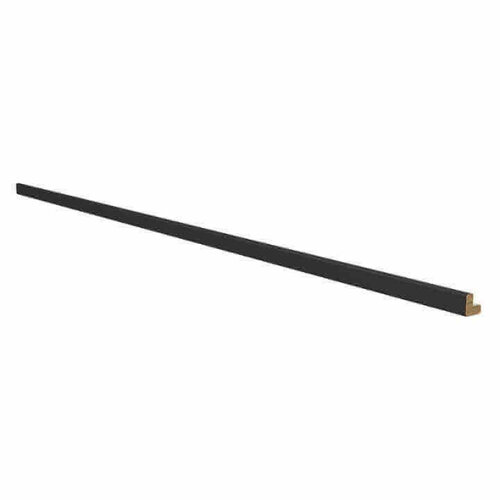
Verona Cornice Pelmet - 2700mm Dark Grey
Verona cornice pelmet in dark grey, 2700mm length.
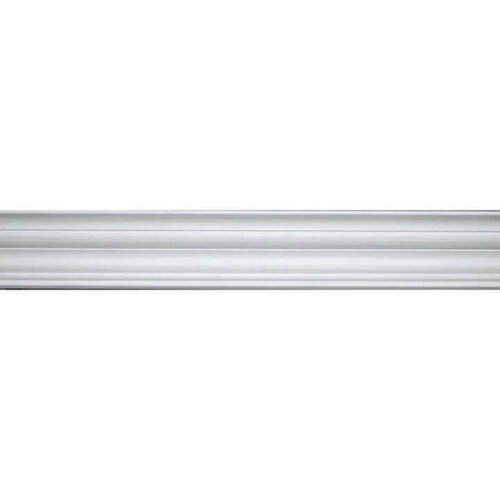
UPVC Plain Cornice Coving - 90mm x 2.9m White
White UPVC plain cornice coving, 90mm x 2.9m.
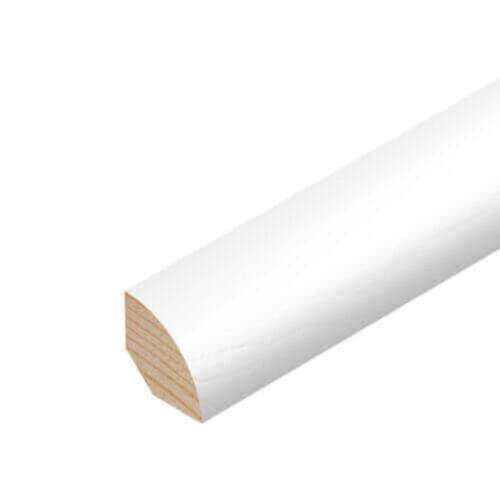
Cheshire Mouldings Quadrant - 15mm x 15mm x 2400mm Primed white
Primed white wood quadrant, 15mm x 15mm, 2400mm length
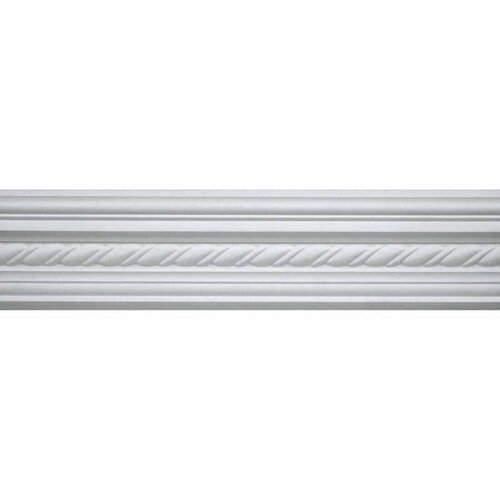
uPVC Rope Cornice Coving - 90mm x 2.9m white
White 90mm x 2.9m rope pattern coving with tough finish
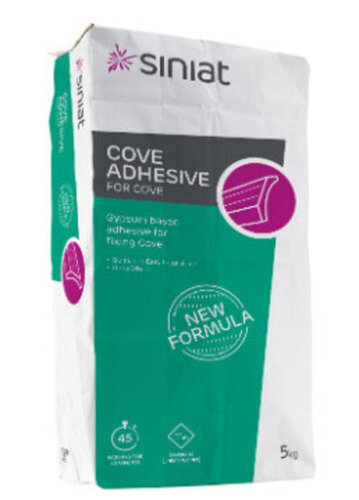
Siniat Cove Adhesive - 5kg
5kg gypsum cove adhesive with 40-minute setting time
For the Trade
Start with the space you’ve got and how the room’s being used, then the profile and weight make more sense. Tight access, long runs, or awkward ceilings usually push you towards lighter coving. Heavier plaster coving still makes sense when the job needs a firmer, more traditional finish and you can handle the extra weight. Decorative coving changes the look, but it also changes the time you’ll spend lining up joints and mitres. The jobs that come back are usually the ones where the profile was picked before the layout was checked.
Popular Coving Formats
Coving strips are the plain option when you want a clean line and less time spent matching pattern. Coving moulding gives you more shape, so it suits jobs where the finish needs to look deliberate, not just tidy.
Decorative coving is the pick when the profile matters, but it asks for more care at the mitres and leaves less room for a rough wall or ceiling. Plaster coving and gypsum coving suit jobs that need a firmer, more traditional result. Polystyrene coving keeps handling easier and usually wins on faster installs. If you’re weighing it against the rest of the Building Supplies range, finish, weight and time on the job tend to decide it.
Key Differences When Choosing
Start with the finish you need to match, then the weight you’re willing to handle. Plaster coving suits jobs that need a firmer edge and a more solid look, but it takes more care on awkward runs and is less forgiving to handle.
Lightweight coving is easier to move and quicker to fit. The trade-off is less of that solid, traditional feel. If the job is tied to other wet-trade work, Aggregates & Chemicals is where the adhesive and fillers usually sit. For detailing around openings, Brickworking is the next counter conversation.
Next Decisions After Choosing
Once the coving’s chosen, the next call is what’s going on around it. A plain ceiling line wants less fuss. A room with panels, screens or built-in storage needs the moulding to sit clean against the other finishes.
If the job runs into adjacent wall finishes or a heavier decorative scheme, the coving needs to sit with the rest of the trim rather than fight it. The call that saves time is the one that matches what you’re already fixing to, because a mismatch shows up straight away once the paint goes on.
Related searches
Local availability for Coving









