Damp Proofing
Damp proofing starts with what you’re treating - a wall, a floor, or a localised rising damp job - because that decides whether you need a membrane, a cream, or a course replacement. Membranes suit jobs that need a physical barrier and a clean spec. Damp proof cream is often the quicker call for remedial masonry work, but it depends on the substrate. If the wall is poor or the detail is awkward, a different format may be the better fit.
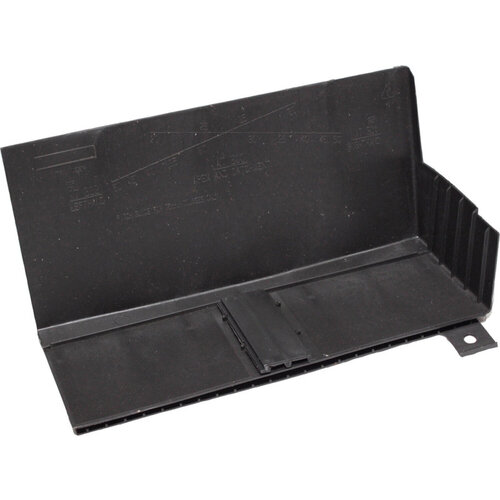
Unleaded Intermediate Cavity Tray - Left Hand
Unleaded left-hand intermediate cavity tray with 140mm up-stand
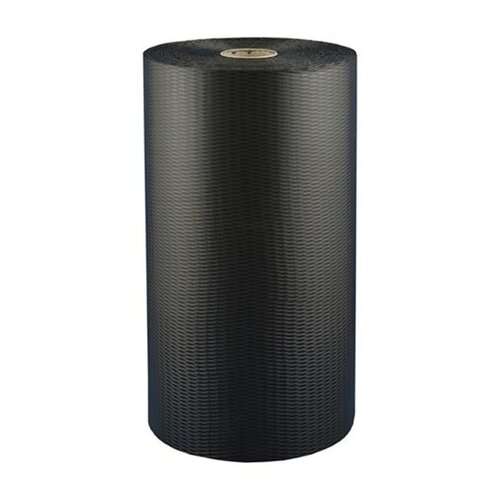
Damp Proof Course Polythene Membrane Roll For Brickwork - 225mm x 30m
225mm x 30m black DPM roll for brickwork, prevents rising damp in wall construct…
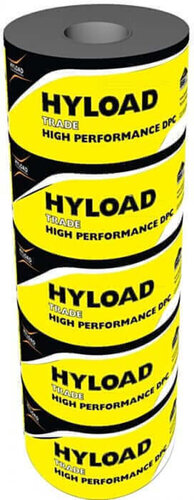
Iko Hyload Trade High Performance DPC - 450mm x 20m
450 millimetres x 20 metres thermoplastic DPC with BBA certification, low gas pe…
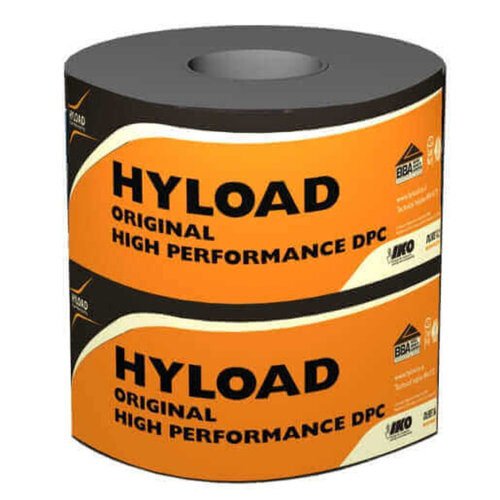
IKO Hyload Original - 225mm x 20m
Polymeric DPC sheeting, 225mm x 20m, suitable for cavity trays and solid walls.
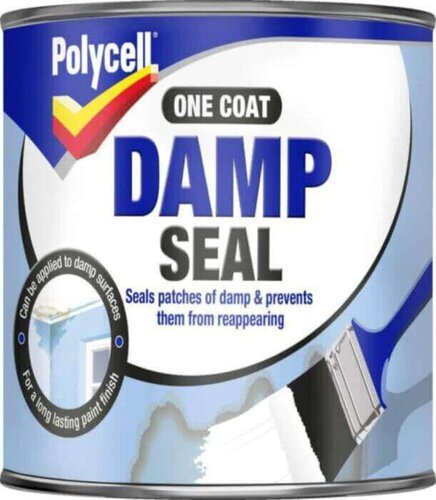
Polycell One Coat Damp Seal - 1L
1L one-coat damp seal for interior walls and ceilings
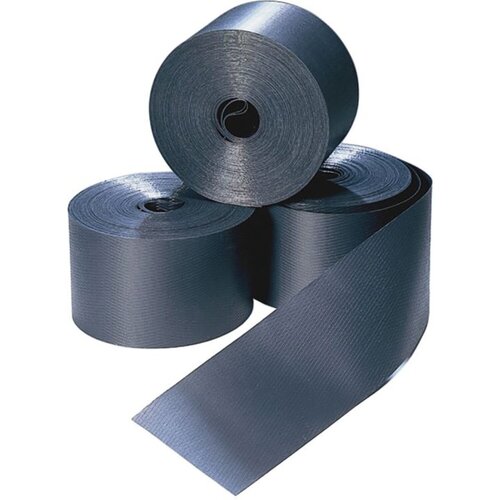
Ndc DPC - 30m x 225mm
Black recycled polythene DPC roll, 30m x 225mm, embossed for mortar adhesion
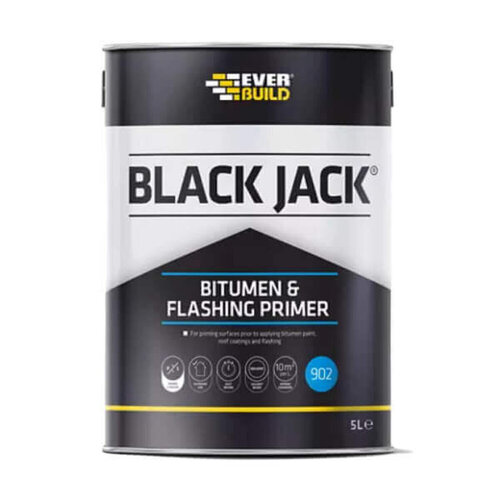
Black Jack Bitumen & Flashing Primer - 5L
5L black bitumen primer for keying surfaces before bitumen paint, roof coatings,…
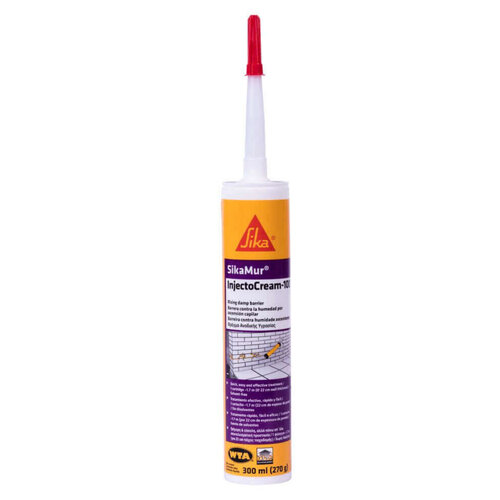
Sika Sikamur Injectocream-100
Injectable damp proofing cream for professional and DIY use
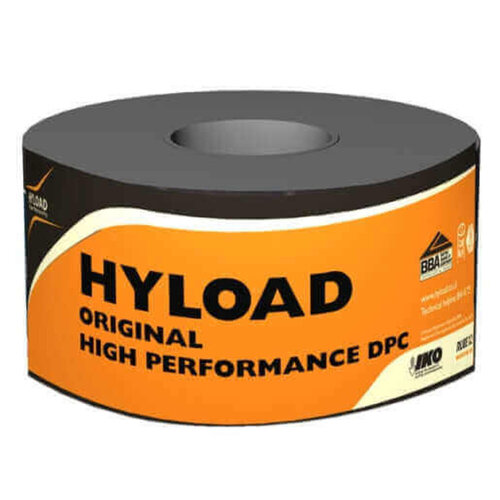
Akor Building Products Ruberoid Hyload Original DPC - 150mm x 20m
Ruberoid Hyload Original DPC 150mm x 20m roll
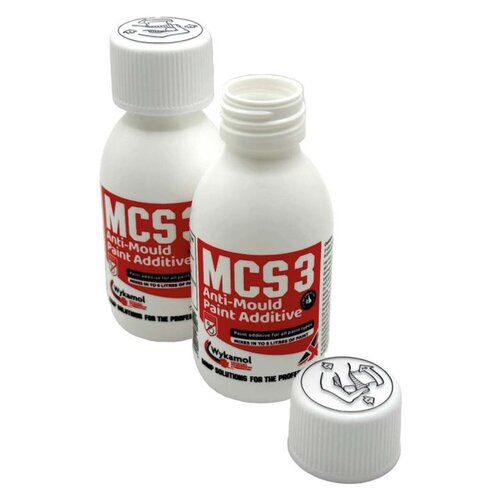
Wykamol MCS3 Fungicidal Additive - 100ml
Fungicidal additive for paint, wallpaper paste and grouts to prevent mould growt…
For the Trade
Start with the space you’ve got and how the job’s going to be used, then the product choice usually falls into place. Tight detail or a limited cavity often points you towards a damp proof cream or damp proof injection cream. A damp proof membrane or dpm membrane makes more sense where you need a continuous barrier across a larger area. A damp proof course is the one you reach for when the spec calls for that format rather than a surface treatment. The mistake I see is lads picking on finish first, then finding the layout has made the install awkward.
Damp Proofing Types and Layouts
For damp proofing, the first split is usually between a membrane, a course, or a chemical treatment. A damp proof membrane or dpm membrane suits bigger areas where you want a continuous barrier, but you need the build-up and the handling space for it.
A damp proof course is the right call where the spec calls for that format. Damp proof cream or damp proof injection cream works on existing masonry when you don’t want to open everything out. Cream is quicker to place, but it gives you less room for error if the substrate is poor or the line isn’t consistent.
If you’re buying the rest of the job in one go, Building Supplies keeps the wider kit in the same place.
What to Check Before You Buy
What you buy usually comes down to where the barrier needs to sit and how much of the structure you’re trying to protect. A damp proof membrane or dpm membrane suits jobs that need a continuous sheet. Damp proof cream or damp proof injection cream is the usual call when you’re dealing with existing masonry and can’t strip everything back.
If the spec calls for a damp proof course, check the format before you order. That’s where jobs get held up.
When the work runs into adjacent brickwork, Brickworking often comes into the decision too. If the issue is tied up with cold bridging or lining work, Insulation may need sorting at the same time.
Useful Alongside Damp Proofing
Once you’ve picked the damp proofing product, the next call is what goes back over it. On many remedial jobs, that means boards, plaster, or a lining system. The choice usually comes down to how much needs covering and how much drying time you’ve got.
If the wall is being rebuilt locally, brickworking materials come into it. If you need to hold heat in after the treatment, insulation is often specified alongside it. The awkward jobs are the ones where the finish is left until last and the damp proofing detail has already been buried.
Related searches
Local availability for Damp Proofing












