Lintels
When you’re picking lintels, start with the opening, the wall build-up and the load above it. That narrows the choice faster than brand or finish. Steel lintels are often used where you want a slimmer section and a lighter lift. Concrete lintels suit straightforward masonry work and are often the economical call on ordinary openings. Cavity lintels, solid wall lintels and replacement lintels each cover a different job, so getting the format right saves delays and returns.
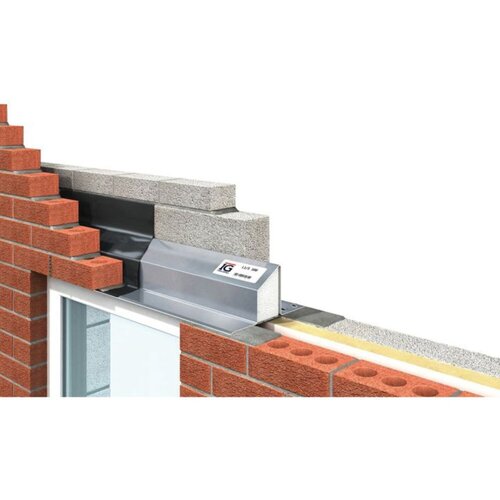
IG L1/S50 Standard Cavity Lintel - 1200mm
Galvanised steel L1/S50 cavity lintel for 50-70mm cavity widths, 1200mm
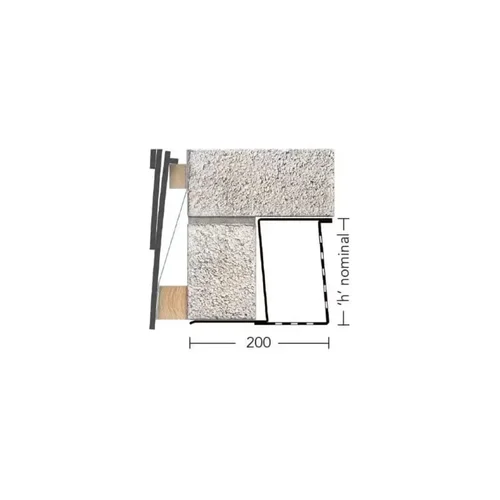
Keystone Lintels Box/K-200 - 1050mm
1050mm box lintel supports wet masonry; perforated for plaster key
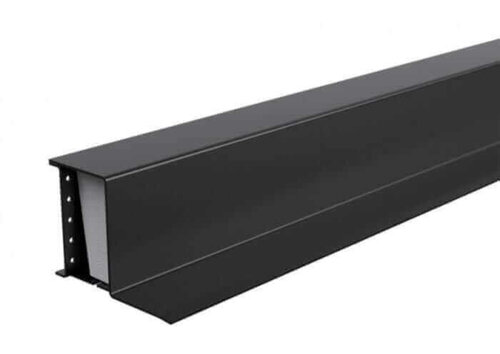
Catnic Classic Box Lintel Standard Duty - 1800mm
1800mm galvanised steel box lintel for solid/block walls
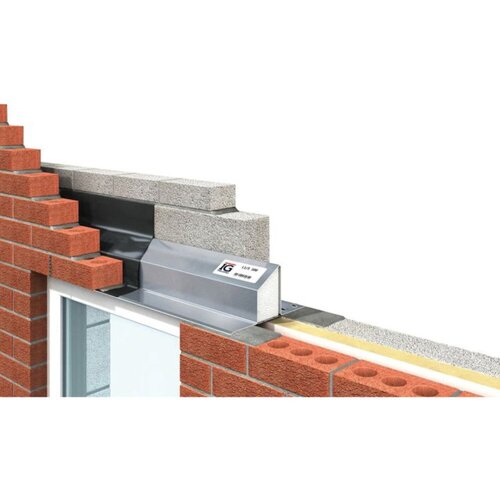
IG L1/S100 Standard Cavity Lintel - 3000mm
Galvanised steel L1/S100 cavity lintel for 95-110mm cavity widths, 3000mm
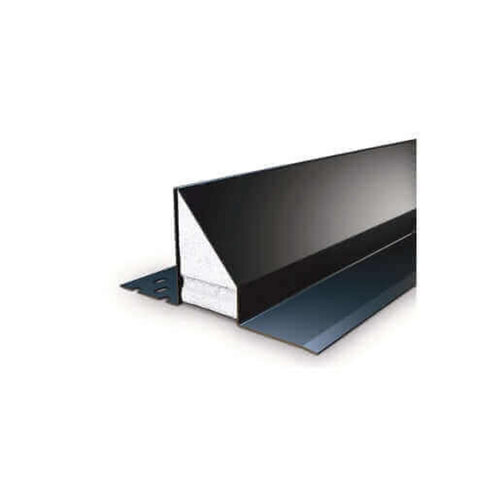
Catnic Cougar Open Back Cavity Wall Standard Duty Lintel - 1350mm Black
1350mm black open back cavity wall lintel with built-in DPC and insulation
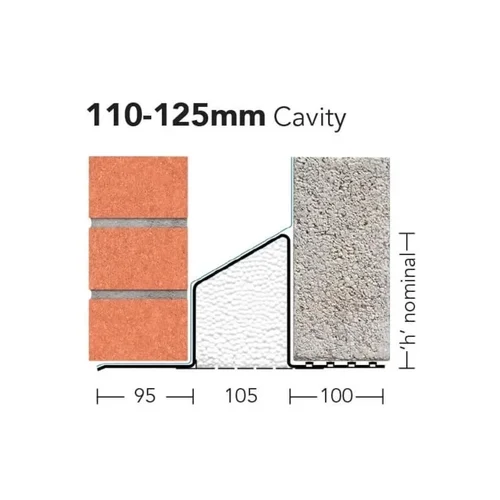
Keystone Lintels S/K-110 - 1200mm
1200mm lintel for cavity walls 110-125mm wide
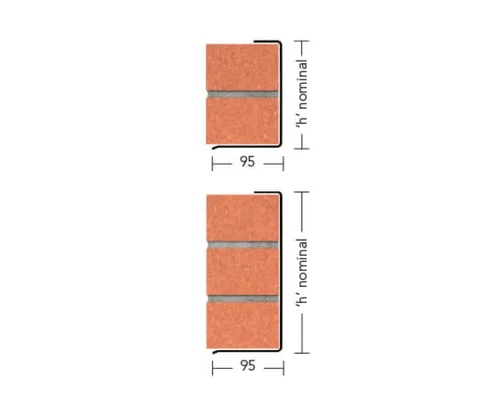
Keystone Lintels SL/K - 1500mm
1500mm SL/K lintel for supporting outer leaf of cavity walls
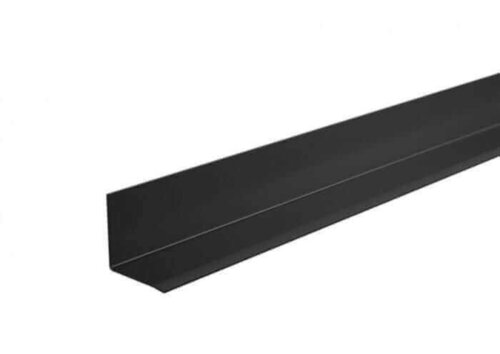
Catnic Angle Lintel Standard Duty - 1200mm
1200mm galvanised steel angle lintel for standard duty solid walls
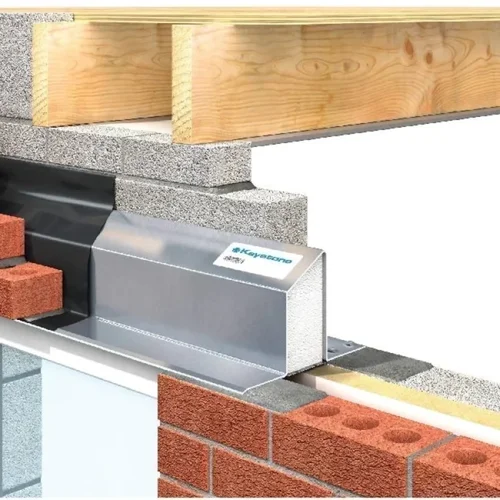
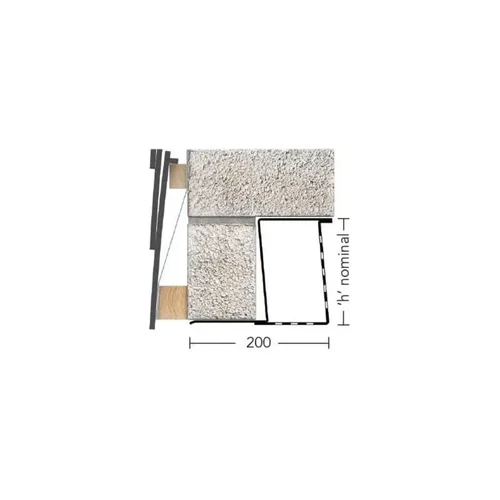
Keystone HD/K-90 Lintel - 2100mm
Lintel for blockwork walls, 2100mm long, suitable for cavity widths 90-105mm
For the Trade
The first question is what the opening is carrying and how much room you’ve got to work with. That usually decides the lintel before anything else. For a straightforward job, concrete lintels are often the economical call. Steel lintels come into play where span, load, or build-up needs a slimmer section. Cavity lintels and solid wall lintels are not interchangeable. Replacement lintels matter on remedial work, where you’re matching what’s already there. The jobs that go wrong are usually the ones where the opening was measured right, but the wall type was guessed.
Types of Lintels
If you’re sorting lintels for a job, the main split is between cavity lintels, solid wall lintels and heavier load bearing options.
Cavity lintels suit the usual two-leaf build because they keep the support where it needs to be. Solid wall lintels are the better fit for a single leaf or an older wall build-up.
Load bearing lintels come in when the opening is carrying more above it. You give up some simplicity, and you’ll usually check the spec more closely.
Building Supplies is the parent range if you’re matching the lintel to the rest of the job.
Selection Factors for Lintels
Material choice usually settles the argument faster than anything else. Steel lintels are the one to reach for when you want a firmer face and more confidence on tougher daily use. The trade-off is handling. They’re heavier to move than acrylic on many sites.
Concrete lintels are the quieter pick when weight and cost matter more than a harder finish. They work well where the opening does not need the same level of impact resistance, but they are not the answer for every job.
If you’re picking up matching materials at the same time, Aggregates & Chemicals and Brickworking are usually the next counters to check, especially when the opening detail or surrounding work is changing the spec.
Finish the Room
Once the lintels are chosen, the next call is usually what’s going around them. If the opening is being rebuilt, you’ll often need brickworking to match the surrounding course work, and aggregates & chemicals for the mortar and any bedding or repair work that follows.
Where the job is a replacement, check the adjacent finish before you leave. A clean lintel change still gets judged on the reveal and the patching around it. That’s the bit that usually decides whether the job looks finished or just covered up.
Related searches
Local availability for Lintels





