Stair Hand Rail Kits
stair hand rail kits usually come down to three things: the stair run, the finish you need, and how much of the fixing you want bundled together. Timber kits are the usual call where you want a warmer look and easier site adjustment, while metal options suit a cleaner line and tend to stay truer over longer runs. If access is tight, check the lengths before you commit. The wrong format leaves you cutting and joining more than you planned.
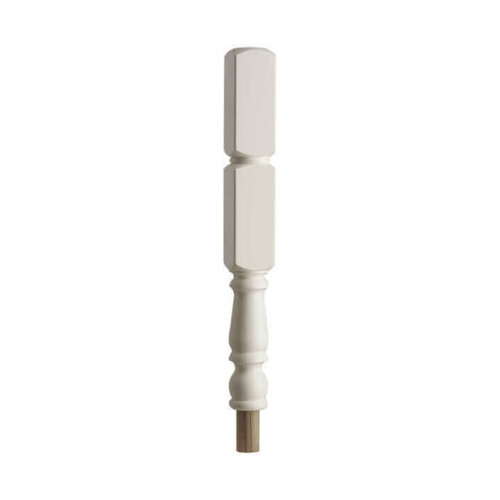
Stair Double Head Newel Turning - 91mm x 430mm x 820mm White Primed
White primed double head newel turning, 91x430x820mm
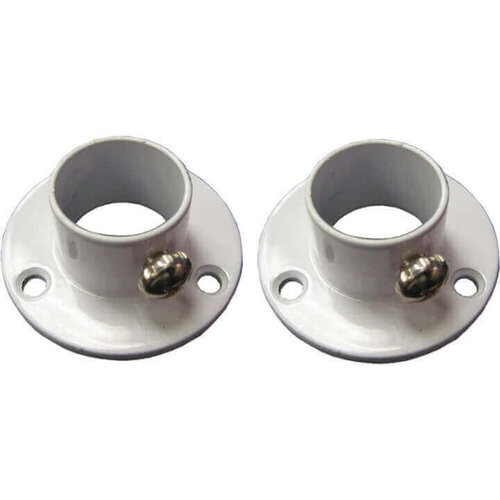
Colorail Super Deluxe Socket - 25mm White 2 Pack
White 25mm handrail connection socket, pack of 2
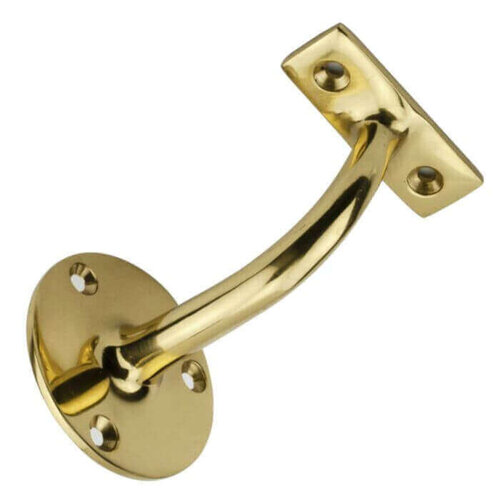
Eclipse Handrail Bracket - 76mm Polished Brass
Polished brass handrail bracket, 76mm projection, face fixing
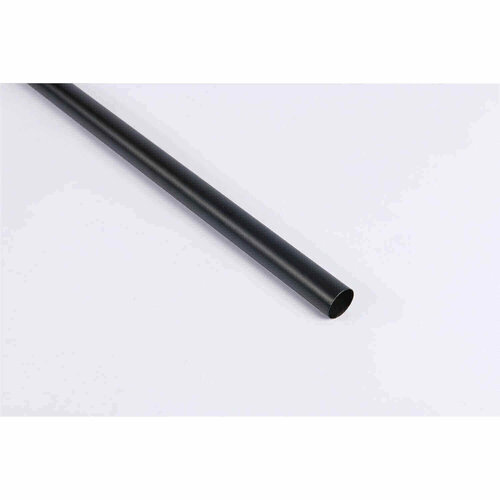
Rothley Tube - 2.4m Black
25mm matt black universal rail, 2.4m, for wardrobes, curtains and more
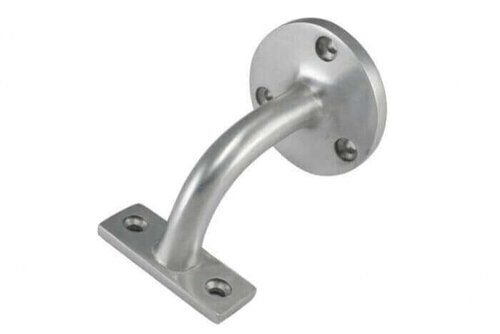
Eclipse Handrail Bracket - 63mm Satin Aluminium
63mm satin anodised aluminium handrail bracket, heavy duty, face fixing
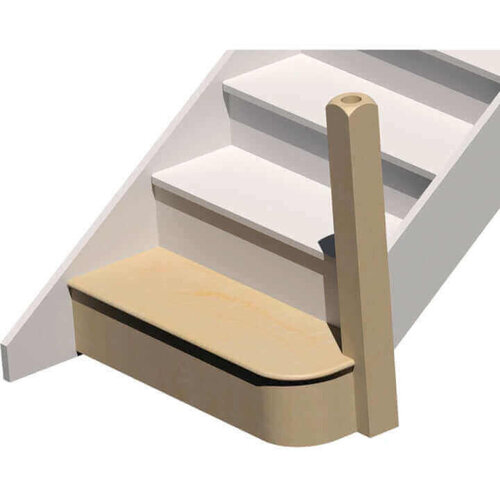
Kwikstairs Bullnose Kit - Up to 900mm width
Bullnose kit for widths up to 900mm
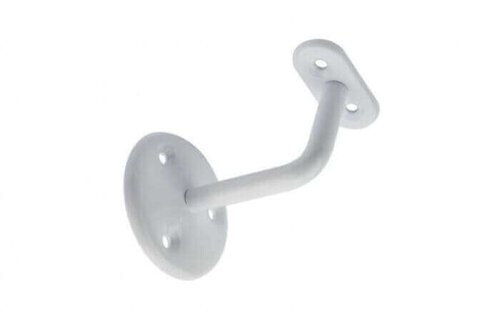
Eclipse Handrail Bracket - 64mm White
White steel handrail bracket, 64mm, with fixing screws.
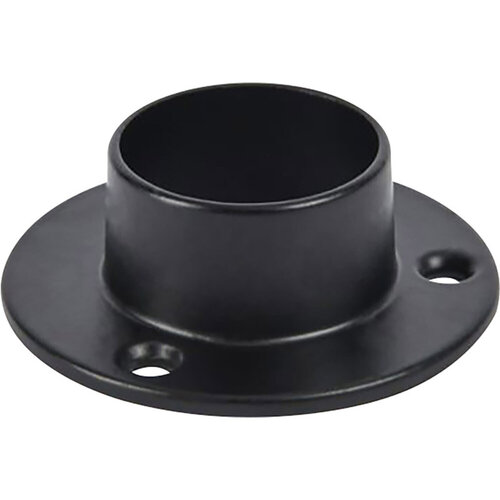
Rothley Black Powder Coated Tube - End Socket
Matt black end bracket for 25mm rail, includes fixing pack
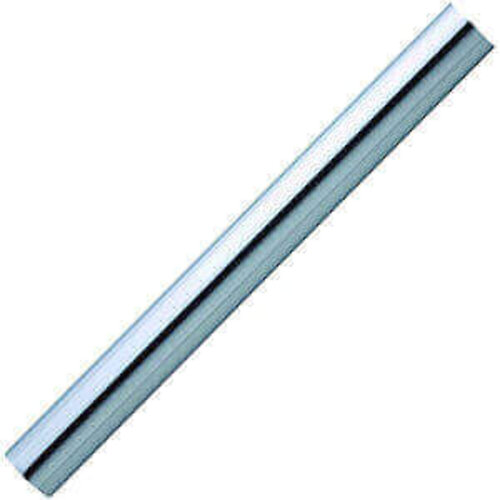
Handrail - 40mm x 1.8m Polished Chrome
Contemporary steel handrail with polished chrome finish, 1.8m length
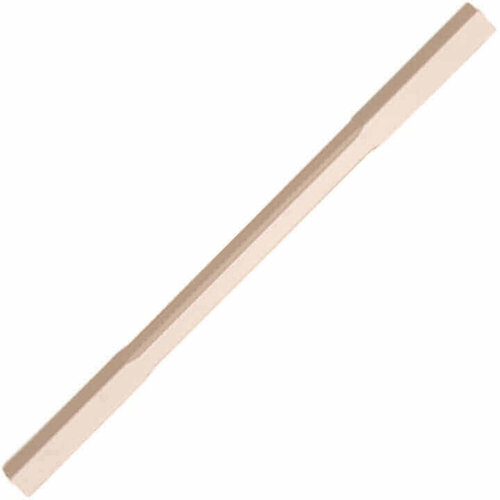
Stair Spindle Stop Chamfered White Primed FSC - 41mm x 895mm
Stop chamfered stair spindle, 41mm x 895mm, white primed, FSC.
For the Trade
Start with the space you’ve got and how the rail will be used, then the rest falls into place. On a tight run, projection and bracket position cause more trouble than the finish ever will, and that’s where stair hand rail kits earn their keep. For a straightforward domestic job, you’re usually weighing how much wall fixing you want against how much of the stair line needs support. Once that’s clear, finish and accessories matter. Get the layout wrong, and you’ll be back to it.
Stair Hand Rail Kit Options Compared
If you’re choosing between stair hand rail kits, start with how much of the run you want to cover in one go. A full stair handrail suits a straight or simple run where you want one continuous line and fewer joins to deal with.
Shorter stair rail kits are easier to handle where access is tight or the stair needs breaking down. They give you more control on site, but you’ll spend longer joining sections and lining everything through.
The trade-off is simple. Longer lengths cut down interruptions, but they’re less forgiving to move and fix neatly. In Building Supplies, you’ll usually narrow it down by how much cutting and matching you want to take on, because the wrong format leaves you with extra joints and more time on the job.
Choosing Materials and Size
Start with where the stair hand rail kit is fixing and how much run you need to cover. Timber works where you want it to sit with existing joinery. Metal is the better call when the rail will take more wear or you need a slimmer profile.
Longer lengths reduce joints, but only if you can get them in without damage. On awkward access, a shorter stair handrail is often the safer buy. If the job also needs making good, you may be picking up Aggregates & Chemicals or Brickworking at the same time.
Completing the Setup
Once the stair hand rail kits are chosen, the next call is usually the surrounding finish. If the run stops into a wall or landing, sort the matching wall finish and fixings at the same time. Any exposed edge wants a clean termination, not a bodge on site.
Where the stairs sit alongside a new partition or storage build, line up the adjacent trim and board work before you close it up. That is the bit that saves the return visit. The rail is only half the job if the surrounding surfaces are still changing.
Related searches
Local availability for Stair Hand Rail Kits









